
Trees
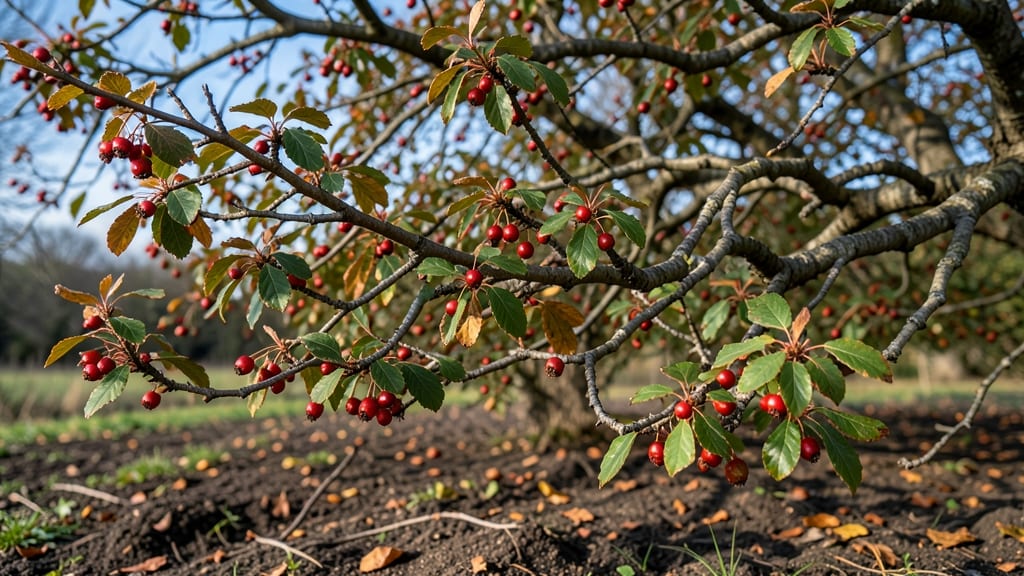
A tree bearing oblong yellow-green fruit that fits crossword clues is most likely a pear tree, recognizable by its elongated shape and characteristic color when unripe. While quince and citron are occasional alternatives, pears dominate these puzzles due to their iconic fruit shape and color.
A pear tree stands out in crossword clues because its fruit matches the classic oblong shape and yellow-green hue described in puzzles. 🍐 Unlike round fruits, pears' distinctive elongated form makes them a natural fit for wordplay about "fruit trees" or "garden plants."
The unripe color—often described as yellow-green—appears frequently in clues, while quince (more oval) and citron (thicker, more citrus-like) are less common answers. For solvers, focusing on the fruit's shape and color is key to spotting the right tree.
What makes pears so popular in crosswords is their cultural recognition—they're one of the first fruit trees many people picture when they hear "fruit-bearing tree." The oblong shape isn't just a visual clue; it's also how pears grow on the tree, hanging in clusters that further match common crossword descriptions.
If you're solving a puzzle and see "tree with oblong fruit," think pear first—it's the safest bet!
💡 In This Article
- Botanical Features of Pear Trees and Their Fruit
- Identifying Common Trees with Oblong Green Fruit for Crosswords
Botanical features of pear trees and their fruit
The oblong shape of pear fruit isn't random—it's a result of how pears grow from the tree's blossoms. Botanically, pears develop from flowers with five petals, and their elongated form comes from the fruit's rapid growth during the first 6-8 weeks after pollination.
This growth pattern creates the classic tapered shape, with the widest point near the stem and narrowing toward the tip. 🌱 The yellow-green hue when unripe comes from chlorophyll (the green pigment) mixed with carotenoids (yellow pigments) that emerge as the fruit matures.
Pears also have a unique ripening process that sets them apart. Unlike apples, which ripen on the tree, pears often reach full flavor and texture after being harvested. This is why you'll see clues mentioning "tree with oblong fruit" that's still green—it's describing the unripe state.
The skin's waxy coating (cutin) helps trap moisture and gives pears their characteristic sheen, another visual clue crossword solvers might pick up on. 🍃 Quince fruit, while similar in shape, tends to be more oval and develops a golden hue when ripe, while citron (a type of citrus) has a thicker, more rounded oblong shape with a bumpy rind.
What makes pears the most common crossword answer is their cultural ubiquity. Most pear varieties—like Bartlett, Anjou, or Bosc—share this oblong profile, making them instantly recognizable.
The fruit's size (typically 2-4 inches long when unripe) and the way it hangs in clusters from the tree further match common crossword descriptions. 🌟 In contrast, quince fruit is usually smaller (1.5-2.5 inches) and more rounded, while citron can grow much larger (up to 6 inches) but lacks the classic pear's tapered elegance.
The ripening process also plays into crossword clues. Pears often turn from yellow-green to golden-brown as they ripen, a color shift that's easy to describe in puzzles. This gradual change makes them a flexible answer—whether the clue refers to the unripe or ripe state.
The tree itself has compound leaves with serrated edges, another detail that might appear in more complex crossword clues. 🔍 These botanical specifics are why pear trees dominate fruit-related puzzles—they check all the visual and descriptive boxes.
Consider this comparison of key features:
- Pear: Elongated, tapered, yellow-green when unripe, 2-4 inches, hangs in clusters
- Quince: Oval, more rounded, golden when ripe, 1.5-2.5 inches, solitary or paired
- Citron: Thick, bumpy, green/yellow, up to 6 inches, citrus family
For crossword solvers, focusing on the fruit's shape and color is the fastest way to identify pears. The oblong form is so distinctive that it rarely appears in other fruit trees, making pears the safest bet for these clues. 💡