
Trees
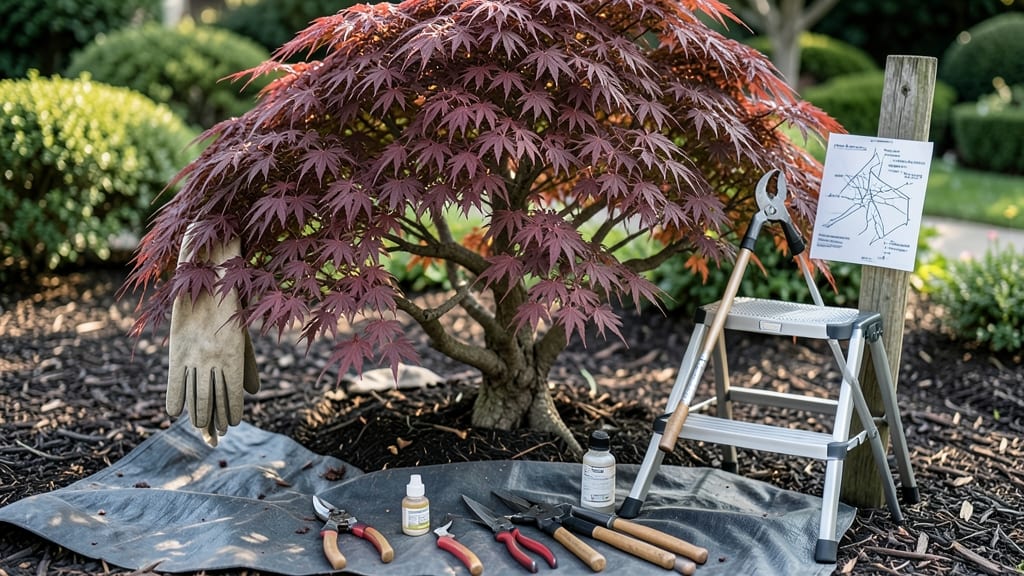
Transforming your trees into architectural forms with tree shaping ideas adds elegance and function to any backyard, turning them into living art 🌳 that defines your space.
Picture this: a neatly pruned topiary framing your patio or an espaliered tree climbing a trellis, saving floor space while adding vertical interest. These tree shaping ideas aren’t just for pros—with the right tools and timing, anyone can sculpt their trees into stunning designs.
Whether you’re working with a small urban yard or a sprawling garden, the right shape can highlight your home’s best features while creating privacy or shade where you need it most.
Below, I’ll walk you through 10 standout styles, from classic topiary to modern minimalist forms, along with pruning tips, tool recommendations, and how to maintain your tree’s new look for years to come.
10 Architectural tree shaping styles for small backyards
Small backyards deserve just as much drama as sprawling estates—it’s all about creative tree shaping ideas that maximize visual impact in limited space. Whether you’re working with a dwarf variety or training a young sapling, these architectural styles transform trees into living art installations.
The key is selecting shapes that complement your yard’s layout while requiring minimal maintenance. I’ve curated 10 styles that balance elegance and practicality, from classic topiary to bold modern silhouettes, all designed to thrive in tight quarters.
Before diving in, remember that pruning techniques vary by style. Some, like espalier, demand precision, while others, such as pollard pruning, create dramatic height with minimal lateral growth.
Start with fast-growing species like crape myrtle or ornamental cherry for quicker results, or opt for slow-growing evergreens like boxwood or holm oak for long-term structure.
Your choice depends on your patience level and seasonal color preferences—evergreens offer year-round interest, while deciduous trees provide stunning fall foliage or spring blooms.
summary-table
Let’s start with topiary, the quintessential tree shaping style that turns trees into living sculptures. This technique works best with boxwood, yew, or privet, which respond well to shearing.
For small backyards, opt for miniature topiary—think spiral columns or tiny spheres—to add whimsy without overwhelming your space. Use concave cuts (curving inward) to encourage bushier growth, and always prune just above a leaf node to avoid unsightly stubs.
My go-to tool for topiary is a pair of sharp bypass pruners—dull blades tear tissue, slowing recovery.
If vertical space is your priority, espalier is a game-changer. This **French-inspired
How to choose the right tree shape for your backyard’s layout
Selecting the perfect tree shape for your backyard isn’t just about aesthetics—it’s about maximizing your space while ensuring long-term health. Sunlight exposure, available space, and your design goals all play critical roles.
For example, a small patio might suit a dwarf Japanese maple with its delicate, slow-spreading branches, while a sunny border could showcase a fast-growing willow with its dramatic, weeping form.
Start by assessing your yard’s light conditions. Trees like ornamental cherries thrive in full sun and develop stunning shapes when exposed to 6+ hours of direct light daily. In contrast, shade-tolerant varieties such as dogwoods or serviceberries can add elegance to darker corners.
Matching your tree’s light needs to your yard’s microclimates ensures vibrant foliage and optimal growth.
Next, consider your space constraints. A narrow urban yard benefits from columnar trees like European hornbeams, which grow vertically without sprawling. For small backyards, espaliered fruit trees or bonsai-inspired designs create vertical interest without sacrificing floor space.
Always measure your area and choose a mature size that won’t overwhelm it.
Tree Shaping Ideas
- Topiary: Creates structured, formal designs
- Weeping Styles: Adds drama with cascading branches
- Espalier: Saves space with flat, wall-mounted growth
- Bonsai: Miniaturized, artistic forms for containers
- Standard Trees: Single-trunk elegance for focal points
- Topiary: Requires frequent pruning (3-4x/year)
- Weeping Styles: Needs strong support for heavy branches
- Espalier: Limited to certain fruit/nutrient trees
- Bonsai: Demands expert care and patience
- Standard Trees: Slow growth to achieve ideal shape
Don’t overlook seasonal considerations. Deciduous trees like redbuds offer spring blooms and fall color, while evergreens such as arborvitae provide year-round structure. If you love winter interest, consider ornamental grasses or broadleaf evergreens like holly to maintain visual appeal when other plants sleep.
For fast results, opt for quick-growing varieties like silver maples or hybrid poplars, which can reach 10+ feet in 3-5 years. If you prefer slow, controlled growth, dwarf varieties such as Japanese black pines or crape myrtles deliver refined shapes over decades.
Always check the growth rate label before purchasing to align with your timeline.
Finally, align your tree shape with your long-term vision. Will you host outdoor gatherings? A shade tree like sugar maple creates a cozy canopy. Planning a private garden nook?
A tall, narrow tree such as columnar cedar adds vertical privacy without blocking views. Sketch your yard’s layout and test different shapes using garden design apps before committing.