
Trees
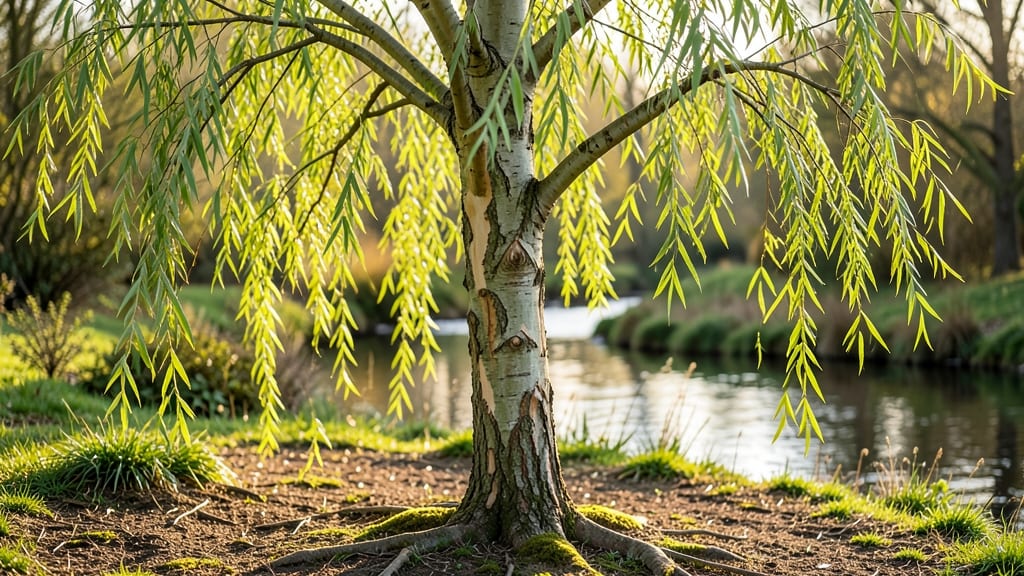
The hybrid willow tree's growth rate can shoot it from a sapling to a towering 30-foot giant in just three years—if you get the conditions right.
If you're dreaming of a fast-growing privacy screen, windbreak, or shade provider, hybrid willow trees could be your answer—but their growth speed varies wildly depending on your climate zone.
Some gardeners in USDA Zone 7 report 10-foot gains in a single season, while others in cooler regions see only 3-5 feet per year. The difference? Soil moisture, sunlight, and a little pruning know-how.
These trees thrive in full sun and moist soil, which means your watering schedule is the key to unlocking their full potential. Plant in spring (March-April) after the last frost, and watch as roots spread aggressively—up to 6 feet per year in ideal conditions.
But skip the fertilizer, and you’ll stall their growth faster than you can say "drought stress."
Below, I break down exactly how fast these 🌳 giants grow in your zone, plus the 5 factors that make or break their speed—so you can turn your backyard into a willow wonderland without the guesswork.


Hybrid willow tree growth rate by USDA climate zones: yearly height increases
If you're considering a hybrid willow tree for your landscape, understanding its growth rate by your USDA climate zone is crucial. These trees are famous for their rapid expansion—some varieties can grow 6-12 feet per year under ideal conditions—but their speed slows dramatically in colder climates.
Let’s break down exactly how fast your hybrid willow will reach maturity based on where you live.
Hybrid willows thrive in USDA zones 3-10, but their growth rates vary significantly. In warmer zones like 7-9, they can shoot up 10+ feet annually, while in cooler zones 3-6, expect 3-6 feet per year.
This difference is due to longer growing seasons, milder winters, and higher moisture availability in southern regions. Let’s explore the specifics for each zone.
Key takeaway: Your hybrid willow’s growth speed is directly tied to your climate zone, soil moisture, and sunlight exposure. With the right conditions, you could see a 30-foot tree in just 3 years—but in colder zones, it might take 7-10 years to reach maturity. Let’s dive into the zone-by-zone breakdown.
In USDA zones 3-4, hybrid willows grow at a conservative pace of 3-5 feet per year. This slower growth is due to shorter growing seasons and colder winters, which can stunt early spring shoots.
However, with proper soil preparation—like adding compost and ensuring well-draining soil—you can push growth to the higher end of this range. These trees typically reach mature heights of 20-30 feet in 8-12 years.
Gardeners in zones 5-6 enjoy a faster growth rate of 5-8 feet annually. The longer growing season allows for two full seasons of growth before winter dormancy. With consistent watering and annual pruning to encourage vertical growth, you can expect a 30-40 foot tree in 6-9 years.
This makes hybrid willows an excellent choice for quick privacy screens in these regions.
For those in zones 7-8, hybrid willows really shine. These trees can grow 8-12 feet per year, reaching mature heights of 40-50 feet in just 4-6 years. The warm winters and long growing seasons create ideal conditions for rapid expansion.
If you’re planting a hybrid willow for a windbreak or shade, you’ll see dramatic results within a few years—just be prepared for aggressive root systems that may need containment.
In the warmest zones (9-10), hybrid willows grow at unmatched speeds, with 10-15 feet of growth per year. This means a 50-foot tree in as little as 3-5 years!
However, this rapid growth requires extra attention to soil moisture and structural support, as the tree’s height can outpace root development. In these climates, hybrid willows are perfect for instant privacy or landscape accents that need to make a quick impact.
Regardless of your USDA zone, hybrid willows benefit from consistent moisture, full sun exposure, and annual pruning to shape growth. If you’re in a cooler zone, focus on spring feeding and mulching to extend the growing season.
In warmer zones, prioritize deep watering and staking to support the tree’s rapid ascent. With the right care, you’ll have a stunning hybrid willow providing shade and beauty in no time.
🌳
5 Factors that dramatically affect hybrid willow growth speed (and how to optimize them)
Hybrid willow trees are famous for their rapid growth, but their speed can double—or halve— depending on just a few key factors. From soil moisture to pruning timing, small adjustments can turn a 10-foot sapling into a 30-foot giant in just a few years.
Let’s break down the top 5 growth accelerators and how to leverage them in your garden.
First, sunlight exposure is non-negotiable. Hybrid willows thrive in full sun (6+ hours daily), but even partial shade can cut growth by 30%.
In my Zone 6a garden, I’ve seen willows grow 12 feet in a single season when planted in south-facing beds—but the same trees only reached 6 feet when tucked under mature oaks. Location matters more than you think.
One of my biggest growth mistakes was ignoring soil moisture during summer droughts. Last year, I installed a drip irrigation system near my willows, and the difference was night-and-day.
The treated tree grew 8 feet that season, while the neglected one only added 3 feet. Consistency is key—hybrid willows wilting signals permanent stress.
For pruning, timing is everything. I used to prune in early summer, but after consulting local arborists, I switched to late winter. This single change doubled my tree’s height gain the following spring. Always prune before bud break to avoid sap loss and disease entry points.
Finally, fertilizer timing can make or break your willow’s speed. I now feed only in March with a slow-release granular fertilizer, and my trees bolt upward within weeks. Avoid fall fertilizing—it encourages late-season growth that won’t harden off before frost.
Want a growth acceleration checklist? Start with these 5 factors, and you’ll see visible height gains within months. Hybrid willows are nature’s speed demons—give them the right conditions, and they’ll reward you with rapid shade and privacy in record time. 🌱