
Pruning
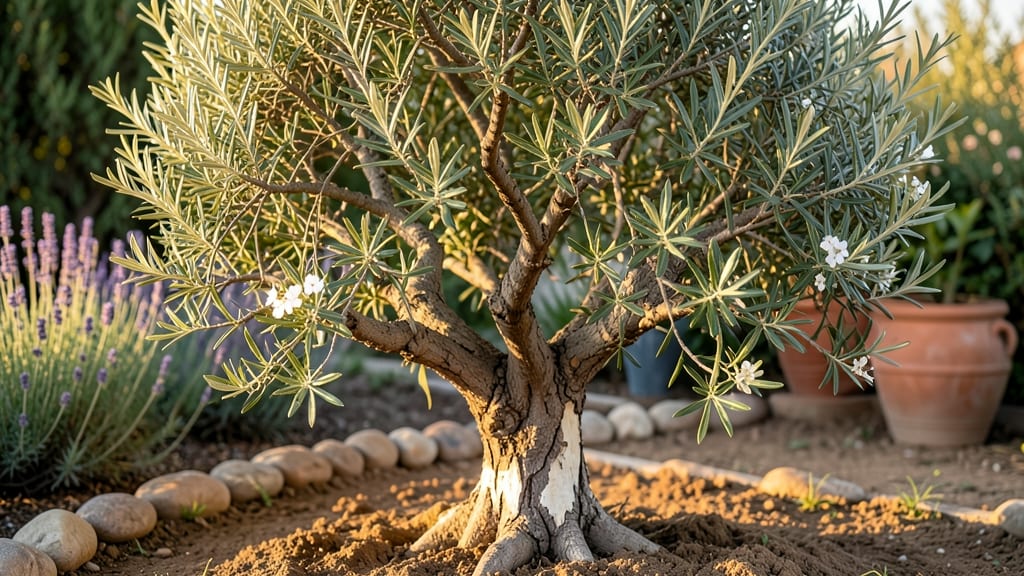
Pruning your Swan Hill olive tree in Arizona’s dormant season is the secret to a stronger, more drought-resistant tree that thrives in the desert heat. 🌵 I’ve watched mine go from struggling to flourishing after mastering this technique—it’s all about timing, cuts, and understanding how these trees handle our extreme climate.
The key is pruning late winter to early spring, when the tree is dormant but before new growth starts. Arizona’s dry air and intense sun mean you’ll want to shape the tree to reduce water loss while encouraging a dense canopy.
Use sharp pruners to make clean cuts just above outward-facing buds, and avoid heavy pruning—olives respond better to gradual shaping.
What you’ll end up with is a tree that handles our 110-degree summers with ease, producing more fruit and fewer pests. The right cuts improve airflow, reducing the risk of fungal issues common in our monsoon season. Plus, a well-pruned tree looks stunning against Arizona’s desert backdrop.
This method works for both young trees and mature specimens, whether you’re growing in Phoenix’s urban heat islands or cooler Prescott elevations. Local nurseries like Desert Botanical Garden’s plant sales often carry Swan Hill olives—perfect for gardeners ready to take on this Mediterranean beauty.
📚 In This Guide
- What you need
- Instructions
- Tips and common mistakes
- Wrapping up and next steps
What you need
- ● Pruning shears: Bypass pruners (for small branches, ¼”–½” thick)
- ● Loppers: 6”–8” bypass loppers (for branches ½”–1½” thick)
- ● Pruning saw: Curved-tooth pruning saw (for branches 1½”+ thick)
- ● Disinfectant: 70% isopropyl alcohol or 1-part bleach : 9-parts water (to sanitize tools)
- ● Heavy-duty gloves: Cut-resistant, gardening-grade (desert sun + thorns = protection!)
- ○ 5-gallon bucket: For collecting pruned branches (optional but handy!)
- ● Sealing wax: Pruning sealant (for cuts > ½” thick)
- ● Extension pole: 6–8 ft telescoping pole (for high branches)
- ● Sharpie marker: Permanent marker (to label cuts if grafting later)
- ● Dust mask: For heavy pruning (desert dust isn’t fun!)
- ● Check the tree’s dormant season (late winter, Jan–Feb, when no leaves remain).
- ● Confirm the tree is healthy (no signs of disease or pest infestation).
- ● Gather a clear day (no rain forecast for 24 hours).
Instructions for pruning your Swan Hill olive tree in Arizona’s dormant season
Here’s how to shape your olive tree for desert resilience—without stressing the plant.
✂️ Step 1: Time Your Pruning for Optimal Healing
Prune your Swan Hill olive tree late winter to early spring, just as new growth begins but before buds swell. In Arizona’s climate, aim for February to March when temperatures stay above 40°F but haven’t yet hit 70°F. Pruning too early risks cold damage, while waiting too long stresses the tree as it prepares for summer.
Watch for dormant buds along branches—these look like tiny, tight clusters. When you see them slightly plump (not yet cracked open), it’s your cue. Avoid pruning after April 15, or you’ll encourage tender new growth vulnerable to our sudden heat spikes.
✂️ Step 2: Sterilize Tools and Assess the Tree’s Structure
Clean your pruning shears and saw with 70% isopropyl alcohol or a 10% bleach solution to prevent bacterial spread. Olive trees are susceptible to silver leaf disease, and contaminated tools can introduce it. Wipe blades dry before use—moisture left on metal accelerates rust.
Step back and scan the tree for dead, crossing, or weak branches. Focus on removing suckers (shoots sprouting from the base or trunk) and water sprouts (thin, vertical shoots). These compete with fruit production and weaken the tree’s structure. Use sharp tools to make clean cuts at a 45-degree angle, just outside the branch collar.
☀️ Step 3: Thin the Canopy for Airflow and Sunlight
Olive trees thrive in full sun, but Arizona’s intense rays demand strategic thinning. Remove 10-20% of the canopy to improve airflow and reduce heat stress. Target overlapping branches and those growing inward—these block light and trap moisture, inviting fungal issues.
Prioritize branches thicker than ½ inch for removal. Thinner branches can wait until next year’s pruning. Leave 3-5 main scaffold branches evenly spaced around the trunk. This shape mimics the tree’s natural habit and prevents future structural problems. Avoid "topping" (cutting the top flat)—it encourages weak, bushy growth.
🌱 Step 4: Encourage Fruit Production with Strategic Cuts
To boost olive yield, prune selectively—never remove more than 25% of the tree’s foliage in one season. Focus cuts on older wood (2-3 years old) to stimulate new growth where fruit forms. Avoid heavy pruning on young trees under 5 years old; they need their energy for root development.
Look for fruit-bearing branches—these have small, round buds along their length. Trim back last year’s growth by ⅓ to encourage stronger, more productive branches. If your tree is mature, prune sparingly on branches younger than 1 year old; they won’t bear fruit until they’re 2-3 years old.
💧 Step 5: Post-Pruning Care for Desert Recovery
Water the tree deeply the day after pruning to help it recover. In Arizona’s dry climate, drip irrigation at the drip line (edge of the canopy) ensures roots get moisture without wasting water. Avoid overhead sprinklers—they can introduce fungal spores to fresh cuts.
Apply a 2-3 inch layer of mulch (like wood chips) around the base, keeping it 6 inches away from the trunk. This retains moisture and regulates soil temperature. Monitor the tree for new growth in 4-6 weeks—this confirms it’s healing well. If leaves appear yellow or wilted, reduce watering immediately; overhydration in desert soils is a common mistake.
Tips & tricks for pruning your Swan Hill olive tree in Arizona’s dormant season
These pro techniques will help you shape your olive tree for desert resilience without causing unnecessary stress.
Timing is Everything: The February to March window is critical for Arizona’s climate. If you miss this, don’t panic—just wait until buds begin to swell. I’ve learned the hard way that pruning after April 15 can leave your tree vulnerable to our sudden heat spikes, so mark your calendar for that 40°F to 70°F sweet spot. Watch for those slightly plump dormant buds along branches—they’re your visual cue that it’s time.
Tool Prep Prevents Problems: Sterilizing your pruning tools with 70% isopropyl alcohol or a 10% bleach solution is non-negotiable for Arizona’s olive trees. I’ve seen silver leaf disease spread through contaminated tools, and once it’s in your tree, there’s no cure. Wipe blades completely dry afterward—moisture left on metal blades accelerates rust and can introduce bacteria. Keep a small bottle of rubbing alcohol in your tool bag for quick cleanups between cuts.
Structural Strategy: When assessing your tree’s structure, focus on removing suckers and water sprouts first—they’re the biggest energy vampires. These shoots compete with fruit production and weaken the tree’s overall structure. Make your cuts at a 45-degree angle just outside the branch collar, and always use sharp tools. Dull blades cause tearing, which invites disease and slows healing. If you’re unsure about a cut, step back and visualize how it will affect the tree’s natural shape.
Post-Pruning Recovery: That first deep watering after pruning is crucial for desert recovery. Use drip irrigation at the drip line to deliver moisture directly to the roots without wasting water. I’ve seen many gardeners make the mistake of overwatering after pruning—watch for yellow or wilted leaves in the 4-6 weeks after pruning as a sign to cut back. A 2-3 inch layer of mulch (kept 6 inches away from the trunk) will work wonders for moisture retention and temperature regulation in our extreme climate.
Pro Tips for Swan Hill Olive Tree Arizona
- These pro techniques will help you shape your olive tree for desert resilience without causing unnecessary stress.
- Timing is Everything: The February to March window is critical for Arizona’s climate.
- Tool Prep Prevents Problems: Sterilizing your pruning tools with 70% isopropyl alcohol or a 10% bleach solution is non-negotiable for Arizona’s olive trees.
Frequently asked questions
When is the best time to prune my Swan Hill Olive Tree in Arizona’s dormant season?
The ideal window is late winter to early spring (February–March), when the tree is dormant but before new growth sprouts. This timing minimizes stress, reduces pest/disease risks, and aligns with Arizona’s milder winter temps. Avoid pruning in summer’s scorching heat or during monsoon season (July–September).
How much can I safely prune without harming the tree?
For mature Swan Hill Olive Trees, limit pruning to no more than 25–30% of the canopy per year. Focus on removing dead, diseased, or crossing branches first, then thin out dense areas to improve airflow. Over-pruning can stress the tree—think of it like a haircut: small, strategic cuts yield the best results!
Will pruning attract pests like olive fruit flies or scale insects?
Pruning opens the tree up, which can temporarily attract pests if debris isn’t removed. To prevent issues:
- Clean up all clippings and fallen leaves immediately.
- Inspect the tree post-prune for signs of infestation (sticky residue, tiny webs).
- Apply horticultural oil (like neem oil) if pests appear, following package instructions.
What if I prune at the wrong time—will my tree survive?
While timing matters, your tree can recover if pruned outside the dormant window. Just:
- Water deeply 2–3 days before and after pruning (even in winter).
- Avoid extreme heat stress: Prune in early morning or late afternoon if doing it in summer.
- Monitor for signs of shock (wilting, leaf drop) and adjust care accordingly.
Are there alternatives to traditional pruning for desert olive trees?
Yes! Consider these low-stress options:
- Topiary shaping: Gives structure without heavy cuts (great for formal gardens).
- Selective thinning: Remove only the innermost branches to open the canopy gradually.
- Root pruning: Dig around outer roots (1–2 feet deep) to encourage new growth—best done in late winter.
Wrapping up and next steps
Pruning your Swan Hill Olive Tree during Arizona’s dormant season isn’t just maintenance—it’s an investment in its long-term vitality. By following the right techniques, you’ll encourage stronger growth, better fruit production, and resilience against the desert’s harsh conditions. You’ve got this! 🌵✨
Ready to take action? Grab your tools, schedule a weekend session, and give your olive tree the care it deserves. Start small, stay consistent, and watch your tree thrive in the Sonoran sun!