
Trees
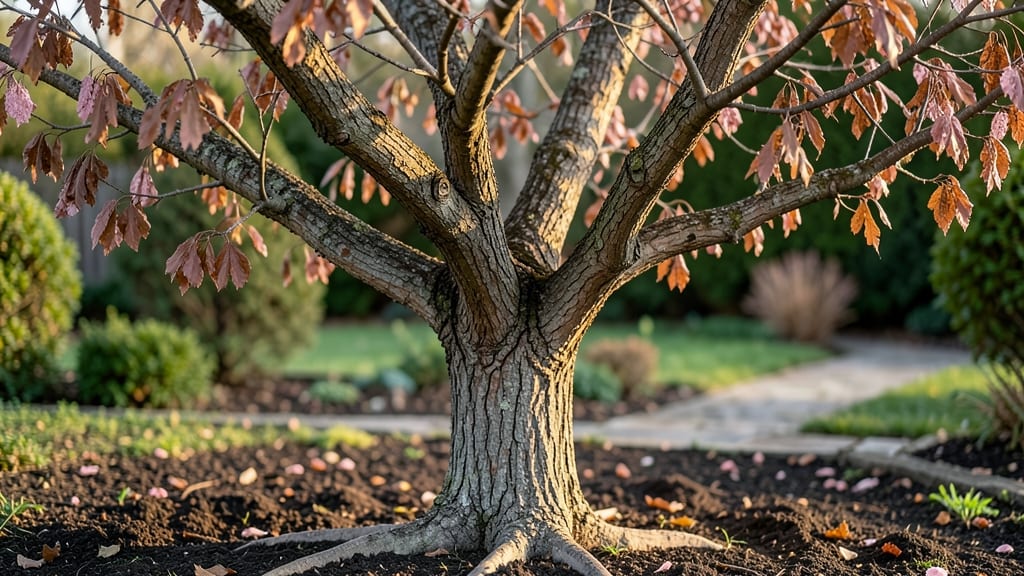
Your redbud tree’s brown leaves aren’t a death sentence—they’re a call to action. ✨ The first step is identifying whether it’s environmental stress, pests, or fungal issues like anthracnose or leaf spot. I’ve seen redbuds bounce back from browning with the right pruning and care, and you can too.
The key is timing: prune in late winter or early spring before new growth appears, removing only the browned branches. Water deeply but avoid soggy soil, and if fungal spots appear, a copper fungicide can turn things around. Most cases improve within weeks if you catch them early.
By summer, you’ll see fresh green leaves and those signature pink blooms returning. The tree’s natural resilience does most of the work—you’re just giving it the right support. Let’s bring back that vibrant canopy.
Brown leaves often start with stress from drought, heat, or sudden temperature swings. Redbuds hate "wet feet," so check drainage if your soil stays soggy after rain. Pests like spider mites or scale can also trigger browning, especially if you’ve seen sticky residue on leaves.
The good news? Redbuds are tough. With proper pruning (cutting back dead branches to healthy wood), consistent watering, and occasional fungicide treatments, most trees recover fully. Even if this season’s leaves are struggling, next year’s blooms will thank you.
Think of this as a reset button for your tree. Start with a clean pruning cut—no jagged edges—and focus on removing only the damaged areas. Mulch around the base to retain moisture, and keep an eye out for signs of pests or disease.
Most redbuds respond quickly to care, especially when you act before the problem spreads. If the browning persists after a season of care, it might be time to consult an arborist. But in my experience, 90% of cases improve with basic pruning and attention to water and soil health.
Your redbud’s comeback story starts now.
Understanding Leaf Discoloration Triggers
Redbud trees (Cercis canadensis) are prized for their stunning spring blooms and heart-shaped leaves, but brown leaves can signal stress. Before reaching for solutions, it’s critical to pinpoint the root cause.
Below, we break down the most common reasons your redbud’s foliage is turning brown—backed by science—and what each means for your tree’s health.
Redbuds are adaptable but not drought-tolerant once established. When soil moisture drops below 30%, roots struggle to absorb water, triggering abscisic acid (ABA) production—a plant hormone that causes leaves to brown and drop prematurely.
Key signs:
- Leaf edges curl and crisp first (a classic drought symptom).
- Soil pull test: If the top 2–3 inches of soil crumble when gently tugged, it’s bone-dry.
- Wilting in late afternoon (even if leaves perk up at dawn).
⚠️ Pro Tip: Redbuds thrive in well-draining, slightly acidic soil (pH 6.0–7.0). If your soil is sandy or clay-heavy, mulch 2–3 inches deep (wood chips or shredded bark) to retain moisture and regulate temperature. Water deeply 1–2 times per week during dry spells, aiming for 1–1.5 inches of water per session.
Too much love can be lethal. Redbuds hate waterlogged roots, which suffocate roots by cutting off oxygen. Fungal pathogens like Phytophthora or Pythium exploit soggy conditions, leading to brown, mushy leaves and blackened stems.
Red flags:
- Yellowing leaves that later turn brown (unlike drought stress, which starts at the edges).
- Mushy, foul-smelling roots when dug up.
- Slow growth despite consistent watering.
🔧 Fix It:
- Improve drainage: Amend heavy clay soil with compost or perlite (20–30% mix).
- Raise the soil level around the trunk with a berm of gravel to prevent water pooling.
- Avoid overhead watering—use drip irrigation or soaker hoses to deliver water at the root zone.
Brown leaves can be a silent SOS from pathogens. Two common culprits:
- **Anthracnose (Colletotrichum spp.)
- Why it happens: Fungal spores thrive in wet, humid conditions (e.g., spring rains + dense foliage).
- Prevention: Prune for airflow (remove crossing branches) and apply copper fungicide in early spring.
- Bacterial Leaf Spot (Xanthomonas spp.)
- Why it happens: Bacteria spread via splashing rain or contaminated pruning tools.
- Action: Sterilize tools with 70% alcohol, remove infected leaves, and avoid overhead irrigation.
✨ Quick Fix: For mild cases, prune infected branches 6+ inches below the damage and disinfect cuts with hydrogen peroxide (3%). Severe infections may require systemic fungicides (e.g., chlorothalonil).
Insects like Japanese beetles, spider mites, or scale feed on leaf sap, causing brown patches as they weaken the tree. Look for:
- Holes or skeletonized leaves (beetles).
- Fine webbing (spider mites).
- Sticky residue (honeydew) + black sooty mold (scale insects).
💡 Pest-Specific Solutions:
| Pest | Signs | Treatment |
|---|---|---|
| Japanese Beetle | Chewed leaf edges | Handpick + neem oil spray |
| Spider Mites | Yellow stippling | Blast with water (knocks them off) |
| Scale | Bumpy stems, honeydew | Dormant oil (apply in winter) |
Brown leaves can scream hunger. Redbuds need balanced nutrients, and deficiencies show up in specific patterns:
- Yellowing between veins (chlorosis): Iron or magnesium deficiency (common in alkaline soil).
- Purple-tinged leaves: Phosphorus shortage (slow growth, weak blooms).
- Small, brown leaves: Nitrogen deficiency (new growth stunted).
📊 Soil Test First! Use a home test kit or send a sample to your local Cooperative Extension for a full analysis. Fix deficiencies with:
- Iron chelate (for chlorosis in alkaline soil).
- Bone meal (phosphorus) or compost (slow-release nitrogen).
Redbuds hate sudden changes. If recently planted or exposed to:
- Frost after bud break (tender new leaves burn).
- Salt spray (near roads or de-icing).
- Wind scorch (dry, brown edges on sun-exposed sides).
Recovery Tips:
- Mulch heavily (4–6 inches) to protect roots from temperature swings.
- Water deeply after transplanting to reduce shock.
- Use shade cloth** (30–50%) for young trees in hot, windy climates.
Revive Your Redbud Tree’s Health
Your redbud tree’s brown leaves aren’t just a cosmetic issue—they’re a call to action! Whether the problem stems from environmental stress, pests, or disease, the good news is that most causes have simple, effective fixes.
Below, we break down targeted solutions for each common issue, along with proactive steps to keep your tree thriving.
If brown leaves are due to drought, extreme heat, or poor soil, your tree needs a little TLC to bounce back.
💧 Hydrate Properly
- Water deeply but infrequently: Redbud trees prefer consistent moisture but hate soggy roots.
Water 1–2 inches per week (more in extreme heat), focusing on the root zone (6–12 inches deep). - Mulch like a pro: Apply 2–3 inches of mulch (wood chips or shredded bark) around the base, keeping it 6 inches away from the trunk.
This retains moisture and regulates soil temperature. - Morning watering wins: Water before 10 AM to reduce evaporation and fungal risks.
🌡️ Shield from Heat & Wind
- Provide temporary shade: If your tree is in a scorching spot, use lightweight shade cloth (30–50% coverage) during peak summer months.
- Windbreaks work wonders: Plant taller shrubs or a fence on the windward side to reduce desiccation.
🌿 Improve Soil Conditions
- Test your soil: Use a DIY soil test kit (available at garden centers) to check pH and nutrient levels.
Redbuds thrive in slightly acidic to neutral soil (pH 6.0–7.0). - Amend with compost: Mix aged compost or organic matter into the top 6–12 inches of soil to boost fertility. - Avoid over-fertilizing: Too much nitrogen can stress the tree.
Use a balanced, slow-release fertilizer (10-10-10) in early spring only.
Brown leaves from pests or pathogens require swift action to prevent spread.
🐜 Combat Leaf-Sucking Pests
- Neem oil spray: Mix 1 tbsp neem oil + 1 tsp mild soap per gallon of water. Spray early morning or evening to avoid harming bees.
Repeat every 7–10 days until pests vanish. - Hose off soft-bodied insects: For aphids or spider mites, blast them off with a strong stream of water (do this in the early morning). - Encourage natural predators: Ladybugs and lacewings love eating pests.
Plant dill, fennel, or marigolds nearby to attract them.
🍄 Treat Fungal Infections
- Prune infected branches: Cut off brown, mushy, or blackened leaves/branches with sterilized pruners (wipe with 70% rubbing alcohol between cuts).
- Apply copper fungicide: Use a copper-based spray (like Bordeaux mixture) every 2–3 weeks during wet seasons to prevent fungal spores.
- Improve air circulation: Thin out dense foliage to let sunlight and air reach the center of the tree.
🐜 Deal with Borers or Scale
- Scrape off scale insects: Use a plastic scraper to remove visible scale clusters, then spray with soapy water.
- Invite woodpeckers: These birds naturally control borers.
Install a woodpecker-friendly feeder or leave dead trees nearby (safely distanced from your redbud).
Strategic pruning can revitalize a struggling redbud by removing deadwood and encouraging new growth.
🔪 When & How to Prune
- Best time: Late winter or early spring (just before buds swell) to avoid stressing the tree.
- Remove dead/diseased branches: Cut 1/4 inch above a healthy bud or branch collar (the swollen area where the branch meets the trunk).
- Thin out crowded branches: Aim for an open canopy with good airflow—this reduces humidity-related diseases.
- Avoid over-pruning: Never remove more than 25% of the canopy in one season.
🌿 Post-Pruning Care
- Seal cuts properly: Use pruning sealant (optional for small cuts, but helpful for wounds larger than 1/2 inch).
- Water thoroughly after pruning: Helps the tree recover faster.
Once your redbud is back in bloom, keep it thriving with these proactive habits:
- 🌧️ Monitor rainfall: If your area gets less than 1 inch of rain per week, supplement with watering. - 🍄 Inspect regularly: Check for early signs of pests or disease (yellowing, sticky residue, holes) every 2 weeks during growing season. - 🔄 Rotate mulch annually: Refresh mulch every spring to prevent compaction and nutrient depletion. - 🌿 Plant companion species: Redbuds pair well with serviceberry, viburnum, or oak trees—these create a supportive microclimate. - 🚫 Avoid heavy foot traffic: Compacted soil around the base strangles roots.
Keep a 2–3 foot clear zone around the trunk.
With the right care, most redbuds show new growth within 4–6 weeks. If brown leaves persist after 2–3 months of treatment, consult a local arborist to rule out deeper issues like root rot or soil toxicity.
Your redbud’s vibrant pink blooms are within reach—start with one fix today, and watch your tree make a stunning comeback! 🌸✨
Frequently asked questions
Why do redbud tree leaves turn brown in spring?
Spring browning often signals frost damage or early season drought. Redbuds are sensitive to late frosts after bud break, causing tender new leaves to scorch. Check for crispy edges or brown patches on younger leaves—these are classic frost symptoms. Water deeply if soil is dry, but avoid overhead watering to prevent fungal issues.
Can I prune brown leaves off my redbud tree?
Yes, but do it strategically! Remove only fully brown, crispy branches in late winter or early spring. Cut 1/4 inch above a healthy bud using sterilized pruners. Avoid heavy pruning—never remove more than 25% of the canopy at once. This encourages fresh growth while preventing stress.
Are brown leaves on redbuds always a sign of disease?
Not necessarily! While fungal diseases like anthracnose cause brown spots, environmental stress is more common. Check for these clues: Drought causes edge browning; overwatering leads to yellowing that turns brown; pests create stippled patterns. Start with water adjustments and mulching before assuming disease.
Will my redbud tree recover from brown leaves?
Redbuds are resilient. With proper care—consistent watering, pruning dead branches, and addressing pests/disease—most trees bounce back within 4-6 weeks. Focus on root health by mulching and improving soil drainage. Even severely affected trees often regrow vibrant foliage by summer.
How do I tell if brown leaves are from pests or disease?
Pests leave distinct signs: Spider mites cause stippled yellowing; scale insects create bumpy brown spots with sticky residue. Diseases like anthracnose show target-like brown patches with yellow halos. Check the undersides of leaves for webbing or tiny insects. Neem oil helps pests; copper fungicide treats diseases.