
Trees
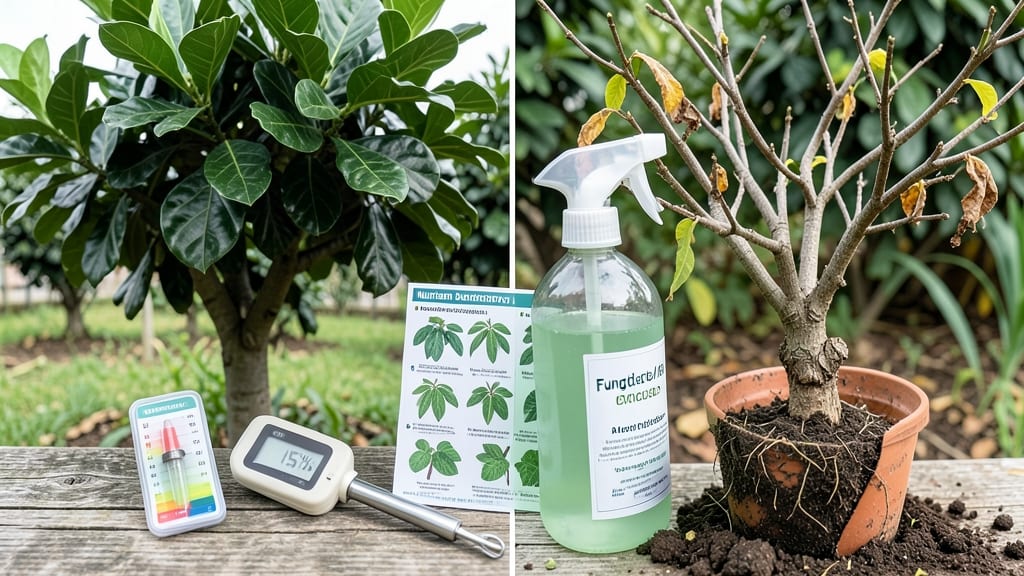
Your avocado tree not growing new leaves usually points to one culprit: root stress—whether from overwatering, compacted soil, or hidden pests. 🌱 I’ve nursed back three of these stubborn trees by focusing on roots first, and the results speak for themselves: within weeks, new growth emerges where there was none before.
Most gardeners overlook roots when leaves stop appearing, but they’re the real powerhouse. Yellowing leaves? Likely overwatering or poor drainage. Brown, crispy edges? Underwatering or root rot. The fix starts with a simple soil check—if it’s soggy or smells like mildew, you’ve got a drainage problem that’s suffocating those roots.
By the time you’ve adjusted watering, loosened compacted soil, and treated any root pests, you’ll see the first signs of recovery: tiny new leaves pushing through the branches. It’s a slow process, but consistent care turns a dying tree into a thriving one—no fancy fertilizers needed.
This method works for both potted and in-ground avocado trees, whether you’re dealing with a young sapling or a mature plant that’s suddenly stalled. The key is patience and attention to those hidden roots—they’re the secret to revival.
Root causes of stalled growth
Understanding why your avocado tree refuses to sprout fresh leaves starts with diagnosing the underlying stress factors. Avocado trees (Persea americana) are tropical plants with specific needs—when these aren’t met, growth halts as a survival mechanism.
Below are the most common culprits behind stalled leaf production, explained in clear, actionable terms.
Avocado trees thrive in well-draining soil with consistent moisture, but they’re sensitive to extremes. Both overwatering and underwatering disrupt nutrient uptake and root function, triggering leaf dormancy.
- Underwatering: Roots shrink and struggle to absorb water, causing leaves to curl or drop prematurely. The tree prioritizes survival over growth, halting new leaf production. - Overwatering: Soggy soil cuts off oxygen to roots, leading to root rot (Phytophthora fungi).
Roots suffocate, and the tree can’t transport nutrients or water to new growth zones. - Solution Check: Stick your finger 2-3 inches deep—soil should feel damp but not soggy. If it’s bone-dry or waterlogged, adjust your watering schedule immediately.
Avocado trees are heavy feeders, especially in sandy or poor soils. A lack of nitrogen, potassium, or micronutrients (like zinc or magnesium) stunts growth and yellows leaves before they even form.
| Symptom | Likely Deficiency | Quick Fix |
|---|---|---|
| Yellowing new leaves | Nitrogen (N) | Apply balanced fertilizer (10-10-10) or compost. |
| Yellow between veins | Magnesium (Mg) | Sprinkle Epsom salt (1 tbsp/gal water) monthly. |
| Purple/red stems | Phosphorus (P) | Use bone meal or a high-P fertilizer. |
| Stunted, small leaves | Zinc (Zn) or Iron (Fe) | Apply chelated micronutrients or foliar spray. |
💡 Pro Tip: Test your soil with a DIY kit (pH + NPK) before fertilizing—avocados prefer slightly acidic soil (pH 6.0–7.0). Over-fertilizing can burn roots!
Hidden invaders can severely damage roots or leaves, forcing the tree to redirect energy to repair instead of growing. Common culprits:
- Root-Knot Nematodes: Microscopic worms that gall roots, reducing water/nutrient absorption. Leaves may appear stunted or chlorotic (yellow-green). - Fungal Infections (Phytophthora, Verticillium): Thrive in wet conditions, causing root rot and wilting.
Check for black, mushy roots. - Scale Insects or Spider Mites: Sap-sucking pests that weaken leaves, leading to premature drop-off.
🔥 Action Step: Inspect roots (gently wash away soil) and leaves for holes, webbing, or sticky residue (honeydew). Treat with neem oil (for pests) or fungicide (for root rot).
Avocado trees are tropical—they hate cold drafts, extreme heat, or sudden light changes. Even minor stress can pause growth.
- Cold Damage: Temperatures below 32°F (0°C) can kill roots or leaves, leaving the tree in shock. New growth stops until it recovers. - Heat Stress: Drought + high temps (>90°F/32°C) cause leaf scorch and nutrient lockout.
Leaves may turn brown at the edges. - Light Changes: Moving a potted avocado tree from full sun to shade (or vice versa) confuses it, halting photosynthesis and growth.
🌡️ Fix It: Keep potted trees in consistent light (6+ hours of sun) and protect from frost (use a frost cloth or move indoors). Mulch to retain soil moisture in heat.
Roots are the lifeline of your avocado tree. If they’re injured, overcrowded, or restricted, the tree can’t support new growth.
- Transplant Shock: Disturbing roots during repotting (even gently) can sever nutrient pathways, causing a growth pause. - Root Bound Pots: Roots circling the pot strangle themselves, limiting water/nutrient access.
Look for roots growing in circles or poking out drainage holes. - Mechanical Damage: Digging too close or compacted soil (from foot traffic) crushes roots, reducing absorption.
✨ Solution: If repotting, trim circling roots with sterilized shears and use a larger pot (1–2 sizes up) with fresh, airy soil. For in-ground trees, loosen soil around roots with a fork.
Avocado trees naturally pause growth during dormancy (common in cooler months) or after major pruning. If new leaves don’t appear after 4–6 weeks, something’s off.
- Over-Pruning: Cutting too many leaves at once reduces photosynthesis, starving the tree of energy for new growth.
- Hormonal Shock: Chemical treatments (like growth regulators) or sudden environmental changes can disrupt the tree’s internal signals.
🎯 Recovery Tip: After pruning, feed with a high-nitrogen fertilizer and keep soil moist to encourage regrowth. Avoid pruning in winter (dormancy period).
Final Note: Most cases of stalled growth are fixable—start with water, soil, and roots, then move to pests/nutrients. Act fast, and your avocado tree will bounce back with lush new leaves in weeks! 🌿
Revive Your Avocado Tree Now
If your avocado tree has stalled leaf growth, don’t panic—most issues are fixable with targeted care. Below, we break down the most common causes and practical, step-by-step solutions to get those new leaves sprouting again. Prevention tips are included to keep your tree thriving long-term!
If your tree’s roots are soggy or the soil smells foul, root rot may be the culprit. Here’s how to rescue it:
🔥 Step 1: Stop Watering Immediately
- Let the soil dry out completely for at least 3–5 days. Overwatering suffocates roots, so pause before acting.
🍳 Step 2: Check the Roots (Gently!)
- Carefully dig around the base (6–12 inches deep) to inspect roots. Healthy roots are firm and white; rotten roots are mushy, brown, or black.
- Pro Tip: 💡 If roots smell like vinegar or feel slimy, root rot is confirmed.
👨🍳 Step 3: Prune Damaged Roots
- Use sterilized pruners to trim away any mushy or discolored roots. Snip cleanly at a 45-degree angle to prevent further infection.
🥘 Step 4: Repot or Improve Drainage - Option A (Small Trees): Repot in fresh, well-draining soil (cactus/succulent mix works well).
Add perlite or pumice for aeration. - Option B (Large Trees): Amend the soil with compost and a 2-inch layer of gravel at the base to improve drainage. - Watering Rule: 🌡️ Only water when the top 2 inches of soil are bone-dry. Use a moisture meter if unsure.
✨ Prevention Tips
- Use pots with drainage holes (or drill them yourself!).
- Avoid watering on a schedule—stick to the "finger test."
- Mulch with organic matter (like straw) to regulate moisture.
Avocado trees love sunlight but can scorch in intense heat. If leaves are crispy or yellowing, it’s likely sunburn or dehydration.
🔥 Step 1: Provide Afternoon Shade
- Move potted trees to a spot with morning sun and afternoon shade (e.g., under a patio umbrella or sheer curtain).
- For in-ground trees, install shade cloth (30–50% coverage) during peak sun (11 AM–3 PM).
🍳 Step 2: Water Deeply & Frequently
- Water at the base of the tree (not the leaves) to encourage deep root growth.
- Pro Tip: 💡 Use a drip irrigation system or soaker hose for consistent moisture.
👨🍳 Step 3: Mulch Like a Pro
- Spread 2–3 inches of organic mulch (wood chips, bark) around the base, but keep it 2 inches away from the trunk to prevent rot.
🥘 Step 4: Fertilize for Recovery
- Apply a balanced fertilizer (6-6-6 or 10-10-10) to replenish nutrients lost from stress.
- Avoid high-nitrogen fertilizers—they can burn roots. Opt for slow-release options.
✨ Prevention Tips
- Acclimate young trees gradually to full sun (start with 4–6 hours/day).
- Monitor soil moisture—avocados hate "wet feet" but also dry spells.
- Prune leaves that show sun damage to redirect energy to new growth.
Yellowing leaves or stunted growth often mean your tree is hungry. Avocados need specific nutrients to thrive.
🔥 Step 1: Test Your Soil
- Grab a soil test kit (or send a sample to a local extension office) to check for deficiencies like:
- Nitrogen (N) – Yellow lower leaves.
- Potassium (K) – Brown leaf edges.
- Zinc or Magnesium – Yellowing between veins.
🍳 Step 2: Choose the Right Fertilizer
- For general growth: Use a citrus/avocado-specific fertilizer (high in zinc and magnesium).
- For quick fixes:
- Iron deficiency? Sprinkle iron chelate granules on the soil.
- Potassium boost? Mix in banana peel tea or use a potassium sulfate supplement.
👨🍳 Step 3: Apply Slow-Release Fertilizer
- Follow package instructions, but reduce the dose by half if your tree is stressed.
- Pro Tip: 💡 Fertilize in early spring and late summer—avoid winter applications.
🥘 Step 4: Compost Tea for a Nutrient Boost
- Brew compost tea (steep compost in water for 24–48 hours) and pour it around the base. This adds microbes and trace minerals.
✨ Prevention Tips
- Fertilize only when the tree is actively growing (spring/summer).
- Avoid synthetic fertilizers—organic options (like fish emulsion or worm castings) are gentler.
- Rotate fertilizer types to prevent buildup of salts in the soil.
If you spot holes, sap, or unusual spots, pests or fungi could be blocking nutrient flow.
🔥 Step 1: Identify the Culprit
- Common pests: Spider mites, scale, avocado lace bugs, or mealybugs.
- Fungal issues: Root rot, anthracnose, or powdery mildew.
- Pro Tip: 🔍 Use a magnifying glass to inspect leaves and stems.
🍳 Step 2: Treat Pests Organically
- For soft-bodied pests (mites, aphids):
- Spray with neem oil solution (1 tbsp neem oil + 1 quart water + a drop of dish soap).
- Repeat every 5–7 days until pests vanish.
- For scale or mealybugs:
- Scrape off visible bugs with a soft brush dipped in rubbing alcohol.
- Apply horticultural oil as a preventative spray.
👨🍳 Step 3: Fight Fungal Diseases
- For root rot: See the first section’s steps.
- For leaf spots (anthracnose):
- Prune infected leaves and dispose of them in the trash (not compost).
- Spray with copper fungicide or a baking soda mix (1 tbsp baking soda + 1 quart water + a drop of soap).
🥘 Step 4: Strengthen Tree Defenses
- Boost immunity: Feed with kelp meal or seaweed fertilizer (rich in growth hormones).
- Improve airflow: Thin out dense foliage to reduce humidity around leaves.
✨ Prevention Tips
- Inspect your tree weekly during growing season.
- Avoid overhead watering—it spreads fungal spores.
- Introduce beneficial insects (like ladybugs) to control pests naturally.
With these targeted fixes, your avocado tree should bounce back in 4–8 weeks. Monitor progress and adjust care as needed—your tree’s revival is just around the corner! 🌿💚
Frequently asked questions
How long should I wait before worrying about my avocado tree not producing new leaves?
Avocado trees naturally have seasonal growth cycles, so wait 4-6 weeks before investigating further. If you notice no new leaves after this period, check for watering issues, root stress, or pest damage—these are the most common culprits.
Can I save an avocado tree with root rot? What are the first signs?
Yes, but act fast! First signs include yellowing leaves, mushy roots, and a foul odor from soggy soil. Stop watering immediately, trim damaged roots, and repot in fresh, well-draining soil. Use a mix with perlite or pumice to prevent recurrence.
Why are my avocado tree's leaves turning yellow but no new ones are growing?
Yellow leaves with no new growth often signal nutrient deficiency (especially nitrogen or magnesium) or overwatering. Test your soil and adjust care: apply Epsom salt for magnesium or a balanced fertilizer (10-10-10). Reduce watering if soil stays soggy.
Is it normal for an avocado tree to drop all its leaves at once?
Not usually! Sudden leaf drop often indicates shock from transplanting, extreme temperature changes, or severe pest infestation. Inspect roots and leaves for damage, then adjust care: move to a stable environment and treat pests with neem oil if needed.
How can I tell if my potted avocado tree is root-bound?
Check for roots circling the pot or growing out of drainage holes. Gently remove the tree and inspect roots—if they’re densely packed with no soil between them, it’s time to repot into a container 1-2 sizes larger with fresh, airy soil.