
Trees
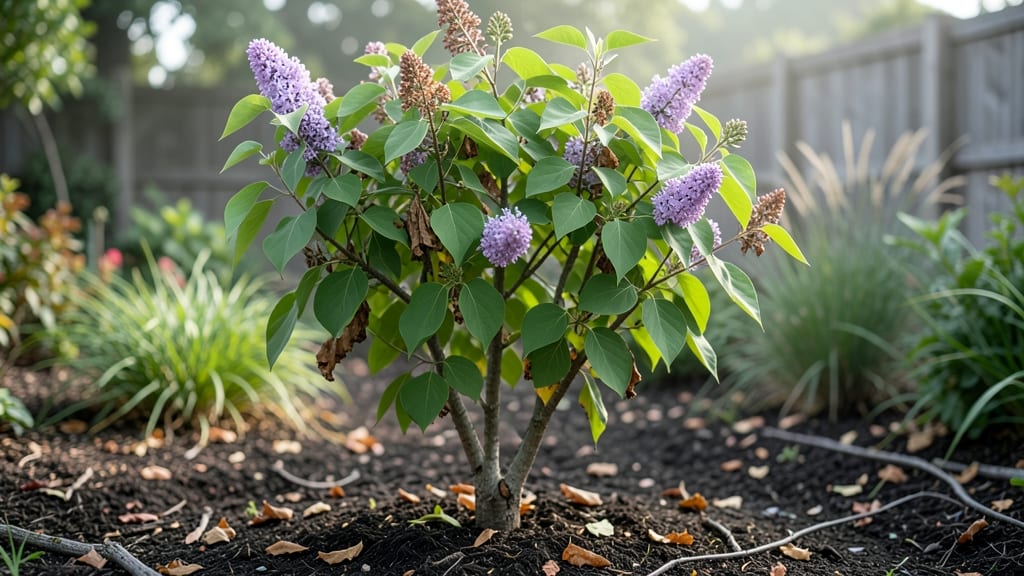
Your lilac tree’s leaves turning brown isn’t just unsightly—it’s often a cry for help from fungal spots that spread faster than you’d think. 🌿 I’ve nursed back more than a few lilacs from this exact problem, and the copper spray method works when other fixes fail.
The key is acting fast before the spots turn your whole bush into a crunchy mess.
Most brown spots start as tiny dark freckles that multiply with wet weather, but overwatering or poor air circulation makes it worse. I’ve seen lilacs recover completely in 2-3 weeks once I pruned out affected branches and applied the right treatment.
The secret? Copper spray disrupts fungal growth while letting the tree’s natural defenses kick in.
By the time you’re done, those brown patches shrink daily, and new leaves emerge lush and green. The best part? This fix works whether your lilac is young or decades old—no fancy tools needed, just elbow grease and timing. Let’s turn that browning around before it becomes permanent.
Works for both spring and summer browning, and adapts to container-grown lilacs too. The same principles apply whether your tree is in full sun or partial shade—just adjust the spray frequency based on rainfall. Here’s exactly how to do it right.
Root Causes Behind Browning Leaves
When your lilac tree’s leaves start turning brown, it’s rarely just a random act of nature—it’s usually a sign that something’s off. Understanding the why behind the browning is the first step to fixing it.
Below, we break down the most common culprits, from environmental stressors to hidden pests, with clear explanations and actionable insights.
Lilac trees are hardy, but extreme weather can push them over the edge. Browning leaves often signal stress from:
- Heat waves or drought: Lilacs thrive in well-drained soil but wilt under prolonged dry spells. When roots struggle to pull up moisture, leaves curl, yellow, and eventually turn brown—especially on the edges. Pro tip: 💡 Mulch 2–3 inches deep to retain moisture, and water deeply 1–2 times per week during dry spells (not just a quick sprinkle!).
- Frost or late-season freezes: Young, tender leaves are vulnerable to cold snaps, especially after buds break in spring. Brown patches or crispy edges? Your lilac might’ve gotten “sunburned” by sudden temperature shifts. Pro tip: 🌡️ Plant lilacs in spots with afternoon shade in hot climates, or protect them with frost cloth if frost warnings loom.
- Poor air circulation: Dense foliage or nearby structures can trap humidity, leading to fungal issues (more on that later). Stagnant air also stresses leaves, causing them to brown prematurely. Pro tip: ✂️ Prune to open up the canopy and avoid overcrowding.
Fungi like Septoria leaf spot or powdery mildew are the #1 reason lilac leaves turn brown with dark spots or a fuzzy white coating. Here’s how they strike:
- Septoria leaf spot: This fungal pathogen thrives in wet, humid conditions. It creates small, circular brown spots with gray centers and dark borders. As spots multiply, leaves yellow and drop early. Pro tip: 🔥 Remove and destroy infected leaves in fall, and apply copper fungicide (like the one in our featured cure) at bud break and again after flowering.
- Powdery mildew: A white, powdery film on leaves? That’s mildew sucking moisture out of your lilac’s foliage. Severe cases lead to brown, crinkled leaves. Pro tip: 🌡️ Improve airflow (see above) and spray leaves with a baking soda solution (1 tsp baking soda + 1 quart water + a drop of dish soap) every 7–10 days.
- Anthracnose: This fungus causes brown, sunken spots with yellow halos. It’s worse in wet springs. Pro tip: 🎯 Prune out infected branches in early spring and sterilize tools with rubbing alcohol to prevent spread.
Insects like aphids, spider mites, and borers don’t just nibble—they inject toxins or block nutrient flow, causing leaves to brown. Watch for:
- Aphids: These sap-sucking pests leave behind sticky residue (honeydew) that attracts sooty mold, turning leaves black and brown. Pro tip: 🔪 Blast them off with a strong stream of water or introduce ladybugs (natural predators).
- Spider mites: Tiny but destructive, these arachnids cause stippling (tiny brown dots) and webbing on leaves. They thrive in dry heat. Pro tip: 💡 Spray leaves with water daily during outbreaks and use neem oil as a miticide.
- Borers or scale insects: These burrow into branches or suck sap, weakening the tree. Infested areas may ooze sap or have sawdust-like frass (insect poop). Pro tip: 🔪 Prune and burn heavily infested branches, then treat with horticultural oil in dormancy.
Brown leaves can also mean your lilac isn’t getting the right nutrients. Look for these clues:
| Symptom | Likely Deficiency | Fix It |
|---|---|---|
| Yellowing between veins (but green veins) | Nitrogen deficiency | Apply balanced fertilizer (10-10-10) in early spring or compost around the base. |
| Brown edges on older leaves | Potassium or magnesium deficiency | Use a potassium-rich fertilizer (like wood ash) or Epsom salt (1 tbsp per gallon of water) for magnesium. |
| Pale green or yellow leaves with brown spots | Iron or manganese deficiency (common in alkaline soil) | Test soil pH—aim for 6.0–7.0. Add chelated iron or sulfur if needed. |
Pro tip: 📊 Get a soil test before fertilizing—overdoing it can burn roots and make problems worse!
Now that you know the why, the next step is action. For fungal issues, our copper spray cure is a game-changer—stay tuned for how to use it effectively!
Revive Your Lilac’s Foliage Naturally
When your lilac tree’s leaves start turning brown, it’s time to roll up your sleeves and take action! The good news? Most issues are fixable with the right approach. Below, we’ve mapped out practical solutions for each common cause—plus prevention tips to keep your lilac thriving for years.
If brown spots with yellow halos are spreading, fungal leaf spot is likely the culprit. Here’s how to tackle it:
🔥 Step 1: Prune Infected Leaves (Safely!)
- 👨🍳 Remove and dispose of heavily spotted leaves immediately—don’t compost them (fungus can survive).
- ✂️ Trim back branches with severe infection to improve airflow.
- 🌡️ Do this in dry weather (morning is best) to avoid spreading spores.
🥘 Step 2: Apply Copper Fungicide (The Pro Move)
- 💡 Use a ready-to-use copper spray (like copper sulfate or copper fungicide)—it’s organic and effective.
- ⏰ Spray in the evening when humidity is high (fungus thrives in damp conditions).
- 🎯 Cover both sides of leaves and reapply every 7–10 days until new growth appears.
🌿 Prevention for Next Season
- ✨ Space plants properly (3–5 feet apart) for better airflow.
- 💧 Water at the base (avoid overhead sprinkling).
- 🌱 Mulch with wood chips to reduce soil-borne fungus.
If leaves are crispy and brown (not spotted), your lilac is thirsty!
💦 Step 1: Deep Watering (The Right Way)
- 🌱 Water 1–2 inches per week (more in extreme heat).
- ⏰ Water early morning to reduce evaporation.
- 🔪 Use a soaker hose to deliver moisture directly to roots.
🌡️ Step 2: Check Soil Moisture
- 💡 Stick your finger 2 inches deep—if dry, water again.
- 🎯 Avoid soggy soil (lilacs hate "wet feet").
🌿 Long-Term Fixes
- 🌱 Plant in well-draining soil (amend clay soil with compost).
- 💧 Consider a drip irrigation system for consistency.
Yellowing or mushy brown leaves? Root rot may be setting in.
⚠️ Step 1: Stop Watering Immediately
- 🌧️ Let the soil dry out before watering again.
- 🔪 If severe, dig around roots to check for rot—trim any black/mushy sections.
🌱 Step 2: Improve Drainage
- 💡 Add compost or sand to heavy clay soil.
- 🎯 Plant in a raised bed if drainage is chronically poor.
🌿 Prevention Tips
- 🌱 Choose a sunnier spot (lilacs hate soggy shade).
- 💧 Use pots with drainage holes if growing in containers.
If you spot tiny holes, webbing, or aphids, pests are likely to blame.
🐜 Step 1: Identify the Culprit
- 🔍 Common lilac pests:
- Aphids (sticky residue)
- Spider mites (fine webbing)
💦 Step 2: Blast Them Away
- 🌱 Neem oil spray (safe for bees if applied at dusk).
- 🎯 Handpick beetles into soapy water.
- 🔪 Prune heavily infested branches and dispose of them.
🌿 Keep Them Away
- ✨ Plant pest-repelling companions like marigolds or lavender nearby.
- 💧 Encourage ladybugs (natural aphid predators).
Brown edges or yellowing between veins? Nitrogen or magnesium deficiency could be the issue.
🍽️ Step 1: Test Your Soil
- 💡 Use a soil test kit (available at garden centers).
- 🎯 If deficient:
- 💧 Magnesium (brown edges): Sprinkle Epsom salt (1 tbsp per gallon of water) every 2 weeks.
🌿 Prevention
- 🌱 Mulch annually with compost to retain nutrients.
- 💧 Avoid over-fertilizing (can burn roots).
- ✨ Prune in late winter (before buds swell) to encourage new growth.
- 🌡️ Monitor humidity—lilacs hate sticky, wet leaves.
- 🎯 Rotate fungicides if needed (don’t overuse copper).
With these fixes, your lilac should bounce back in 2–4 weeks—and those fragrant purple blooms will be back stronger than ever! 🌸💪
Frequently asked questions
Why do lilac leaves turn brown in spots but stay green elsewhere?
Those brown spots are usually fungal infections like Septoria leaf spot or powdery mildew. Fungi thrive in damp conditions and attack specific leaf areas while leaving healthy tissue untouched. The key is acting fast—prune infected leaves immediately and apply copper fungicide to stop the spread.
Can I still save my lilac if half the leaves are already brown?
Yes! Even with extensive browning, lilacs are resilient. Focus on removing all infected leaves, improving airflow by pruning, and applying copper spray. New growth should emerge within 2-3 weeks if the roots are healthy. For severe cases, a soil test can check for hidden nutrient deficiencies.
Is it safe to prune lilac branches with brown leaves?
Absolutely—pruning is essential! Use clean, sharp shears to remove 1/3 of the oldest branches at the base, and cut back any severely spotted growth. Sterilize your tools with rubbing alcohol between cuts to prevent spreading fungal spores. Always prune in dry weather for best results.
How often should I apply copper spray to prevent browning?
For fungal prevention, apply copper fungicide every 7-10 days during wet seasons (spring/fall). Start at bud break and repeat after flowering. In dry climates, monthly applications may suffice. Always spray in the evening when humidity is high for maximum effectiveness.
Will brown leaves affect next year's lilac blooms?
Not if you act quickly! Lilacs store energy in their roots, so even with leaf damage, they'll produce blooms next season. However, severe fungal infections can weaken the tree. Address the issue now, and your lilac will reward you with full, fragrant blooms in spring—just give it proper care and time to recover.