
Container Gardens
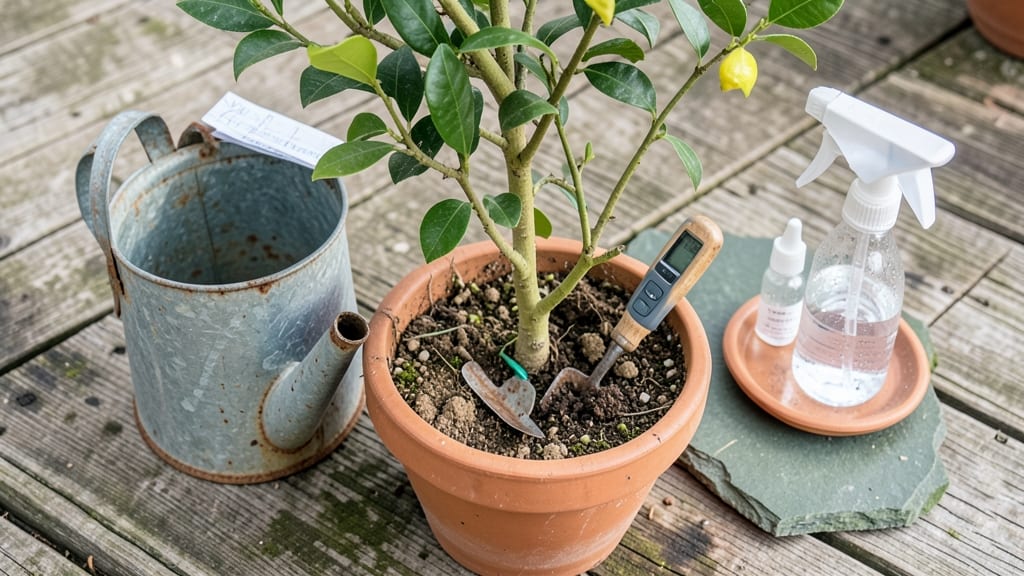
Your potted lemon tree losing leaves isn’t a death sentence—it’s a call for action. 🌿 I’ve nursed back more than my share of sad-looking citrus trees, and the fixes are simpler than you’d think, especially when root rot’s the culprit.
The key is acting fast before the roots turn to mush.
Overwatering is the #1 villain, but underwatering, pests, and even temperature swings can trigger leaf drops too. Start by checking the soil: if it smells sour or the pot feels soggy, you’ve got root rot. Drain the excess water immediately, then repot in fresh, gritty mix—citrus hates wet feet.
Within 2-3 weeks, you’ll see new growth if the roots are still salvageable. Prune any blackened stems, move the tree to bright but indirect light, and cut back on watering until the soil dries 2 inches deep between drinks. The smell of fresh citrus blossoms will be your reward.
For stubborn cases, a 1:10 hydrogen peroxide rinse (3% solution) for the roots can shock pests and fungus into submission. If the tree stays limp after a month, it might be time to consult a local nursery pro—but don’t give up yet!
Root Causes Behind Leaf Loss
When your potted lemon tree starts shedding leaves, it’s often a distress signal from the plant’s roots—or what’s happening above them. Understanding the why behind the leaf drop is the first step to saving your citrus tree.
Below, we break down the most common culprits, backed by science, so you can diagnose—and fix—the issue fast.
Potted lemon trees (Citrus × limon) thrive in well-draining soil, but when roots sit in soggy conditions, they suffocate. Overwatering is the #1 cause of leaf loss because it triggers root rot, a fungal or bacterial infection that blocks nutrient uptake.
- How it happens: Lemon trees need 60-70% soil moisture but never waterlogged roots.
If the pot lacks drainage holes or you water on a rigid schedule (e.g., every 2 days regardless of weather), excess moisture clogs soil pores, cutting off oxygen. - Science behind it: Anaerobic conditions (no oxygen) force roots to switch from aerobic respiration (efficient energy production) to fermentation (toxic to the plant).
Within days, roots turn mushy, and the tree sheds leaves to conserve energy. - Tell-tale signs: - Yellowing leaves with brown, mushy roots when checked. - Soil that smells sour or like rotten eggs. - Leaves wilting despite wet soil.
Pro tip 💡: Stick your finger 2 inches into the soil—if it’s damp, wait. If it’s bone-dry, water deeply but only until it drains from the bottom.
While overwatering drowns roots, chronic underwatering strangles them by drying out the soil’s moisture reserve. Lemon trees are drought-tolerant but not drought-loving—their shallow root systems need consistent hydration.
- How it happens: Skipping watering during hot spells or relying on "wait-until-soil-feels-dry" methods (without tracking depth) leads to osmotic stress.
Roots shrink to retain moisture, but the tree can’t absorb enough nutrients or water, causing leaves to drop. - Science behind it: When soil moisture drops below 30% field capacity, roots lose turgor pressure, and the tree’s abscisic acid (a stress hormone) signals leaves to fall to reduce water loss. - Tell-tale signs: - Crispy, brown leaf edges (unlike overwatering’s yellowing). - Soil pulling away from the pot edges. - Leaves curling upward (a classic drought symptom).
Pro tip 🌡️: Group potted lemon trees together in partial shade during summer to slow evaporation. Mulch with gravel or bark to retain moisture.
Even healthy lemon trees hate being repotted—their roots are sensitive to disturbance, and if they’re root-bound (circling the pot), they can’t access nutrients or water efficiently.
- How it happens: Roots grow in a circular pattern in pots. When they fill the container, they strangle each other, reducing surface area for water/oxygen uptake.
Repotting without loosening roots or using fresh, well-draining soil triggers shock. - Science behind it: Root-bound trees experience hypoxia (oxygen starvation) and nutrient competition between old and new roots.
The tree sheds leaves to reduce metabolic demand until roots adjust. - Tell-tale signs: - Roots circling the pot’s bottom when checked. - New growth stunting or dying back. - Leaves dropping within 2-4 weeks of repotting.
Pro tip ⏰: Repot in spring (before flowering) using a pot 2 inches wider than the current one. Score the root ball with a knife to encourage outward growth.
Hidden invaders like scale insects, spider mites, or fungal pathogens (e.g., Phytophthora root rot) can silently drain your lemon tree’s vitality, leading to leaf drop.
- How it happens: - Pests: Sap-sucking insects (like scale) inject toxins and block stomata (leaf pores), causing wilting and drop. - Fungi: Pathogens like Fusarium or Phytophthora thrive in compacted, wet soil, infecting roots and cutting off nutrient flow. - Science behind it: Infested trees mount a defense response, redirecting energy to fight pests instead of maintaining leaves.
Fungal infections clog xylem vessels, preventing water transport (a condition called vascular wilt). - Tell-tale signs: - Sticky residue (honeydew) on leaves (pests). - White, cottony mold on roots or soil surface (fungus). - Black spots on leaves or sudden wilting (vascular blockage).
Pro tip 🔥: Wipe leaves with neem oil (1 tsp per quart of water) weekly. For fungus, sterilize soil with a 30-minute bake at 180°F before repotting.
Lemon trees are tropical—they hate sudden temperature swings or poor light, which disrupts photosynthesis and nutrient cycles.
- How it happens: - Cold drafts (below 40°F) cause cold stress, damaging root cell membranes. - Direct sunburn (especially after moving indoors/outdoors) scalds leaves, leading to drop. - Low light (under 6 hours of sunlight) starves roots of photosynthates (sugars), weakening the tree. - Science behind it: Chill injury disrupts membrane integrity, while sunburn triggers oxidative stress (cell damage).
Low light reduces chlorophyll production, halting energy for root growth. - Tell-tale signs: - Brown, papery patches on leaves (sunburn). - Purple or red leaves (phosphorus deficiency from poor light). - Wilting even when soil is moist (root damage from cold).
Pro tip 🎯: Keep potted lemon trees in 60-85°F zones and rotate pots weekly for even sun exposure. Use frost cloth in winter if temps dip below 50°F.
How to Revive Your Droopy Lemon Tree
If your potted lemon tree is shedding leaves, don’t panic—most issues are fixable with the right care! Below, we’ll break down the most common causes and provide step-by-step solutions to bring your tree back to health.
Whether it’s overwatering, pests, or nutrient deficiencies, we’ve got you covered with practical fixes and prevention tips to keep your lemon tree thriving.
Signs: Yellowing leaves, mushy stems, foul-smelling soil, or root rot.
🔥 Fix It Fast
- Check the Soil Moisture
- Stick your finger 1-2 inches deep into the soil. If it’s soggy, your tree is overwatered. If dry, it’s time to water—but only if the topsoil is bone-dry.
- Repot in Well-Draining Soil - Remove the tree gently and inspect the roots.
If they’re black, mushy, or smelly, trim the damaged ones with sterilized scissors (🔪). - Repot in a fresh mix of: - 50% cactus/succulent soil (for drainage) - 30% perlite or pumice (to aerate) - 20% compost or worm castings (for nutrients) - Choose a pot with drainage holes—no exceptions!
- Adjust Your Watering Routine
- Water only when the top 1-2 inches of soil are dry (usually once every 1-2 weeks, depending on climate).
- Never let it sit in standing water—empty saucers after 10 minutes.
- Pro Tip: 🌡️ Use a moisture meter to avoid guesswork!
- Fungicide Treatment (If Needed)
- If root rot is severe, spray the roots with a hydrogen peroxide solution (1 part 3% peroxide to 4 parts water) or a copper-based fungicide before repotting.
💡 Prevention Tips
- Water deeply but infrequently—lemons hate wet feet!
- Use a self-watering pot with a reservoir to control moisture.
- Mulch lightly (1 inch of bark or straw) to retain even moisture without suffocating roots.
Signs: Crispy, brown edges on leaves, wilting, or leaf drop in hot weather.
🍳 Hydrate & Protect
- Water Thoroughly at the Base
- Soak the soil until water drains from the bottom. Repeat every 3-5 days in extreme heat (or daily if temperatures exceed 90°F/32°C).
- Provide Shade (But Not Too Much!)
- Lemon trees need 6-8 hours of sunlight daily, but afternoon shade (via a sheer curtain or outdoor umbrella) prevents scorching.
- Move pots indoors if temps hit 100°F/38°C for extended periods.
- Mist Leaves (But Not Too Much!)
- Lightly mist leaves early in the morning to combat dry air, but avoid soggy foliage (which invites fungal diseases).
- Boost Humidity Naturally
- Place the pot on a pebble tray with water (ensuring the pot isn’t sitting in water).
- Group it with other plants to create a micro-climate.
💡 Prevention Tips
- Water before the soil dries out completely—don’t wait until leaves crisp!
- Use drip irrigation for consistent moisture in extreme heat.
- Avoid cold drafts—lemons hate sudden temperature swings.
Signs: Sticky leaves, tiny webs, yellowing, or visible bugs on stems/undersides of leaves.
👨🍳 Pest Control Steps
- Isolate the Tree
- Move it away from other plants to prevent spreading.
- Blast Off Pests with Water
- Spray leaves forcefully with water to dislodge mites and aphids (repeat every 2-3 days).
- Apply Neem Oil (Best Organic Fix!)
- Mix 1 tsp neem oil + 1 tsp mild soap + 1 quart water. Spray all surfaces (top and bottom of leaves) every 5-7 days for 2 weeks.
- Reapply after rain—it washes off!
- Use Systemic Insecticide (For Severe Cases)
- Try imidacloprid (follow label instructions) if neem oil doesn’t work.
- Remove Heavily Infested Leaves
- Snip off badly damaged leaves with clean scissors and dispose of them (don’t compost!).
💡 Prevention Tips
- Inspect new plants before bringing them home.
- Encourage beneficial insects like ladybugs (they eat mites!).
- Keep your garden clean—remove fallen leaves/debris where pests hide.
Signs: Pale yellow leaves (nitrogen), yellow between veins (iron), or stunted growth (zinc).
🥗 Feed Your Lemon Tree
- Test the Soil
- Use a DIY soil test kit (or send a sample to a local nursery) to confirm deficiencies.
- Fertilize Correctly
- For nitrogen (pale leaves): Use a balanced citrus fertilizer (6-6-6 or 8-3-9) every 4-6 weeks in spring/summer.
- For iron (yellowing): Apply chelated iron (like Iron Chelate) or Epsom salt (1 tbsp per gallon of water, monthly).
- For zinc (stunted growth): Sprinkle zinc sulfate (1 tsp per gallon) around the base.
- Use Organic Boosters
- Fish emulsion (for nitrogen) or seaweed extract (for micronutrients) work wonders.
💡 Prevention Tips
- Fertilize only in growing season (spring-fall)—never in winter!
- Water before fertilizing to prevent root burn.
- Rotate fertilizers to avoid overloading one nutrient.
Signs: Sudden leaf drop after repotting, roots circling the pot, or stunted growth.
🔄 Repotting & Recovery
- Check Root Health
- If roots are circling or packed tightly, it’s time to upgrade the pot (go 1-2 inches larger in diameter).
- Loosen Roots Gently
- Before repotting, tease out tangled roots to encourage outward growth.
- Use Fresh, Airy Soil
- Mix 60% citrus soil + 30% perlite + 10% compost for optimal drainage.
- Trim Damaged Foliage
- Remove 1/3 of the oldest leaves to reduce stress on the tree.
- Keep It Stable
- Avoid watering for 3-5 days post-repot to prevent shock.
- Place in bright, indirect light for 1-2 weeks.
💡 Prevention Tips
- Repot every 2-3 years or when roots outgrow the container.
- Choose pots with room to grow—lemons hate being root-bound!
- Use a well-draining mix to prevent future stress.
With these fixes, your lemon tree should bounce back in 4-8 weeks! Monitor its progress, adjust care as needed, and soon you’ll be enjoying lush green leaves and sweet citrus fruits again. 🍋✨
Frequently asked questions
Why are my potted lemon tree leaves turning yellow first before falling?
Yellowing leaves before dropping is a classic sign of overwatering or nutrient deficiency. If the yellowing starts at the bottom and spreads upward, check for root rot (soggy soil, foul smell). For yellowing between veins, your tree may need iron—try a chelated iron spray or Epsom salt (1 tbsp per gallon of water). Adjust watering to let the top 2 inches of soil dry between drinks.
Is it normal for a potted lemon tree to lose leaves in winter?
Yes, but only if it's mild. Lemon trees naturally drop some leaves in winter due to reduced light and cooler temps. However, excessive leaf loss (more than 20% of foliage) signals stress—likely from dry indoor air or cold drafts. Keep your tree near a south-facing window (6+ hours of light) and maintain 60-70°F temperatures. A humidity tray with pebbles and water can help.
How can I tell if my lemon tree is root-bound or just underwatered?
Check the roots! Gently remove the tree from its pot—if you see roots circling tightly or growing out of drainage holes, it's root-bound. For underwatering, look for dry, brittle roots and soil that pulls away from the pot edges. Root-bound trees need repotting with fresh soil and a slightly larger container (1-2 inches wider). Underwatered trees need deep watering until it drains from the bottom.
Will pruning help my lemon tree recover from leaf loss?
Yes, but strategically! Prune only dead, yellow, or diseased leaves—never more than 1/3 of the foliage at once. This reduces stress and helps the tree redirect energy to new growth. Use sterilized scissors and cut just above a leaf node. Avoid heavy pruning during winter (dormant season) or extreme heat. After pruning, fertilize lightly with a balanced citrus fertilizer to support recovery.
How long does it take for a lemon tree to recover from leaf loss?
With proper care, you'll typically see new growth in 4-8 weeks. The timeline depends on the cause: root rot recovery may take longer (6-12 weeks) than fixing pests or adjusting watering. Monitor soil moisture daily and protect the tree from stress (like sudden temperature changes). If no improvement after 2 months, consult a local nursery pro—the issue might require deeper intervention (like soil replacement or fungicide treatment).