
Trees
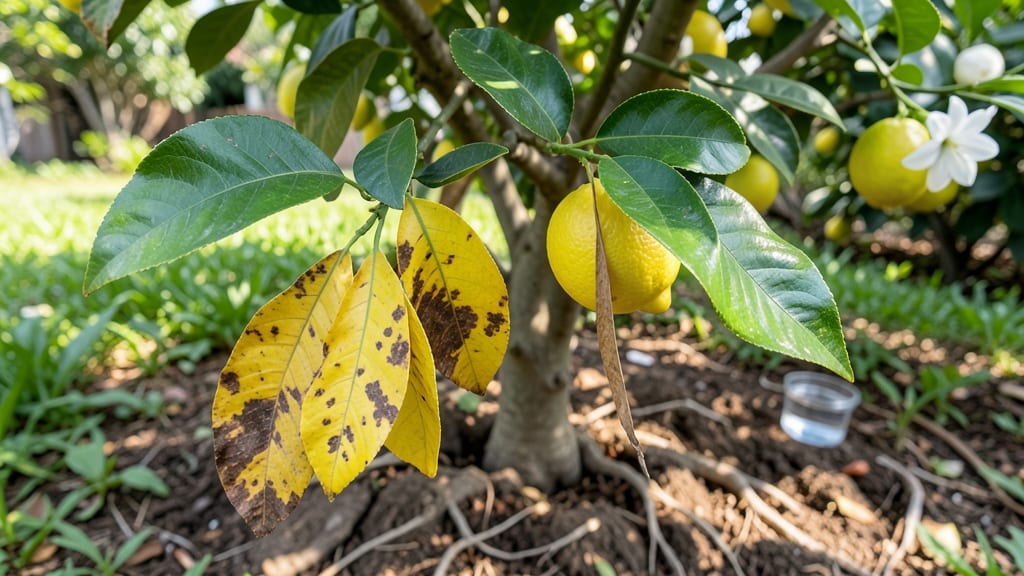
Your lemon tree shedding leaves isn't a death sentence—it's a wake-up call. 🌿 I've nursed back more than a few citrus trees from this exact spot, and the key is identifying the stressor first.
Too much water? Too little? Maybe pests or a hidden disease are stealing nutrients from the roots.
Start by checking the soil—it's dry, it's soggy, or it's just plain wrong. My rule of thumb? Stick your finger an inch deep: if it's dry, water deeply; if it's wet, hold off until it's crumbly.
Then inspect the leaves for pests like spider mites or scale insects hiding on the undersides. A strong spray of water can dislodge many of them.
Within weeks, you'll see new growth pushing through, and those bare branches will fill in with vibrant green. The secret is consistency: adjust your watering, fertilize lightly with citrus-specific nutrients, and keep the tree in bright, indirect light. No more guessing—just actionable steps to bring it back.
Works for both backyard trees and container-grown citrus. Let's get that canopy back to its lush best—your kitchen's fresh lemonade supply depends on it!
Root Causes Behind Dropping Foliage
If your lemon tree is shedding leaves, it’s often a cry for help—whether from environmental stress, poor care, or underlying health issues. Understanding the specific triggers behind the problem is the first step to saving your tree.
Below, we break down the most common reasons your citrus tree might be losing its leaves, complete with science-backed explanations and actionable clues to identify the issue.
Lemon trees (Citrus × limon) thrive in USDA Zones 9–11, where temperatures stay between 60–85°F (15–29°C). When exposed to extreme heat, cold snaps, or rapid temperature swings, their leaves may yellow, curl, and drop as a survival mechanism. Here’s why:
- Cold Damage: Below 30°F (-1°C), cell membranes in leaves rupture, causing chilling injury. This disrupts photosynthesis and triggers abscission (leaf drop) to conserve energy. 💡 Pro Tip: If your tree is in a colder zone, protect it with frost cloth or move potted trees indoors before winter.
- Heat Stress: Temperatures above 95°F (35°C) for prolonged periods cause protein denaturation in leaves, turning them brown and crispy. Lemon trees also suffer from water loss through transpiration, which they can’t compensate for in dry heat.
- Wind Burn: Strong winds dry out leaves faster than roots can supply water, leading to desiccation and premature shedding. Coastal or open-area trees are especially vulnerable.
How to Spot It: Check for:
- Brown, papery edges on leaves (heat stress).
- Blackened or mushy leaves (freeze damage).
- Leaves curling inward like a "taco" (wind or cold shock).
Lemon trees are drought-tolerant but not flood-resistant. Their roots need consistent moisture to absorb nutrients, but poor watering habits—whether underwatering or overwatering—disrupt this balance, leading to leaf loss.
| Issue | Why It Happens | Signs to Watch For |
|---|---|---|
| Underwatering | When soil dries out, roots can’t transport water and nutrients. The tree sheds leaves to reduce water loss via transpiration. | Crispy, dry leaves; soil pulls away from pot edges; wilting even when watered. |
| Overwatering | Soggy soil cuts off oxygen to roots, causing root rot (fungal/bacterial infections like Phytophthora). The tree drops leaves to "lighten the load" and conserve energy. | Yellowing leaves with brown spots; mushy, foul-smelling roots; mold on soil surface. |
| Inconsistent Watering | Fluctuating moisture levels stress roots, disrupting nutrient uptake. Leaves drop as a last-resort survival tactic. | Leaves with uneven browning; soil that’s sometimes bone-dry, other times soggy. |
Fix It: Water when the top 1–2 inches of soil are dry. Use well-draining soil (e.g., a mix of potting soil, perlite, and sand) and ensure pots have drainage holes. 🔥 Hot Tip: Mulch around the base to retain moisture and regulate soil temperature.
Lemon trees are sun-lovers but can’t handle sudden changes in light. Too little or too much sunlight disrupts their chlorophyll production, leading to weak leaves that eventually drop.
- Too Little Light: In low light, leaves grow etiolated (long, pale, and weak) due to a lack of photosynthesis. The tree sheds them to redirect energy to new growth.
- Too Much Direct Sun: Intense afternoon sun (especially in hot climates) causes sunburn. Leaves develop white or brown patches and drop to prevent further damage.
- Sudden Light Changes: Moving a potted tree from shade to full sun (or vice versa) without acclimation shocks the plant, leading to leaf scorch and abscission.
How to Fix It:
- Gradually introduce trees to more sunlight (or shade) over 7–10 days.
- Provide dappled shade (e.g., sheer curtains, lattice screens) for trees in harsh afternoon sun.
- Rotate potted trees weekly to ensure even light exposure.
Lemon trees are heavy feeders and require a balance of nitrogen (N), phosphorus (P), potassium (K), and micronutrients like iron, zinc, and magnesium. Deficiencies disrupt cellular functions, leading to leaf drop and poor growth.
| Deficiency | Symptoms | Cause |
|---|---|---|
| Nitrogen (N) | Yellowing leaves (starting at the bottom), stunted growth. | Poor soil, overwatering (leaches N), or lack of organic matter. |
| Iron (Fe) | Yellow leaves with green veins (chlorosis), especially in alkaline soil. | Alkaline soil (pH >7.0) locks out iron; common in clay or limestone-heavy soils. |
| Potassium (K) | Brown edges on leaves ("scorched" appearance), weak stems. | Overwatering, poor-quality fertilizer, or compacted soil. |
| Magnesium (Mg) | Interveinal yellowing (between veins), starting on older leaves. | Acidic soil or excessive potassium fertilization. |
Action Steps:
- Test your soil’s pH (ideal: 6.0–7.0 for lemon trees). Amend with sulfur to lower pH if needed.
- Use a balanced citrus fertilizer (e.g., 6-6-6 or 8-3-9) every 4–6 weeks during growing season.
- For iron deficiency, apply chelated iron or use acidic fertilizers like Epsom salt (magnesium sulfate).
- Add compost or worm castings to improve soil structure and nutrient availability.
Hidden invaders like root rot, aphids, spider mites, or citrus leaf miners can drain your tree’s vitality, causing leaves to yellow and drop. Here’s how to identify them:
- Root Rot (Phytophthora, Fusarium):
- <
Revive Your Lemon Tree Today
Watching your lemon tree lose leaves can feel like a slow-motion disaster, but the good news is that most causes have simple fixes—if you act quickly.
Below, we’ve mapped out practical solutions for each common reason your tree is shedding, along with prevention tips to keep those vibrant leaves (and lemons!) thriving.
If your lemon tree’s roots are drowning, yellowing leaves and droopiness follow. Here’s how to rescue it:
🔥 Step 1: Check the Soil - Stick your finger 2-3 inches deep into the soil.
If it’s soggy (like a damp sponge), you’re overwatering. - Pro Tip: 🌡️ Use a moisture meter for accuracy—most lemon trees prefer soil that’s dry to the touch at the top layer before watering again.
👨🍳 Step 2: Adjust Your Watering Routine
- Water deeply but less often—aim for 1-2 times per week (adjust for climate: more in summer heat, less in winter).
- Never let it sit in standing water. If your pot lacks drainage holes, repot immediately into one with holes or add a layer of gravel at the bottom.
⏰ Step 3: Improve Soil Aeration
- Mix perlite or coarse sand into the soil (20-30%) to help excess water drain away.
- If your tree is in the ground, consider amending the soil with compost to boost drainage.
💡 Prevention: Water in the early morning so leaves dry quickly, reducing fungus risks.
Lemon trees love sunlight but can scorch in intense heat or direct afternoon sun. Here’s how to cool them down:
🌿 Step 1: Provide Partial Shade
- Move potted trees to a spot with morning sun and afternoon shade (e.g., under a patio umbrella or near a sheer curtain).
- For in-ground trees, plant near a wall or fence that reflects sunlight gently.
💦 Step 2: Boost Hydration During Heatwaves
- Water more frequently in extreme heat (check soil daily).
- Mist leaves lightly in the evening to raise humidity (avoid soaking them).
🍃 Step 3: Mulch the Roots
- Spread 2-3 inches of mulch (wood chips or straw) around the base to retain moisture and regulate soil temperature.
✨ Prevention: If relocating isn’t an option, train young trees to grow near natural shade (like taller trees or buildings).
Brown, crispy leaves with black spots or sticky residue? Pests or fungi are likely the culprits.
🔪 Step 1: Identify the Problem
- Powdery mildew? Look for white, powdery patches on leaves.
- Scale insects? Check for brown bumps on stems or leaves.
- Aphids? Tiny green/black bugs clustering on new growth.
🧼 Step 2: Treat It Naturally
- For fungi: Spray leaves with a 1:10 water-vinegar mix or neem oil (follow label instructions).
- For pests: Wipe leaves with soapy water (1 tsp mild soap per quart of water) or introduce ladybugs (natural predators).
- Severe cases? Use horticultural oil (like dormant oil) for stubborn infestations.
🌱 Step 3: Prune and Isolate
- Trim infected leaves with clean pruners (sterilize with rubbing alcohol).
- Isolate the tree until treated to prevent spreading.
🎯 Prevention:
- Space trees properly (3-6 feet apart) for airflow.
- Water at the base (avoid wetting leaves) to deter fungi.
Lemon trees are tropical—they hate sudden cold snaps or drafts. Here’s how to safeguard yours:
🏠 Step 1: Move Indoors (Temporary Fix)
- Bring potted trees inside near a sunny window (60°F+ is ideal).
- If outdoors, cover with frost cloth at night.
🌡️ Step 2: Insulate the Roots
- Wrap the pot in bubble wrap or mulch heavily around the base.
- For in-ground trees, pile mulch 6+ inches deep around the root zone.
🌿 Step 3: Gradual Acclimation (For Outdoor Trees)
- If moving back outside, harden off the tree over 7-10 days by exposing it to increasing sunlight/drafts.
💡 Prevention: If you live in a cold climate, grow lemon trees in pots for easy winter relocation.
Yellow leaves with green veins? It’s likely a nitrogen deficiency. Brown edges? Too much salt from fertilizer.
📊 Step 1: Test Your Soil
- Use a DIY soil test kit (available at garden centers) to check pH and nutrient levels.
- Lemon trees prefer slightly acidic soil (pH 6.0-7.0).
💪 Step 2: Fertilize Smartly
- For deficiency: Use a balanced citrus fertilizer (6-6-6 or 8-3-9 ratio) every 4-6 weeks in growing season.
- For over-fertilizing: Flush the soil with water to leach excess salts, then repot with fresh soil if needed.
🥗 Step 3: Feed the Roots Right
- Avoid synthetic fertilizers—opt for organic options like composted manure or fish emulsion.
- Slow-release pellets (like Osmocote) reduce burn risks.
🌿 Prevention: Fertilize lightly in winter (growth slows) and avoid fertilizing stressed trees.
Final Thought: Most lemon trees recover within 2-4 weeks of proper care. Act fast on water, light, and pests, and your tree will bounce back with a lush, lemon-producing canopy in no time! 🍋✨
Frequently asked questions
Why does my lemon tree drop leaves in winter even when it's indoors?
Lemon trees naturally shed leaves during their dormant season (winter), even indoors. Temperatures below 60°F (15°C) or sudden light changes trigger this response. Keep it near a south-facing window with 12+ hours of light daily and maintain 50-60% humidity using a pebble tray or humidifier.
How long does it take for a lemon tree to recover after fixing watering issues?
With corrected watering, most lemon trees show new growth within 2-4 weeks. Focus on keeping the top 2 inches of soil consistently moist (not soggy) and avoid fertilizing until you see fresh leaves. Patience is key—don't prune until you confirm healthy root regrowth.
Can I save a lemon tree if half its leaves are already gone?
Yes! Many trees recover fully even after heavy shedding. The key is acting fast: adjust watering, check for pests, and move it to bright, indirect light. If roots are healthy (no foul smell), new leaves will sprout from buds along branches within 3-6 weeks.
Will my lemon tree produce fruit if it's shedding leaves?
Probably not this season—but don't panic! A healthy tree will focus energy on regrowing leaves first. Once the canopy recovers (typically 4-8 weeks), it can resume fruiting. Young trees (3 years old) may need 1-2 years to recover full production after stress.
How do I tell if my lemon tree is dying vs. just stressed?
Check these signs: Dying = blackened stems, no buds, foul-smelling roots. Stressed = mostly green stems, leaf buds swelling, and roots that smell earthy. If you see new leaf growth within 2 weeks of care adjustments, it's just stressed—not dead.