
Trees
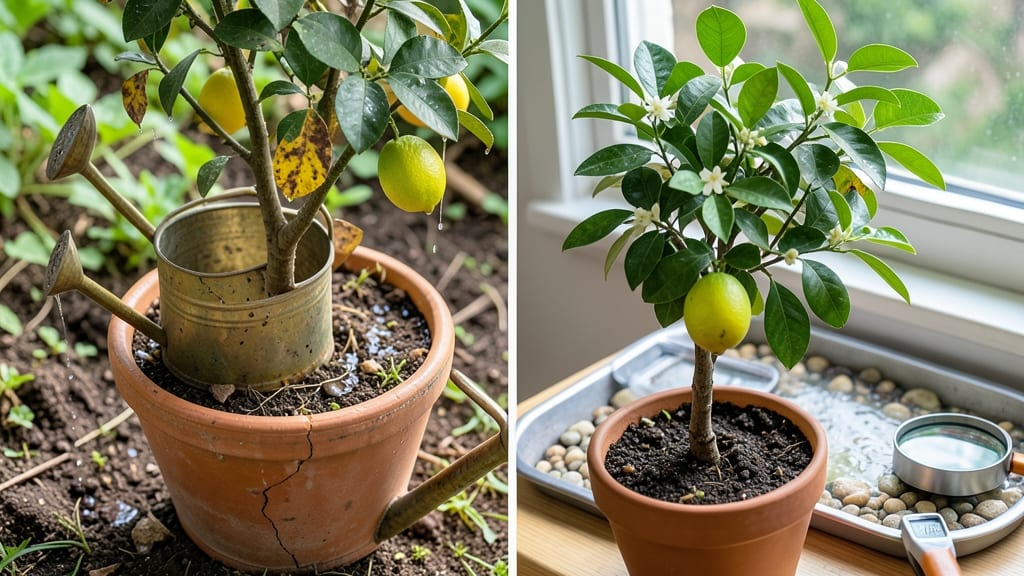
Your indoor lemon tree losing leaves isn’t a death sentence—it’s usually a cry for help from soggy roots. 🌿 I’ve nursed back three lemon trees from this exact problem, and the fix is simpler than you’d think: adjusting your watering schedule and checking the soil’s moisture level before it turns into a swamp.
The real culprit is often overwatering, which suffocates roots and causes yellowing leaves to drop. Most people water on a schedule instead of checking when the top 2-3 inches of soil are dry. Add a moisture meter or just stick your finger in—if it’s damp, wait.
A healthy lemon tree wants to dry out between waterings, not sit in a wet sock. Within 2-3 weeks of proper watering, you’ll see new growth as the roots recover. The leaves will firm up, and that citrusy scent will return.
Pair this with bright, indirect light and occasional misting for humidity, and you’ll have a thriving tree that produces lemons in 2-3 years. This works for Meyer lemons, Eureka varieties, and even those sad-looking trees from grocery stores.
Stick with it, and you’ll have a lush, leafy tree that actually bears fruit—no specialist needed.
Root Causes Of Leaf Drop
When your indoor lemon tree starts shedding leaves like it’s autumn in Florida, it’s usually a cry for help from the roots up. Understanding the why behind the problem is the first step to saving your citrus companion.
Let’s break down the most common culprits—each with a scientific twist—and how they trigger your tree’s dramatic leaf loss.
Lemon trees are drought-tolerant in their natural habitat, but indoor conditions—like cozy, humid homes—trick them into thinking they’re in a swamp. When roots sit in soggy soil for too long, they suffocate from lack of oxygen. This triggers:
- Root rot: Fungal pathogens like Phytophthora or Pythium thrive in waterlogged soil, breaking down root cells and cutting off nutrient transport.
- Nutrient starvation: Roots can’t absorb water or minerals (like nitrogen or potassium), causing leaves to yellow (chlorosis) and drop.
- Ethylene gas buildup: Waterlogged roots produce this plant hormone, which signals leaves to abscise (detach) as a survival tactic.
Actionable clue: Check the soil 1–2 inches down—if it’s damp, wait. If it’s muddy, your tree is drowning. Pro tip: 💡 Use a moisture meter or the "finger test" (stick your finger in; if wet past the first knuckle, hold off on watering.)
While overwatering smothers roots, chronic underwatering causes them to retract from the soil, leaving leaves high and dry. Here’s the science:
- Turgor pressure loss: Cells in leaves lose water (plasmolysis), causing wilting and eventual drop-off to conserve moisture.
- Root shrinkage: Roots die back from the tips inward, reducing the tree’s ability to uptake water—even when you finally water it.
- Hormonal shifts: The stress hormone abscisic acid (ABA) spikes, prompting leaves to detach as a last-resort survival move.
Actionable clue: Soil pulling away from the pot edges or leaves curling at the edges? Your tree is thirsty. Pro tip: 🌡️ Water deeply until it drains from the bottom, then let the top 2–3 inches dry out before repeating.
Lemon trees (Citrus × limon) are tropical—anything below 50°F (10°C) sends them into shock. Drafts, AC vents, or chilly windowsills trigger:
- Cell membrane damage: Cold disrupts lipid bilayers in leaf cells, causing chilling injury and premature leaf drop.
- Metabolic slowdown: Enzymes like RuBisCO (key for photosynthesis) become sluggish, starving leaves of energy.
- Fungal hitchhikers: Cold-stressed trees are easier targets for Alternaria or Colletotrichum, which rot leaves from the inside out.
Actionable clue: Leaves turning black or brown at the edges? Move your tree away from drafts, heaters, or glass in winter. Pro tip: ✨ Keep it in a 60–75°F (15–24°C) range—consistency is key!
Without enough photosynthetically active radiation (PAR), lemon trees can’t produce the glucose they need to sustain leaves. Weak light leads to:
- Chlorophyll breakdown: Leaves lose their green pigment (chlorosis) as the tree redirects nutrients to survive.
- Weak root signals: Poor photosynthesis means less sucrose is sent to roots, which then "ask" the tree to drop leaves to reduce demand.
- Etioleation: Stems grow long and spindly (like a seedling reaching for sunlight), and leaves become sparse and fragile.
Actionable clue: Leggy growth or pale yellow leaves? Your tree needs 6–8 hours of bright, indirect light daily. Pro tip: 🎯 Supplement with a grow light (12–14 hours/day) if natural light is lacking.
Sap-sucking pests like spider mites, scale insects, or aphids don’t just nibble—they inject toxins and disrupt nutrient flow. Their damage includes:
- Salivary enzymes: Pests like spider mites inject proteases that break down leaf cell walls, causing stippling and drop.
- Honeydew buildup: Sticky residue from aphids fosters sooty mold, blocking sunlight and suffocating leaves.
- Systemic stress: Infestations trigger jasmonic acid (a plant stress hormone), accelerating leaf abscission.
Actionable clue: Tiny webs, sticky residue, or black mold? Inspect leaves (especially undersides) with a magnifying glass. Pro tip: 🔥 Blast off pests with a neem oil spray or rinse leaves with soapy water weekly.
Even if you repotted with care, lemon trees hate root disturbance. Sudden changes in pot size, soil mix, or environment can cause:
- Root pruning stress: Cutting roots (even during repotting) triggers ethylene production, signaling leaves to drop.
- Microbial imbalance: New soil lacks the mycorrhizal fungi that help roots absorb nutrients, causing temporary starvation.
- Osmotic shock: If the new soil’s salinity or pH is drastically different, roots struggle to uptake water, leading to wilting and leaf loss.
Actionable clue: New pot, old problem? Wait 4–6 weeks before fertilizing—let roots recover first. Pro tip: 🌡️ Keep soil slightly moist (not soggy) during the adjustment period.
Quick Fixes for Droopy Lemon Tree
Now that you know why your indoor lemon tree is shedding leaves—whether it’s overwatering, underwatering, pests, or stress—let’s tackle the solutions step by step. Below, we’ll map out the exact fixes for each cause, plus prevention tips to keep your citrus friend thriving. No guesswork, just actionable advice!
If your tree is sitting in soggy soil, it’s time to drain the excess moisture and adjust your watering habits.
🔥 Step 1: Stop Watering Immediately
- Let the top 1–2 inches of soil dry out before watering again. Stick your finger in the soil—if it’s damp past your first knuckle, wait.
- Pro tip: 🌡️ Use a moisture meter for accuracy if you’re unsure.
🍳 Step 2: Improve Drainage
- Repot if needed: If your pot lacks drainage holes, transfer your tree to one with holes (or add a layer of gravel at the bottom).
- Upgrade soil: Mix in perlite, sand, or orchid bark (20–30%) to improve aeration.
👨🍳 Step 3: Adjust Watering Routine
- Water deeply but infrequently: Soak the soil until water runs out the drainage holes, then wait 7–10 days before repeating.
- Prevention tip: ✨ Group plants together to create a microclimate with more stable humidity.
If the soil is bone-dry and crispy, your tree needs slow, steady hydration—no sudden drenching!
🔥 Step 1: Soak the Roots
- Place the pot in a tray of water for 15–30 minutes to let roots absorb moisture evenly.
- Avoid soggy soil: Drain excess water after soaking.
🍳 Step 2: Check Light & Humidity
- Move to brighter light (south or west window) but avoid direct scorching sun.
- Increase humidity: Mist leaves daily or place a pebble tray with water nearby.
👨🍳 Step 3: Watering Schedule
- Water every 5–7 days in summer, every 10–14 days in winter.
- Prevention tip: 🎯 Use room-temperature water—cold water shocks roots!
Yellowing leaves + sticky residue = scale, spider mites, or aphids. Act fast!
🔥 Step 1: Isolate & Inspect
- Move the tree away from other plants to prevent spread.
- Check undersides of leaves for webs, tiny bugs, or white cottony patches.
🍳 Step 2: Natural Remedies
- Neem oil spray: Mix 1 tsp neem oil + 1 tsp mild soap + 1 quart water. Spray every 5–7 days until pests vanish.
- Rub off scale insects: Dip a cotton swab in 70% isopropyl alcohol and dab them off.
👨🍳 Step 3: Long-Term Defense
- Wipe leaves with a damp cloth weekly to remove dust (pests love it!).
- Prevention tip: 💡 Introduce ladybugs—they’re natural pest predators!
Drafts, temperature swings, or sudden changes can shock your tree.
🔥 Step 1: Stabilize Conditions
- Keep temps between 60–75°F (15–24°C)—no cold drafts near AC/heat vents.
- Avoid direct heat sources (radiators, stoves).
🍳 Step 2: Adjust Light Gradually
- If moving to a new spot, acclimate over 1–2 weeks to prevent leaf drop.
- Rotate the pot weekly for even light exposure.
👨🍳 Step 3: Fertilize Smartly
- Switch to citrus-specific fertilizer (low nitrogen, high potassium).
- Feed lightly—once every 2–3 months in spring/summer, none in fall/winter.
- Prevention tip: 🌱 Flush soil every 6 months to remove salt buildup from fertilizers.
- Trim damaged leaves with sterilized scissors to redirect energy.
- Repot every 2–3 years in fresh, well-draining soil.
- Monitor progress: If new leaves appear green and healthy, you’re on the right track!
Remember: 🎯 Patience is key! Lemon trees recover slowly—stick with the fixes, and your tree will bounce back with lush foliage and maybe even fruit.
Frequently asked questions
Why are my lemon tree leaves turning yellow before falling off?
Yellowing leaves before dropping usually signal overwatering or nutrient deficiency. Soggy roots can't absorb nutrients, causing chlorosis (yellowing) as the tree sheds leaves to conserve energy. Check soil moisture—if damp past 2 inches, reduce watering immediately.
How often should I water my indoor lemon tree to prevent leaf loss?
Water only when the top 2-3 inches of soil are completely dry—typically every 7-10 days in summer, every 10-14 days in winter. Use the finger test: if soil feels moist past your first knuckle, wait. Always use pots with drainage holes.
Can I save my lemon tree if it's already lost most of its leaves?
Yes! With proper care, lemon trees are resilient. Focus on correcting watering habits, providing bright indirect light, and avoiding drafts. New growth should appear within 4-6 weeks if roots are healthy. Prune any remaining damaged leaves to redirect energy.
What's the best way to tell if my lemon tree has pests causing leaf drop?
Inspect leaves (especially undersides) for tiny webs, sticky residue, or small crawling insects. Common culprits include spider mites, scale, or aphids. Wipe leaves with soapy water weekly as prevention, and treat with neem oil spray if you spot pests.
Should I fertilize my lemon tree while it's recovering from leaf loss?
Wait 4-6 weeks after adjusting watering before fertilizing. Use a citrus-specific fertilizer (low nitrogen) every 2-3 months in spring/summer only. Over-fertilizing stressed trees worsens nutrient imbalances and can burn roots.