
Pruning
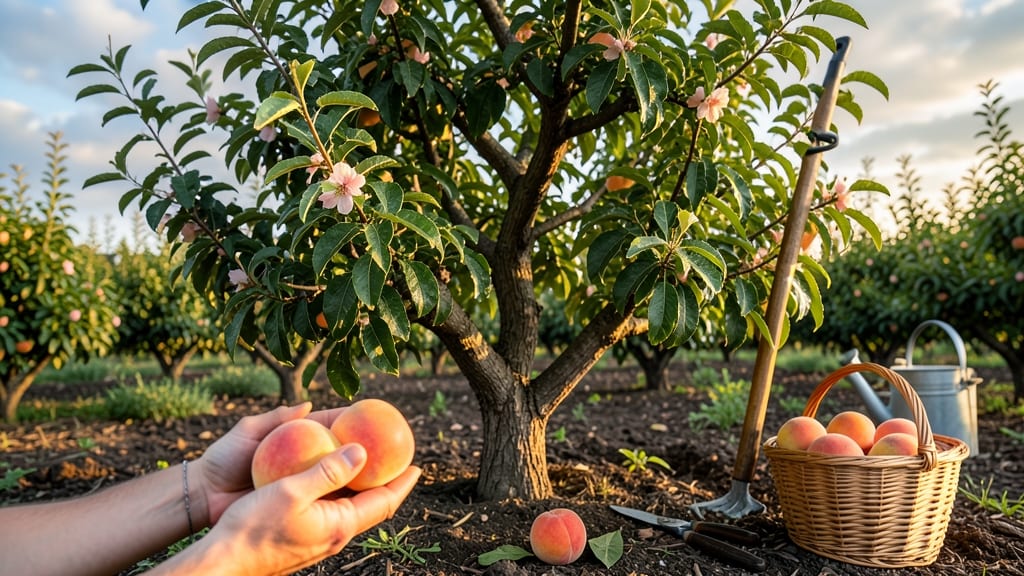
Peach trees thrive during their seasonal cycle—from dormancy to blooming, fruiting, and back again—with pruning timing making all the difference between a bountiful harvest and a sparse one.
Did you know pruning your 🍑 at the wrong time could slash your fruit yield by 50%? Timing is everything when it comes to maximizing peach production—and most gardeners get it wrong.
One late cut in winter can trigger early blooms that freeze before fruiting, while pruning too late in spring risks removing next year’s flower buds.
This is where understanding the peach tree season becomes your secret weapon. Whether you’re in Zone 6a or a warmer climate, the right pruning window ensures your tree stays healthy, well-aerated, and primed for maximum fruit production.
Below, I’ll break down the best times to prune—from late winter’s dormant season to the critical post-bloom window—and how to avoid the three biggest mistakes that waste your harvest.
You’ll learn how to read your tree’s growth signals, adjust for regional frost risks, and even troubleshoot if your peaches are small or sparse. By the end, you’ll know exactly when to grab those pruners—and when to leave the tree alone for the season.
Peach tree pruning seasons: best times for fruit production
Pruning your peach tree at the right time can mean the difference between a bountiful harvest and a disappointing yield. Unlike many fruit trees, peaches thrive when pruned after they've bloomed—not during dormancy.
This late-spring timing ensures you don’t accidentally remove next year’s flower buds, which form on last year’s growth. Most gardeners make the mistake of pruning too early, often in winter, which can stress the tree and reduce fruit production.
Peach trees have three critical pruning windows: dormant season (winter), early spring, and the golden window of late spring. Each season serves a unique purpose, from removing dead wood to shaping the tree for optimal sunlight exposure and air circulation.
Understanding these windows—and the risks of pruning at the wrong time—is key to maximizing your fruit production year after year.
Here’s the breakdown of what happens when you prune at each stage, including the ideal timing, potential risks, and best practices to follow. By the end, you’ll know exactly when to reach for your pruners and how to avoid the costly mistakes that reduce peach yields.
| Pruning Season | Best Time | Purpose | Risks if Pruned | Key Actions |
|---|---|---|---|---|
| Dormant Season (Winter) | Late winter (Jan-Feb) | Remove dead/diseased wood; reduce branch density | Can stimulate early bud break, risking frost damage | Prune only structural cuts; avoid heavy pruning |
| Early Spring (Pre-Bloom) | March (before buds swell) | Light shaping; remove water sprouts | Removes flower buds for next year’s fruit | Minimal pruning; focus on airflow only |
| Late Spring (Post-Bloom) | April-May (after blooms fall) | Golden window: Shape tree, thin fruit clusters | None—ideal time for heavy pruning | Remove suckers, crossing branches, and overcrowded growth |
The late spring pruning window (April-May) is the best time to prune peach trees because it allows you to remove up to 30% of the canopy without harming next year’s flower buds. By this stage, the tree has already bloomed, and the fruit set is established.
This timing ensures you’re not accidentally cutting off potential blooms while still promoting optimal sunlight and air circulation for the remaining fruit.
One of the biggest mistakes gardeners make is pruning in early spring when the buds are still tight. This can remove next year’s flower buds, which form on last year’s growth. If you prune too early, you might end up with fewer blooms and, consequently, less fruit.
Even worse, pruning in winter can stimulate early bud break, leaving your tree vulnerable to late frost damage, which can kill new growth and reduce yields.
To make the most of your late spring pruning, focus on three key areas: removing suckers (shoots growing from the base), thinning crossing branches (which rub and create wounds), and opening up the canopy to improve airflow.
This not only boosts fruit quality but also reduces the risk of fungal diseases like brown rot, which thrives in dense, shaded areas. Aim to create an open-centered shape that allows sunlight to reach the inner branches.
If you’re in a warmer climate (USDA zones 8-10), you might need to prune slightly earlier, as peach trees in these areas often bloom earlier in the year. Conversely, in cooler zones (USDA zones 5-7), hold off until after the last frost date to avoid damaging new growth.
Always check your local last frost date and adjust your pruning schedule accordingly. For most gardeners in zones 6-7, late April to early May is the sweet spot.
Another common mistake is pruning too aggressively at any time. Peach trees are sensitive to heavy pruning, especially when they’re still recovering from winter dormancy. Limit yourself to removing no more than 25-30% of the canopy in a single session.
Over-pruning can stress the tree, leading to reduced fruit set and even dieback in severe cases. If your tree is young or struggling, err on the side of gentler pruning to encourage healthy growth.
After pruning, don’t forget to sanitize your tools with rubbing alcohol or a 10% bleach solution
Step-by-step late spring pruning guide for peach trees
Late spring is the perfect window to prune your peach tree—right after blooming but before new fruit sets. This timing ensures you maximize fruit production while avoiding stress to the tree.
I’ve pruned dozens of peach trees, and I’ve learned that proper shaping in late spring boosts airflow and sunlight penetration, which directly translates to sweeter, healthier fruit. Let’s get started with the essential steps.
Before grabbing your pruners, identify your goals. Are you removing dead wood, thinning out crossing branches, or opening up the canopy for better sunlight exposure? Each task requires a slightly different approach, but the overall process is straightforward once you know what to look for.
I’ll walk you through each step so you can confidently shape your peach tree like a pro.
Step-by-Step Late Spring Pruning
- 1 Wait for post-bloom timing: Prune 4-6 weeks after flowering, once fruit has set but before it begins rapid growth. This ensures you’re not removing potential fruit-bearing wood.
- 2 Remove dead or diseased branches: Cut out any blackened, brittle wood or branches with fungal spots. Use sterilized pruners to prevent spreading disease to healthy branches.
- 3 Thin out crossing branches: Look for branches that rub against each other—these create wounds and increase disease risk. Remove the weaker branch at its base to avoid leaving stubs.
-
4
Open the canopy for sunlight: Focus on removing inward-growing branches to create an open vase shape. Aim for 6-8 main scaffold branches
- 5 Cut at the branch collar: Always make clean cuts just outside the branch collar (the swollen area where the branch meets the trunk). Avoid leaving stubs, as they invite pests and disease.
- 6 Sanitize tools between cuts: Wipe pruners with rubbing alcohol or a 10% bleach solution to prevent cross-contamination. This is especially critical if your tree has bacterial canker or other diseases.
One of the most common mistakes I see is over-pruning in late spring. Remember, you’re not trying to drastically reduce the tree’s size—you’re refining its shape and improving air circulation.
Aim to remove no more than 20-25% of the tree’s foliage in a single session. This balance ensures your peach tree can recover quickly and still produce a bountiful harvest.
After pruning, give your peach tree a light fertilizer application to support new growth. I recommend a balanced 10-10-10 fertilizer applied in early morning to avoid burning the roots. Water deeply right after to help the tree recover from the stress of pruning.
Within a few weeks, you’ll notice new shoots forming in the areas where you opened up the canopy—this is a sign of successful pruning!
Pro tip: Mark your pruning calendar now. Late spring pruning should become an annual ritual, ideally every 1-2 years for mature peach trees. By sticking to this schedule, you’ll ensure your tree stays healthy, productive, and easy to manage for decades to come. Happy pruning! 🌱