
Size
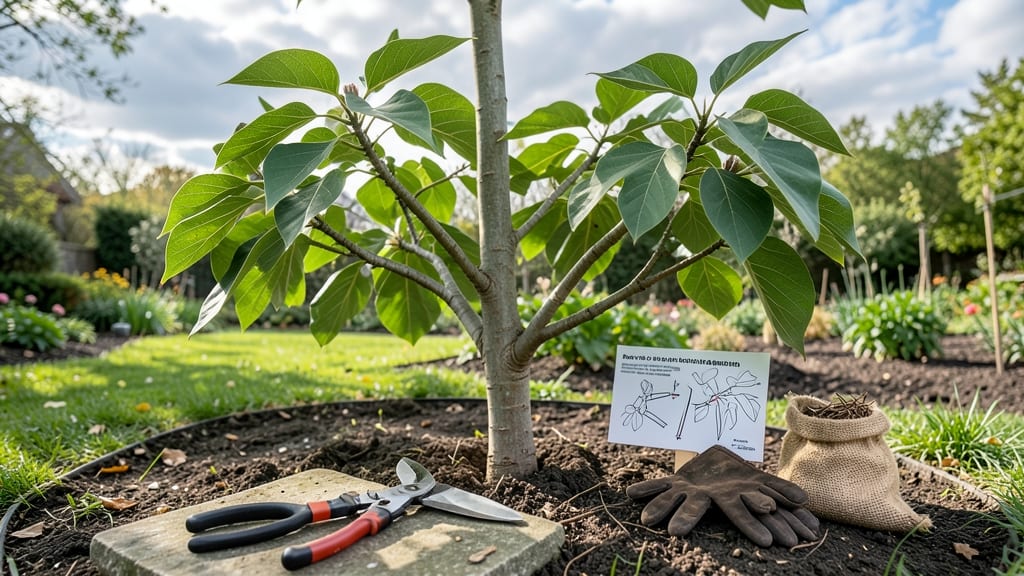
How to stop a pawpaw tree from growing too tall when you'd rather enjoy its tropical fruit at eye level. ✨ The secret to keeping it manageable isn't complicated—just smart pruning that respects its natural shape while controlling height. I've wrestled with overgrown pawpaws before, and these three steps make the difference between a towering jungle and a well-behaved tree you can actually harvest from.
You'll need sharp pruners, a ladder (for higher branches), and a clear sunny day to work. Pawpaws respond best to pruning in late winter or early spring, before new growth starts.
The goal is to remove no more than 25% of the tree's canopy each year—any more risks stressing the tree and reducing fruit production. Focus on removing upward-growing branches first, as these are the ones that cause the tree to shoot skyward.
Within a season, you'll notice the tree filling out more horizontally, with stronger branches at a better height. The fruit production stays steady (or even improves) because you're encouraging the tree to focus its energy on the branches that already produce well.
Plus, you'll avoid the frustration of trying to pick fruit from a 20-foot ladder every summer.
This method works for both young trees and established pawpaws, though younger trees respond faster. For container-grown pawpaws, you can prune more aggressively since they have limited root space to support rapid vertical growth.
The key is consistency—just a little attention each year keeps the tree in check without sacrificing those delicious custard-like fruits.
📚 In This Guide
- What you need
- Instructions
- Tips and common mistakes
- Wrapping up and next steps
What you need
- ● Pruning shears (bypass or anvil type) – Choose sharp, high-quality shears (4-6" blade) for clean cuts on small branches.
- ● Loppers (for thicker branches) – 8-10" bypass loppers with ergonomic handles for branches up to 2" in diameter.
- ● Pruning saw (for large branches) – A curved-tooth saw for branches over 2" thick (avoid tearing bark).
- ● Gloves (cut-resistant) – Heavy-duty leather or mesh gloves to protect hands from thorns and rough bark.
- ● Disinfectant (70% rubbing alcohol or bleach solution) – 1 part bleach to 9 parts water to sterilize tools between cuts and prevent disease.
- ○ Rope or extension pole – A 10-15 ft. reachable pole with a hook or basket for high branches (optional but helpful!).
- ● Heavy-duty trash bags – For collecting pruned branches and debris.
- ● Step ladder (if needed) – A stable, non-slip ladder rated for your height (324 lbs. capacity minimum).
- ● Hand pruners with a crimping tool – For sealing larger cuts and reducing sap bleed.
- ● Tree wound dressing (pruning sealant) – Use sparingly (only on very large cuts); research shows it’s often unnecessary.
- ● Safety glasses – Protects eyes from debris, especially when using a saw.
- ● Work boots with ankle support – For stability on uneven ground.
- ● Spray bottle with water – Keeps tools cool and prevents sap from gumming up blades.
How to prune a paw paw tree for compact growth
Here's my go-to method for keeping your paw paw tree manageable without sacrificing fruit production.
✂️ Step 1: Time Your Pruning for Best Results
Prune your paw paw tree during late winter or early spring, just as buds begin to swell but before new growth starts. This timing ensures you remove unwanted branches when the tree is dormant, minimizing stress and disease risk. Avoid pruning in fall—it can stimulate tender new growth that won't survive winter.
Look for three main branches emerging from the trunk's base. These will form your tree's central structure. Any additional upright branches growing straight up from the trunk should be your first targets for removal. Use clean, sharp pruning shears to make cuts at a 45-degree angle, just above a bud or lateral branch.
✂️ Step 2: Remove Vertical Growth to Encourage Bushiness
Focus on eliminating water sprouts—those fast-growing, vertical shoots that shoot up from the trunk or main branches. These compete with fruit-bearing wood for energy and make your tree look leggy. Cut them back to a bud or side branch that grows outward, not upward.
For established trees, remove about 20-30% of the tree's total growth in one season. You'll see new lateral branches form within 4-6 weeks as the tree redirects its energy. These side branches will produce more fruit and create a fuller, shorter canopy. Watch for new growth emerging from the sides of cuts—these are your signals that pruning is working.
✂️ Step 3: Thin the Canopy for Airflow and Light
Step back and evaluate your tree's shape. Remove any branches that cross or rub against each other—they'll eventually create wounds that invite disease. Also cut out branches growing inward toward the center of the tree, as they block sunlight and airflow. Your goal is to create an open, vase-like shape with branches spreading outward.
Pay special attention to the top of the tree. If you see a single dominant upright branch, prune it back to a strong lateral branch. This prevents your paw paw from growing into a towering, unmanageable structure. After pruning, your tree should have a balanced silhouette with no single branch dominating the others. This ensures even fruit production throughout the canopy.
Tips & tricks for managing paw paw tree height
Here's what nobody tells you—pruning isn't just about cutting branches, it's about shaping your tree's future growth.
Timing Secret: Late winter or early spring is your golden window because the tree is dormant but about to wake up. I learned this the hard way after pruning in fall and watching new growth get frostbitten. The buds swelling but not yet open is your perfect cue—this timing ensures clean cuts heal properly and the tree focuses energy on fruit production rather than repairing wounds.
Branch Selection Strategy: Those three main branches at the base? They're your foundation. I always look for the strongest, most outward-growing ones to keep. For any additional vertical branches shooting straight up from the trunk, cut them back to a lateral branch growing outward. This creates that beautiful vase shape that keeps your tree compact. Think of it like training a dog—you're guiding growth in the direction you want.
Pruning Angle Matters: That 45-degree angle isn't just for looks—it's about water runoff. When you make cuts at this angle just above a bud, rainwater flows away from the wound rather than pooling and causing rot. I've seen too many pruning mistakes where cuts were too close to buds or made straight across, leading to disease. Take your time here—this small detail makes all the difference in long-term tree health.
Growth Percentage Rule: Never remove more than 20-30% of your tree's total growth in one season. This might seem counterintuitive when you're trying to control height, but removing too much shocks the tree. I've watched trees struggle for years after aggressive pruning, while properly managed trees reward you with that full, bushy canopy within just 4-6 weeks. The key is patience—let those new lateral branches form naturally from the sides of your cuts.
Pro Tips for Stop Paw Paw Tree From Growing Too Tall
- Here's what nobody tells you—pruning isn't just about cutting branches, it's about shaping your tree's future growth.
- Timing Secret: Late winter or early spring is your golden window because the tree is dormant but about to wake up.
- Branch Selection Strategy: Those three main branches at the base?
Frequently asked questions
When is the best time to prune a paw paw tree to control its height?
The ideal time to prune your paw paw tree is late winter or early spring, just before new growth begins. This ensures the tree has energy to recover and promotes healthy regrowth. Avoid pruning in fall or winter, as cold stress can weaken the tree.
How much can I cut back a paw paw tree without harming it?
You can safely remove up to one-third of the tree’s height in a single pruning session. For mature trees, focus on thinning out dense branches rather than topping. Avoid cutting back more than 25% of the canopy in one go to prevent stress. Always use clean, sharp tools to minimize damage.
Will pruning a paw paw tree affect fruit production?
Pruning can impact fruit production, but done correctly, it won’t hurt long-term yields. Focus on removing dead, diseased, or crossing branches rather than drastic height cuts. If you prune too aggressively, fruit production may drop temporarily, but the tree will rebound with proper care.
Are there alternatives to pruning if I don’t want to cut the tree down?
Yes! If pruning isn’t your preferred method, consider root pruning (trenching roots to limit growth) or selective branch removal to shape the tree naturally. You can also plant dwarf varieties (like ‘Sunflower’ paw paw) if starting fresh, though they’re less common. Mulching heavily around the base can also slow growth slightly.
What should I do if my paw paw tree starts dying after pruning?
If your tree shows signs of stress (wilting, yellowing leaves, or dieback), act fast! Ensure it’s well-watered and fertilized with a balanced tree food. Avoid further pruning until it recovers. If large branches died, seal cuts with pruning sealant to prevent disease. If symptoms persist, consult a local arborist.
Wrapping up and next steps
Managing your paw paw tree’s height doesn’t have to be overwhelming—just consistent and strategic. By pruning at the right time, using the right tools, and following best practices, you’ll keep your tree lush, manageable, and full of delicious fruit. You’ve got this!
Ready to take action? Grab your pruners and schedule your first pruning session—your future harvest (and your backyard space) will thank you! 🌳✂️