
Pruning
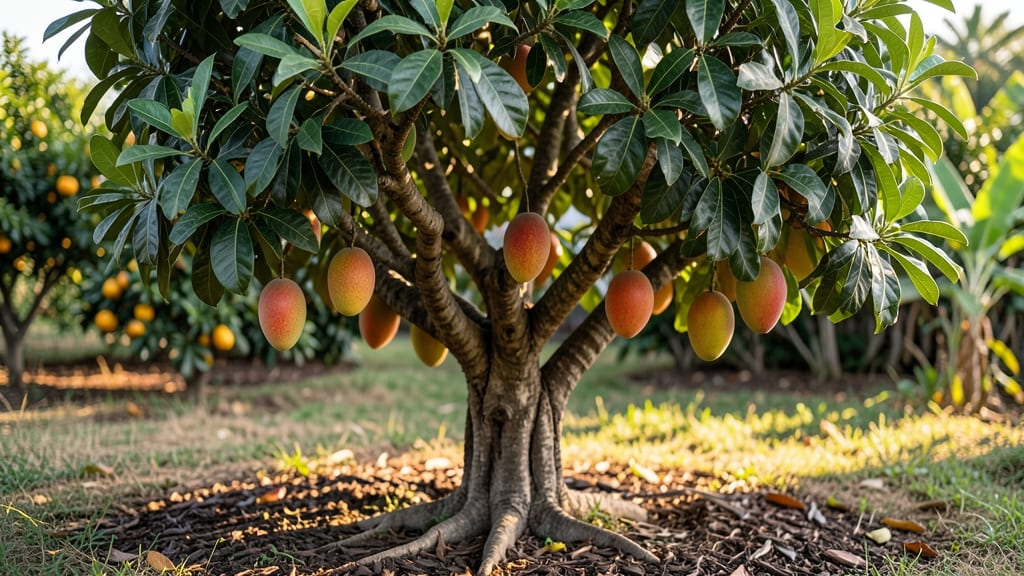
A mango tree with ripe fruits 🥭 is the crown jewel of any tropical garden—but only if you prune it right.
Picture this: your tree heavy with golden mangoes, branches sagging under the weight, yet the next year’s harvest is smaller than ever. That’s what happens when pruning cuts too deep or ignores the tree’s fruiting cycle.
The key isn’t just trimming back growth; it’s shaping the tree to balance beauty, health, and maximum harvests.
In this guide, I’ll show you how to prune for heavy fruit loads without stunting growth, including when to cut, which branches to prioritize, and how to spot the mistakes that steal your yield.
Whether you’re designing a fruit orchard or a showstopping tropical garden, these techniques will keep your mango tree thriving—and your table overflowing.
You’ll learn the seasonal pruning calendar, the best tools for clean cuts, and how to train young trees for stronger branches that support ripe fruit without snapping. Let’s get started.


Best pruning techniques for mango trees bearing ripe fruits
Pruning a mango tree during the fruiting season requires precision to balance fruit production with tree vitality. The wrong cuts can reduce yields or stress your tree, while strategic trimming enhances airflow and sunlight penetration.
My approach focuses on selective pruning that preserves energy for both growth and fruit-bearing. Start by identifying branches that compete with your ripe fruit clusters—these are your first targets.
Timing is everything when pruning a fruit-laden mango tree. Avoid heavy cuts during peak flowering or fruiting; instead, opt for light pruning in late winter or early spring. This timing allows the tree to recover before the next flowering cycle.
For trees already bearing ripe fruits, focus on structural adjustments and removing only the most problematic branches. This ensures your tree can support its current load while preparing for future harvests.
Here’s how to prune your mango tree effectively while it’s bearing ripe fruits, using a structured approach:
Identify fast-growing, vertical shoots (water sprouts) emerging from the trunk or branches. These compete for nutrients with your ripe fruits.
If new flower clusters appear while fruits are ripening, remove 20-30% of panicles to prevent overloading the tree. This ensures energy focuses on existing fruits.
Cut out any branches showing signs of disease (black spots, oozing sap) or deadwood (brown, brittle wood). Sterilize pruners with rubbing alcohol between cuts.
If branches are sagging under ripe fruits, trim to create a 45-degree angle on cuts. This strengthens the branch’s attachment point and reduces breakage risk.
Never remove more than 25% of the tree’s foliage at once. Over-pruning weakens the tree and reduces its ability to support ripe fruits or produce next year’s blossoms.
When pruning branches with ripe fruits, always use sharp, sterilized tools to minimize damage. Cut just outside the branch collar—the swollen area where the branch meets the trunk—to promote faster healing. For larger branches, make a three-cut technique: undercut, top cut, and finish cut to avoid tearing the bark.
Post-pruning care is just as critical as the cuts themselves. Apply a balanced fertilizer (6-6-6 NPK) to replenish nutrients lost during trimming. Focus on the root zone and avoid overwatering, which can stress the tree.
Mulch around the base with organic matter to retain moisture and regulate soil temperature, especially in hot climates.
Monitor your mango tree closely after pruning. Look for signs of stress, such as yellowing leaves or wilting, which may indicate over-pruning. If you notice new shoots emerging from the trunk or branches, prune them again in 6-8 weeks to maintain the tree’s shape and energy balance.
This follow-up pruning ensures your tree stays productive without sacrificing future harvests.
For container-grown mango trees, pruning becomes even more critical due to limited root space. Prune more aggressively to control size while ensuring the tree can still support ripe fruits. Use dwarf varieties like ‘Cogshall’ or ‘Julie’ if space is limited—they’re easier to manage and still produce abundant fruit.
Remember, the goal is to maximize fruit quality while keeping your mango tree healthy. By following these techniques, you’ll enjoy heavy harvests year after year without compromising the tree’s long-term vitality. 🌱🥭✂️
Mistakes to avoid when pruning a fruit-laden mango tree
Pruning your mango tree with ripe fruits is a delicate balance—cut too much, and you risk reducing next year’s harvest. Many gardeners unintentionally harm their trees by making common pruning errors that weaken growth or stress the plant.
Understanding these mistakes will help you maintain a healthy tree while preserving its fruit-bearing potential.
One of the biggest errors is over-pruning, especially when the tree already has a heavy fruit load. Removing more than 25% of foliage at once can shock the tree, leading to dropped fruits and stunted growth.
Mango trees rely on their leaves for energy to ripen fruits, so aggressive cuts during fruiting seasons can backfire spectacularly.
Another critical mistake is cutting branches at the wrong angle or leaving jagged edges. Improper cuts create entry points for diseases and pests, which can spread quickly in tropical climates.
Always use sharp, sterilized pruners and make clean cuts just outside the branch collar to promote faster healing and reduce infection risks.
⚠️ WARNING: Pruning Pitfalls That Slash Your Mango Harvest ⚠️
Avoid These Costly Mistakes
- ✖️ Over-Pruning: Removing >25% of foliage stresses the tree, causing fruit drop and weak regrowth.
- ✖️ Wrong Cut Angles: Jagged cuts invite diseases like anthracnose, which thrives in humid climates.
- ✖️ Ignoring Water Sprouts: Letting these shoot up steals energy from fruit production.
- ✖️ Pruning During Flowering: Trimming when flowers appear reduces next year’s fruit set by 40-60%.
- ✖️ Skipping Sterilization: Dirty tools spread fungal spores, leading to branch dieback.
Result:
Smaller harvests, weakened tree structure, and increased pest vulnerability. Fix it: Prune lightly in late winter or early spring (before flowering) and always use sterilized tools.
Many gardeners also make the error of pruning during flowering, which directly impacts fruit production. Mango trees set their next year’s flowers in response to current season growth.
Cutting back during this critical window can reduce flower panicles by up to 60%, leading to fewer fruits the following season. Timing is everything—aim to prune 3-4 months before flowering for optimal results.
Another overlooked mistake is ignoring water sprouts, those fast-growing, vertical shoots that pop up after pruning. While they might seem harmless, these sprouts compete with fruit-bearing branches for nutrients and sunlight. Regularly remove them to redirect the tree’s energy toward fruit development rather than unnecessary growth.
Finally, never skip sterilizing your pruning tools. Mango trees are prone to fungal infections like anthracnose, which can spread rapidly through open wounds. Wipe blades with rubbing alcohol or a 10% bleach solution before and after each use to keep your tree healthy and productive.
By avoiding these common mistakes, you’ll ensure your mango tree stays vigorous, continues producing ripe fruits, and thrives for years to come. A little caution during pruning goes a long way toward a bountiful harvest! 🥭✂️