
Leaf Blower
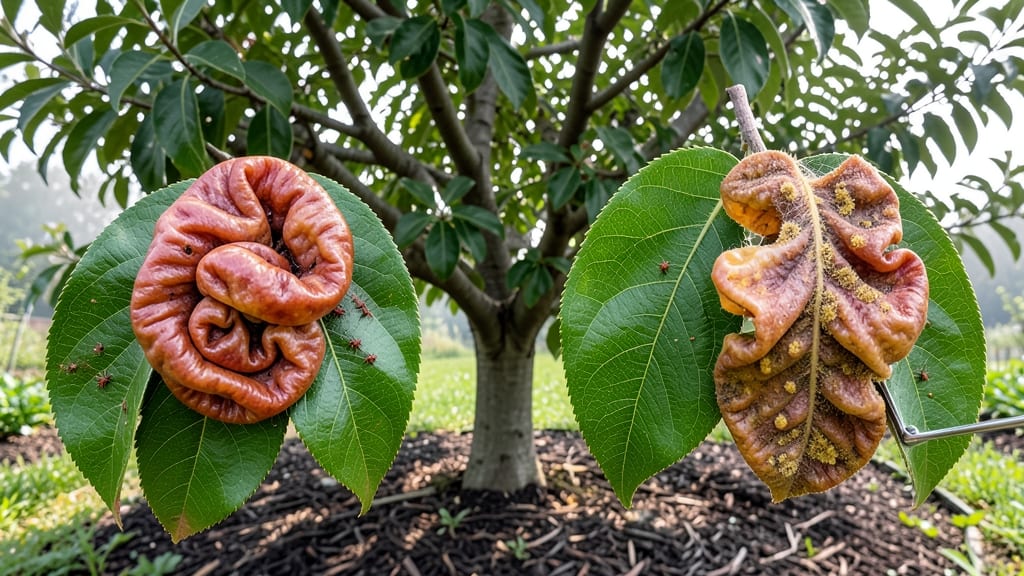
One of the most devastating peach tree problems—leaf curl—turns your spring blossoms into wrinkled, brown messes before they even bloom. 🌱 I’ve watched this disease ruin perfectly healthy trees in just two weeks—until I learned the copper spray trick that stops it dead.
The problem starts when fungal spores overwinter in bud scales, then explode in wet spring weather. Those curled, puckered leaves? That’s your tree’s immune system fighting a losing battle. Copper spray isn’t just a cure—it’s a shield when applied at the right time (before buds swell).
You’ll see new growth emerge smooth and green within 2-3 weeks of treatment, and your tree will rebound with a full harvest. The key is timing: spray in late fall and early spring, and you’ll break the cycle for good.
Works for home orchards, backyard trees, and even container-grown peaches. Here’s exactly when and how to do it without burning your leaves.
Root Causes Of Leaf Curl
Understanding why your peach tree’s leaves curl, pucker, or develop unsightly spots is the first step toward fixing the issue. Leaf curl in peach trees is rarely a single problem—it’s usually a mix of environmental stress, fungal infections, or nutritional deficiencies working together.
Below, we break down the key culprits with science-backed explanations so you can pinpoint the exact cause in your orchard.
The most common and destructive cause of leaf curl in peach trees is Taphrina deformans, a fungus that thrives in damp, cool conditions. Here’s how it works:
- Life Cycle & Spread: The fungus overwinters on buds and twigs as dormant mycelium. When spring arrives and temperatures hover between 40–60°F (4–15°C), it activates, infecting new leaves as they emerge.
Infected leaves develop thick, curled, and puckered surfaces with a reddish or purple hue—classic signs of leaf curl disease.
- Why It Happens:
- Moisture: The fungus spreads via splashing rain or overhead irrigation, especially during bud swell (late winter/early spring).
- Host Susceptibility: Young, rapidly growing leaves are most vulnerable because their thin cell walls make it easy for the fungus to penetrate.
- Dormant Spray Misses: If you skipped copper-based fungicides (like copper sulfate or copper hydroxide) during the dormant season (November–March), the fungus had free rein to infect buds.
- Actionable Insight: 💡 If you see curled leaves with a waxy, reddish sheen, this is likely the culprit. Test by gently scraping the leaf surface—if you find a white, powdery residue, it’s fungal.
Peach trees are sensitive to sudden changes in their environment. While not always deadly, these stressors weaken the tree, making it more susceptible to fungal attacks or other issues.
- Temperature Fluctuations:
- Late-Freeze Damage: If a hard freeze (<28°F/-2°C) hits after buds have swollen but before leaves harden, cells rupture, causing distorted, curled leaves.
- Heat Stress: Rapid temperature swings (e.g., 90°F/32°C days followed by 50°F/10°C nights) disrupt chlorophyll production, leading to curled, yellowed leaves.
- Water Issues:
- Overwatering: Soggy soil leads to root rot or nutrient leaching, causing leaves to curl upward as the tree conserves moisture.
- Underwatering: Dry soil triggers osmotic stress, making leaves curl downward to reduce water loss (a survival mechanism).
- Wind & Physical Damage:
- Strong winds can tear or bruise leaves, causing them to curl as they heal. Young leaves are especially fragile.
- Soil Compaction: Compacted or poorly aerated soil restricts root growth, limiting the tree’s ability to absorb water and nutrients. Curling leaves may accompany stunted growth.
Peach trees are heavy feeders, and deficiencies in key nutrients can manifest as leaf curl or distortion. Here’s what to watch for:
| Nutrient | Deficiency Signs | Why It Causes Curl |
|---|---|---|
| Nitrogen (N) | Pale yellow leaves, slow growth, curling edges | Nitrogen fuels leaf expansion; deficiency stunts cell growth, leading to curled edges. |
| Potassium (K) | Scorched leaf edges, weak stems, curling between veins | Potassium regulates water balance; low levels cause cells to lose turgor pressure. |
| Magnesium (Mg) | Yellowing between leaf veins (interveinal chlorosis), curled leaves | Magnesium is central to chlorophyll; deficiency disrupts photosynthesis, warping leaves. |
| Zinc (Zn) | Small, curled leaves with narrow spacing (little leaf syndrome) | Zinc aids cell division; deficiency stunts growth, causing leaves to curl tightly. |
| Boron (B) | Thickened, curled leaves with cracked surfaces (especially on new growth) | Boron strengthens cell walls; deficiency leads to abnormal cell expansion. |
- Actionable Insight: 🌡️ Conduct a soil test (available through local extension offices) to confirm deficiencies. If potassium or magnesium is low, apply Epsom salt (magnesium sulfate) or a balanced fertilizer (like 10-10-10) in early spring.
While less frequent, certain pests can cause leaf curling as a secondary symptom:
- **Peach Leaf Curling Mite (Eriophyes similis): These microscopic mites feed on leaf tissue, causing silvery, curled patches (often on the undersides of leaves). Unlike fungal curl, mite damage is localized and may appear as "blistered" or "puckered" areas.
- Aphids or Scale Insects: These sap-sucking pests inject toxins as they feed, causing leaves to curl inward. Check for sticky residue (honeydew) or black sooty mold on curled leaves.
- Actionable Insight**: 🔥 If you spot tiny webs, silvery patches, or honeydew, treat with neem oil or horticultural oil during dormancy to smother overwintering pests.
Quick Fixes for Peach Tree Leaf Curl
Peach tree leaf curl can be frustrating, but with the right approach, you can restore your tree’s health and prevent future outbreaks. Below are practical, step-by-step solutions tailored to the most common causes—from fungal infections to environmental stressors—along with prevention tips to keep your tree thriving.
If leaf curl is caused by peach leaf curl fungus (Taphrina deformans), act fast with copper-based treatments and sanitation.
🍳 Apply Copper Fungicide (Best Defense)
- When: Apply copper fungicide (like copper hydroxide or copper sulfate) before bud swell in late fall or early winter (dormant season) and again in early spring (just as buds begin to swell).
- How: 1. Mix the spray according to label instructions (typically 1–2 tbsp per gallon of water).
- Spray thoroughly, covering all branches, buds, and trunk until droplets run off.
- Reapply every 2–4 weeks during wet or humid conditions for severe cases. - Pro Tip: 💡 Use a hose-end sprayer for even coverage—no missed spots!
👨🍳 Prune Infected Branches (Stop the Spread)
- When: Late winter or early spring (before new growth starts).
- How: 1. Cut out any branches with thick, curled, or puckered leaves using sterilized pruners (wipe with rubbing alcohol between cuts).
- Dispose of infected leaves in the trash (don’t compost them!).
- Thin the canopy slightly to improve airflow and reduce humidity.
✨ Prevent Future Fungal Outbreaks
- 🌡️ Water wisely: Avoid overhead watering; use drip irrigation to keep leaves dry.
- 🎯 Choose resistant varieties: If leaf curl is recurrent, consider resistant peach cultivars like ‘Redhaven’ or ‘Elberta’.
If leaf curl is due to drought, overwatering, or nutrient deficiencies, fix the underlying issue with simple adjustments.
💧 Fix Watering Issues (Too Much or Too Little)
- Overwatering? Let soil dry 2–3 inches deep between waterings. Improve drainage with organic mulch (wood chips or straw).
- Drought stress? Water deeply 1–2 times per week (early morning is best). Use soaker hoses to avoid wetting leaves.
🍎 Boost Soil Health (Nutrient Fix)
- Test your soil (a simple DIY kit or lab test works).
Peach trees need: - Balanced NPK (10-10-10 or 5-10-10 fertilizer) in early spring. - Micronutrients like zinc and iron (if leaves show yellowing between veins). - Add compost (2–3 inches around the base) to improve soil structure.
🌿 Shield from Harsh Conditions
- ☀️ Protect from late frosts: Use frost cloth if spring temps dip below 25°F.
- 🌬️ Reduce wind exposure: Plant near a windbreak (like a fence or hedge) to prevent leaf desiccation.
If mites, aphids, or scale insects are causing leaf curl, use natural or chemical controls based on severity.
🔪 Spray Neem Oil or Insecticidal Soap (Mild Cases)
- Mix: 1 tbsp neem oil or insecticidal soap per quart of water + a drop of dish soap (as a spreader).
- Apply: Spray early morning or late evening (avoid direct sun).
Reapply every 5–7 days until pests are gone.
🎯 Use Systemic Insecticides (Severe Infestations)
- For badly infested trees, try imidacloprid (systemic) or pyrethrin (contact spray).
- Follow label rates—overuse can harm beneficial insects.
🌱 Encourage Beneficial Insects
- Plant marigolds, dill, or yarrow nearby to attract ladybugs and lacewings, which eat pests.
If your peach tree is heavily curled, spotted, and struggling, take immediate action:
- 🔪 Prune aggressively: Remove all severely infected branches (up to 25% of the canopy if needed).
- 🍄 Apply a baking soda spray (1 tbsp baking soda + 1 tsp oil + 1 gallon water) as a fungal suppressant (works for mild cases).
- 🌱 Fertilize with kelp meal (for stress recovery) and reapply copper fungicide.
Final Prevention Checklist 📋 ✅ Monitor trees weekly for early signs of curl or spots. ✅ Clean up fallen leaves in autumn to reduce fungal spores. ✅ Avoid overhead irrigation—use drip systems instead. ✅ Rotate fungicides if reapplying to prevent resistance.
With these targeted fixes, your peach tree should bounce back—stronger, healthier, and curl-free! 🍑✨
Frequently asked questions
Can peach leaf curl spread to other fruit trees?
The fungus causing peach leaf curl (Taphrina deformans) primarily targets stone fruits like peaches, plums, and nectarines. While it rarely infects apple or citrus trees, it can spread to nearby susceptible varieties through wind or water splash. Always clean tools and remove infected debris to prevent cross-contamination.
How do I know if my peach tree has leaf curl or just nutrient deficiency?
Leaf curl from fungus appears as thick, puckered leaves with a reddish sheen, often starting on new growth. Nutrient deficiencies cause curling at leaf edges or between veins, paired with yellowing (chlorosis). Test soil for pH/nutrients—if potassium or magnesium is low, apply Epsom salt or a balanced fertilizer.
Is copper spray safe for bees and other pollinators?
Copper-based fungicides are generally safe for bees when applied before buds swell (dormant season). Avoid spraying during bloom or when bees are active. For extra safety, apply in early morning when pollinators are less active and follow label instructions precisely.
Will pruning infected branches help if the tree is already heavily curled?
Yes, but act quickly! Prune all visibly infected branches (up to 25% of the canopy) in late winter before new growth starts. Combine with copper spray and remove pruned branches from the garden to prevent reinfection. Repeat treatments in early spring for best results.
Can I use baking soda spray as a substitute for copper fungicide?
Baking soda spray (1 tbsp baking soda + 1 tsp oil + 1 gallon water) can help suppress mild fungal growth but isn’t a full replacement for copper. It works best as a preventative during wet seasons or for light infections. For severe cases, copper remains the gold standard.