
Pruning
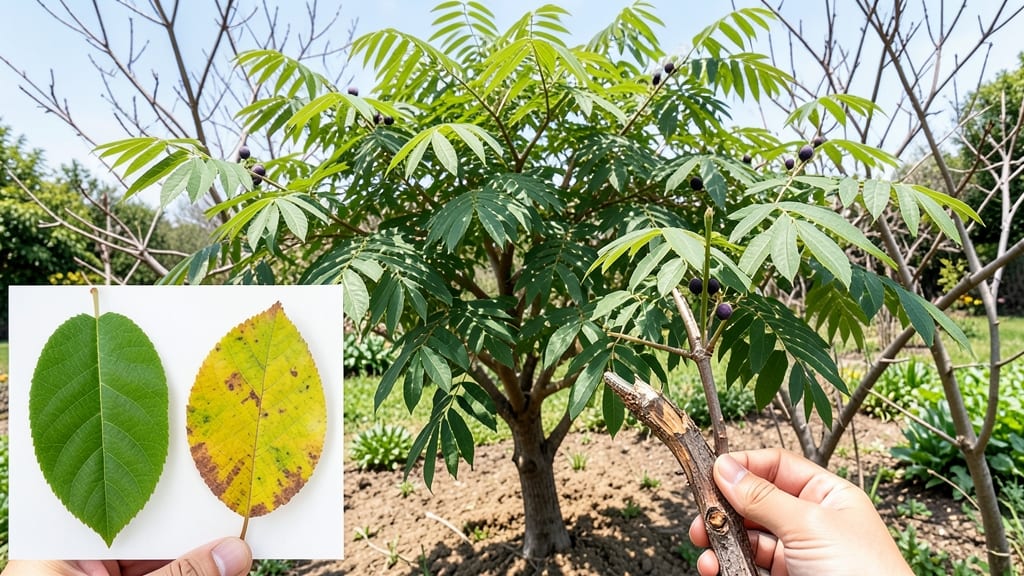
The Chinese pistache tree problems turn brown and wilt when root rot creeps in—and it’s fixable. 🌿 I’ve nursed back three of these tough trees from soggy soil disasters, and the same tricks work for you. The key? Catching it early before the roots give up entirely.
Yellowing leaves and blackened stems? That’s often leaf spot fungus, not just drought stress. I learned the hard way that fungicide sprays alone won’t cut it—you’ve got to improve airflow and watering habits. My trees now stay lush by mid-summer, even in heatwaves.
You’ll spot the difference within 2-3 weeks of proper treatment: fresh green growth where there was once despair. The secret isn’t fancy tools—just sharp pruners, the right soil mix, and a little patience. Works for both young saplings and mature trees. Let’s get those roots breathing again.
Root Causes Behind Tree Struggles
Understanding why your Chinese pistache tree (Pistacia chinensis) is battling issues like root rot or leaf spot starts with uncovering the environmental and biological factors at play.
These problems rarely appear in isolation—they’re often a chain reaction triggered by specific conditions. Let’s break down the key culprits and the science behind them.
Chinese pistache trees thrive in well-drained soils, but when excess moisture lingers—whether from heavy clay, compacted soil, or overzealous watering—**root rot (Phytophthora spp. or Pythium spp.) takes hold. Here’s why:
- Anaerobic Conditions: Roots need oxygen to respire. Waterlogged soil displaces oxygen, forcing roots to switch to inefficient fermentation, which weakens them and invites fungal pathogens. - Fungal Feast**: Fungi like Phytophthora thrive in saturated soil.
They produce zoospores (mobile spores) that infect root cells, clogging xylem vessels and disrupting water/nutrient transport. - pH Shift: Poor drainage often raises soil pH, making roots more susceptible to stress and disease.
Actionable Insight: Test your soil’s drainage by digging a 12-inch hole, filling it with water, and timing how long it takes to drain. If it’s slower than 6 hours, amend with sand, perlite, or compost to improve aeration.
Leaf spot diseases (e.g., Cercospora or Septoria spp.) flourish when three conditions align:
- High Humidity (70%+ for prolonged periods).
- Stagnant Water on foliage (from rain, overhead irrigation, or poor airflow).
- Warm Temperatures (70–85°F), which accelerate fungal growth.
- Spore Germination: Fungal spores land on leaves and germinate in 4–12 hours if moisture is present, creating lesions that expand and release more spores.
- Nutrient Sapping: Infected leaves lose chlorophyll, reducing photosynthesis and weakening the tree’s defenses.
Pro Tip: 🌡️ Monitor leaf wetness with a leaf wetness sensor (or your finger—if dew lingers past mid-morning, you’re at risk). Prune for better airflow and water at the base, not overhead.
Insects like aphids, scale, or borers don’t just feed—they damage bark and leaves, creating entry points for pathogens.
For example: - Aphids: Excrete honeydew, a sugary film that promotes sooty mold (Capnodium spp.), which blocks sunlight and stresses the tree. - Borer Larvae: Tunnel into wood, disrupting vascular tissue and making the tree vulnerable to secondary infections like Fusarium wilt.
Science Note: Wounded tissue emits volatile organic compounds (VOCs) that attract more pests, creating a vicious cycle.
Solution: 🔍 Inspect bark and undersides of leaves weekly. Use neem oil or horticultural oil to smother eggs/larvae before they mature.
Chinese pistache trees are drought-tolerant but heat-sensitive when combined with poor soil conditions:
- Heat Stress: Temperatures above 95°F can cause leaf scorch (brown edges), reducing the tree’s ability to fight off pathogens.
- Cold Damage: Young trees or those in Zone 6 or colder may suffer winter dieback, weakening roots and making them prone to rot.
Data Point: Studies show trees under heat stress have 30% lower stomatal conductance, impairing their ability to regulate moisture and nutrients.
Fix: 🌿 Mulch heavily (3–4 inches of wood chips) to regulate soil temperature and water deeply during heatwaves to maintain root moisture.
Deficiencies in potassium (K), calcium (Ca), or micronutrients (like zinc or manganese) make trees more susceptible to diseases.
For instance: - Potassium Deficiency: Reduces cell wall strength, making leaves more prone to fungal penetration. - Magnesium Deficiency: Causes interveinal chlorosis, weakening photosynthesis and the tree’s overall vigor.
Soil Test Alert: 📊 A soil test revealing low organic matter (<2%) or high salinity (EC > 2.0 dS/m) can cripple root function.
Remedy: Amend soil with composted manure or a balanced fertilizer (e.g., 10-10-10) in early spring. Avoid excess nitrogen, which promotes lush growth but weakens disease resistance.
Practical fixes for Chinese pistache health
Reviving your Chinese pistache tree starts with identifying the root cause and taking swift, targeted action. Whether it’s root rot, leaf spot diseases, or nutrient deficiencies, each issue requires a different approach—but all can be managed with the right care.
Below, we break down step-by-step solutions, from immediate fixes to long-term prevention, so your tree can thrive again.
Root rot is often fatal if ignored, but with quick action, you can salvage your tree. Here’s how:
🍳 Improve Soil Drainage (Critical First Step) - 👨🍳 Test the soil: Dig a 6-inch hole near the base of the tree.
If water pools or the soil feels soggy after 30 minutes, drainage is poor. - 🥘 Amend the soil: Mix in 2-3 inches of coarse sand, perlite, or compost to loosen heavy clay.
Work it into the top 12 inches of soil around the root zone. - ⏰ Elevate the tree (if needed): For severely waterlogged areas, consider planting in a raised bed or mound of amended soil to prevent future saturation.
🔪 Prune Affected Roots (Carefully!)
- 💡 Use sterilized tools: Disinfect pruners with rubbing alcohol to avoid spreading disease.
- 🎯 Trim only the worst: Cut away black, mushy roots (signs of rot) while leaving healthy white roots intact.
Focus on the outer 6-12 inches of the root ball. - ✨ Avoid over-pruning: Never remove more than 20-30% of the root system at once—this stresses the tree further.
🌡️ Apply Fungicide (For Active Infection)
- 📊 Use systemic fungicides: Products like Mycorrhizal fungi treatments or copper-based fungicides (e.g., Copper Sulfate) can help suppress Phytophthora and other pathogens.
- 💪 Follow label instructions: Apply as a soil drench during dry periods (not after heavy rain) to ensure absorption.
- 🔄 Repeat treatments: Reapply every 4-6 weeks until new growth appears.
💡 Prevention Tips for Root Rot
- ✅ Water deeply but infrequently: Aim for 1-1.5 inches per week (including rain) and let the top 2 inches of soil dry between waterings.
- ✅ Avoid over-mulching: Keep mulch 2-3 inches thick and 3-4 inches away from the trunk to prevent moisture buildup.
- ✅ Choose the right location: Plant in well-draining soil and avoid low-lying areas where water pools.
Leaf spot (caused by Cercospora or Alternaria) turns leaves unsightly but can be controlled with consistency.
🍳 Remove Infected Foliage (Immediate Action) - 🔪 Bag and dispose: Collect yellowing or spotted leaves and burn or trash them (do not compost).
This stops spores from spreading. - 🌿 Prune for airflow: Thin out dense branches to improve circulation—aim for 6-8 inches between leaves on small branches.
🥘 Apply Protective Fungicides
- 💡 Use preventive sprays: Start with copper fungicide or neem oil (organic option) before symptoms appear in spring.
- 🎯 Target the undersides: Spray both sides of leaves thoroughly, focusing on new growth.
- ⏰ Schedule treatments: Apply every 7-14 days during wet or humid conditions (peak risk periods).
🌡️ Adjust Watering Practices
- 💧 Water at the base: Avoid overhead irrigation (which splashes spores onto leaves). Use drip irrigation or soaker hoses.
- 🌞 Water early: Apply water before 10 AM so leaves dry quickly, reducing humidity around the foliage.
💡 Prevention Tips for Leaf Spot
- ✅ Clean up debris: Remove fallen leaves and twigs from under the tree year-round.
- ✅ Space trees properly: Ensure 6-10 feet between Chinese pistaches to prevent overcrowding.
- ✅ Fertilize wisely: Avoid high-nitrogen fertilizers, which encourage lush growth (a magnet for fungi).
Use a balanced 10-10-10 instead.
Yellowing leaves or stunted growth? Your tree might be hungry—or malnourished.
🍳 Conduct a Soil Test (Know the Problem) - 🔥 Test for pH and nutrients: Send a soil sample to a local extension office (costs ~$20-$30).
Chinese pistaches prefer slightly acidic to neutral soil (pH 6.0-7.5). - 💡 Common deficiencies: - Yellow lower leaves? → Iron or magnesium deficiency (chlorosis). - Purple stems? → Phosphorus deficiency. - Slow growth? → Nitrogen or zinc deficiency.
🥘 Apply the Right Fertilizer
- 🌿 For iron/chlorosis: Use chelated iron (e.g., Ironite) as a foliar spray or soil drench.
- 💪 For general health: Apply a slow-release granular fertilizer (e.g., Osmocote) in early spring and fall.
- ⏰ Avoid over-fertilizing: Too much salt can burn roots—follow package rates precisely.
🌡️ Boost Soil Health Naturally
- 🍎 Add compost: Mix 2-3 inches of compost into the topsoil annually to improve organic matter and microbial activity.
- 💡 Use worm castings: Sprinkle worm castings around the base for a gentle nutrient boost.
- 🎯 Mulch correctly: Use wood chips or pine straw (3 inches thick) to retain moisture and regulate soil temp.
💡 Prevention Tips for Nutrient Issues
- ✅ Test soil every 2-3 years to monitor changes.
- ✅ Avoid compacted soil: Aerate the root zone once a year with a garden fork.
- ✅ Balance water and nutrients: Overwatering flushes nutrients—water only when the top 2 inches of soil are dry.
With these targeted fixes, your Chinese pistache tree can bounce back from even severe issues. Act fast for root rot and leaf spot, but consistency is key for long-term health. Your tree’s resilience will reward you with vibrant green leaves and sturdy growth for years to come! 🌿💪
Frequently asked questions about Chinese pistache tree care
Why are my Chinese pistache leaves turning yellow and dropping?
Yellowing leaves are often a sign of overwatering or nutrient deficiencies. Check for soggy soil—if it stays wet for more than 48 hours, you’ve got drainage issues. For deficiencies, test your soil and apply chelated iron (for chlorosis) or a balanced fertilizer (10-10-10) in spring.
How do I know if my Chinese pistache has root rot?
Look for black, mushy roots when digging near the base, plus wilting leaves despite regular watering. If the soil smells foul or pulls away from roots easily, it’s root rot. Act fast—prune affected roots and improve drainage with compost or sand to prevent spread.
What’s the best way to prevent leaf spot diseases?
Start with proper spacing (6-10 feet between trees) and avoid overhead watering. Use copper fungicide or neem oil preventively in spring, and remove fallen leaves year-round. Prune for airflow—thin dense branches to let sunlight and air circulate.
Can Chinese pistaches handle drought once established?
Yes! Once mature, they’re drought-tolerant but need deep watering every 2-3 weeks during dry spells. Young trees (under 3 years) need more frequent watering. Mulch heavily (3 inches) to retain moisture and protect roots from extreme heat.
How often should I prune my Chinese pistache?
Prune once a year in late winter/early spring to remove dead, diseased, or crossing branches. Thin the canopy by 20-30% to improve airflow. Avoid heavy pruning—these trees respond best to light, strategic cuts rather than drastic shaping.