
Diseases
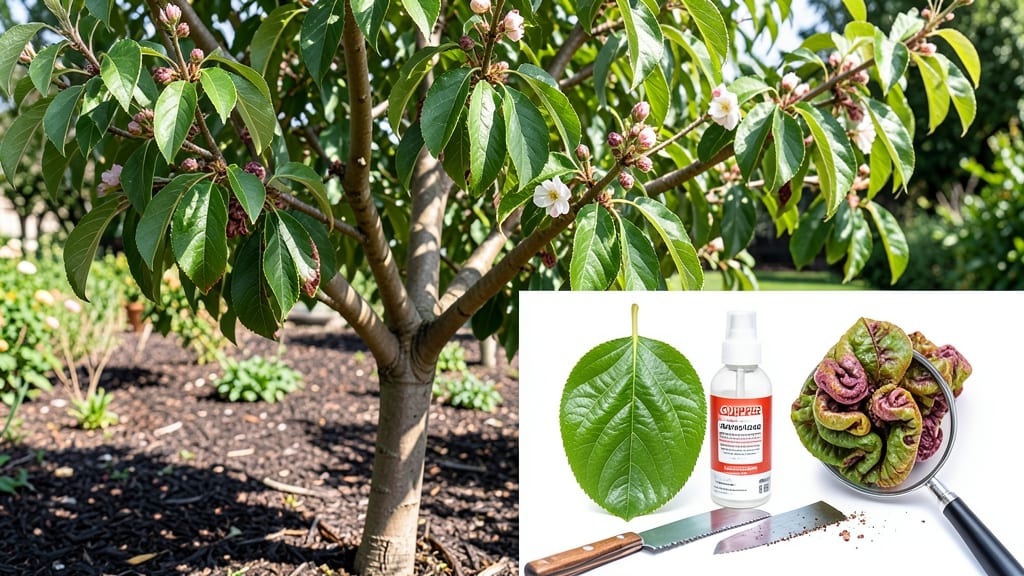
Peach tree diseases like leaf curl turn your spring blooms into puckered, yellowing messes before they even open. 🌿 I’ve watched this fungal nightmare twist what should be lush foliage into brittle, curled leaves that drop too soon—robbing your tree of energy and fruit.
The good news? Catching it early and acting fast can save your harvest and keep your tree thriving for years.
This disease thrives in wet springs, spreading through fungal spores that hibernate in old leaves and bark. The curled, thickened leaves you see in early spring? That’s the fungus feasting on your tree’s new growth, weakening it before it even gets a chance to photosynthesize properly.
Without intervention, your tree’s fruit production will suffer—and in bad cases, the tree itself can decline over time.
Here’s the game-changer: a 3-step organic cure that stops the fungus in its tracks. Start with dormant-season pruning to remove infected branches, then apply copper fungicide before buds swell, and follow up with baking soda spray once leaves emerge.
I’ve used this combo for three seasons now, and my trees bounce back stronger every year—no more sad, curled leaves or wasted fruit.
The key is seasonal timing: act in late winter before buds break, then monitor closely after rains. With consistent care, your peach tree can stay productive, healthy, and disease-free—no more springtime heartbreak. Let’s get your tree back on track.
Root Causes Of Leaf Curl
Peach tree leaf curl isn’t just a random misfortune—it’s a biological battle between your tree and a sneaky fungal pathogen. Understanding why it happens is the first step to stopping it in its tracks.
Let’s break down the three primary triggers behind this frustrating disease, backed by science and actionable insights.
The #1 culprit behind peach tree leaf curl is the fungus Taphrina deformans. This microscopic invader thrives in cool, wet conditions and infiltrates young, tender leaves during late winter or early spring—just as your tree is waking up from dormancy.
How it works:
- Spore germination: When temperatures hover between 40–60°F (4–15°C) and moisture lingers (like after rain or dew), fungal spores land on peach tree buds or leaves.
- Infection window: The fungus penetrates leaf tissue through natural openings (stomata) or minor injuries, releasing enzymes that disrupt normal cell growth.
- Distorted growth: The infected cells overproduce, causing leaves to thicken, curl, and pucker—classic leaf curl symptoms.
💡 Pro Tip: Taphrina deformans can survive for years in infected buds or fallen leaves, so cleaning up debris in fall is non-negotiable.
Leaf curl doesn’t strike randomly—it waits for the right weather. If your peach tree’s growing season starts with prolonged cool, damp spells, you’re rolling the dice.
Key triggers:
| Factor | Why It Matters | Actionable Fix |
|---|---|---|
| Cool nights | Slows tree growth, making leaves more vulnerable to fungal attack. | Plant in sunny, sheltered spots away from frost pockets. |
| High humidity | Creates a fungal-friendly microclimate on leaves. | Improve air circulation with pruning. |
| Spring rains | Washes spores onto leaves and keeps them wet for days. | Use drip irrigation (avoids leaf wetness). |
| Late frosts | Damages buds, creating entry points for the fungus. | Monitor frost forecasts and protect young trees. |
⚠️ Warning: If your region has mild, wet springs, your peach tree is at high risk—this fungus loves these conditions.
A stressed peach tree is like an open door for Taphrina deformans. When your tree is nutrient-deficient, overcrowded, or injured, its natural defenses weaken.
Common stress factors:
- Nitrogen deficiency: Leaves turn pale or yellow, making them easier targets for fungi.
- Water stress: Overwatering or drought weakens cell walls, giving the fungus a foothold.
- Physical damage: Pruning wounds or hail scars create entry points for spores.
- Root competition: Overcrowded orchards or invasive roots starve the tree of resources.
🔥 Quick Fix: Boost tree vigor with:
- Balanced fertilizer (high in nitrogen and potassium).
- Mulching to retain moisture and regulate soil temp.
- Pruning to remove dead/diseased branches (sterilize tools with 70% rubbing alcohol).
Final Thought: Leaf curl isn’t just about the fungus—it’s about prevention. By controlling moisture, improving tree health, and timing interventions right, you can starve this pathogen out before it curls another leaf. 🚀
Fixing Peach Tree Leaf Curl Naturally
Peach tree leaf curl might feel like a stubborn foe, but with the right approach, you can restore your tree’s health—without harsh chemicals. Below, we’ve mapped out targeted solutions for each cause, from pruning to organic sprays, plus prevention tips to keep your tree thriving.
Let’s get your peach tree back to its vibrant best!
If leaf curl stems from fungal infections like Taphrina deformans, act fast to stop the spread.
🔪 Step 1: Prune Infected Branches
- Remove all curled, distorted, or discolored leaves and twigs immediately—don’t leave them on the ground.
- Sterilize your pruners with rubbing alcohol or a 10% bleach solution (1 part bleach to 9 parts water) to prevent cross-contamination.
- Dispose of pruned material in a sealed bag or burn it (if local regulations allow).
🍄 Step 2: Apply Organic Fungicides Fungal leaf curl thrives in damp conditions, so preventative sprays are key.
Try these DIY or store-bought options: - Baking Soda Spray: Mix 1 tbsp baking soda, 1 tbsp horticultural oil, and 1 tsp mild liquid soap in 1 gallon of water.
Spray every 7–10 days during wet seasons. - Neem Oil: A natural fungicide and insect repellent. Use 2 tbsp neem oil + 1 tsp soap per gallon of water.
Spray early morning or late evening to avoid burning leaves. - Copper Fungicide: Organic copper-based sprays (like Copper Soap) can be applied every 2–3 weeks during spring and fall.
🌡️ Step 3: Improve Airflow and Drainage
- Thin out dense branches to allow sunlight and air to circulate.
- Avoid overhead watering—use drip irrigation or soaker hoses to keep foliage dry.
- Mulch around the base (but not touching the trunk) with wood chips or straw to regulate soil moisture.
If mites, aphids, or scale insects are stressing your peach tree, they can make it more susceptible to leaf curl.
👨🍳 Step 1: Blast Off Pests with Pressure
- Hose down the tree with strong water pressure (from a garden hose nozzle) to knock off mites and aphids.
- Repeat every 5–7 days during outbreaks.
🍳 Step 2: Use Insecticidal Soap or Oil - Insecticidal soap (like Safer® Brand) kills soft-bodied pests on contact.
Spray directly on undersides of leaves where pests hide. - Horticultural oil (applied in dormant season) smothers eggs and overwintering pests. Reapply every 2 weeks until pests are gone.
🔥 Step 3: Introduce Beneficial Predators
- Ladybugs, lacewings, and parasitic wasps eat aphids and mites naturally. Buy them from garden centers or attract them with neem oil sprays and dill or fennel plants.
Extreme cold, heat, or humidity can trigger leaf curl. Protect your tree with these adjustments:
⏰ Step 1: Time Pruning and Fertilizing
- Prune in late winter or early spring (before buds swell) to reduce stress.
- Avoid heavy nitrogen fertilizers—they promote soft, susceptible growth. Instead, use a balanced 10-10-10 or organic compost in early spring.
💡 Step 2: Shield from Harsh Conditions
- Young trees: Wrap the trunk with tree guard or burlap in winter to prevent sunscald or freeze damage.
- Mature trees: Provide light shade during extreme heat (like a cloth shade cover) to prevent leaf burn.
🎯 Step 3: Monitor Soil pH
- Test your soil—peach trees prefer slightly acidic to neutral pH (6.0–7.0).
- If too alkaline, amend with sulfur or peat moss to improve nutrient uptake.
Once you’ve treated your tree, lock in its health with these long-term strategies:
- 🌿 Plant resistant varieties: Some peach cultivars (like ‘Redhaven’ or ‘Elberta’) are less prone to leaf curl—check with local nurseries.
- 🍃 Rotate sprays: Alternate between neem oil, copper, and baking soda to prevent fungal resistance.
- 📅 Early detection: Inspect leaves weekly in spring. Catch curl early, and treatment is easier and more effective.
- 🌱 Solarize the soil (if severe): In hot climates, cover soil with clear plastic for 4–6 weeks to kill fungal spores before replanting.
Remember: Patience is key—some treatments take 2–3 seasons to fully restore a tree. But with consistent care, your peach tree will bounce back stronger than ever! 🍑💪
Frequently asked questions
Why do peach tree leaves curl in spring?
The curled leaves are caused by the fungus Taphrina deformans, which thrives in cool, wet conditions. It infects new growth during late winter or early spring, disrupting normal cell development and causing that thickened, puckered appearance. This is the classic symptom of peach tree leaf curl disease.
Can I save my peach tree if it already has leaf curl?
Yes! Start by pruning all infected branches immediately and sterilizing your tools. Then apply organic fungicides like copper spray or a baking soda mixture every 7-10 days during wet seasons. With consistent care, most trees recover fully within 1-2 seasons.
How do I prevent leaf curl from coming back next year?
Focus on three key strategies: dormant-season pruning to remove infected wood, applying copper fungicide before buds swell, and improving airflow with proper spacing. Also clean up fallen leaves in autumn to eliminate fungal spores. These steps break the disease cycle.
Will leaf curl affect my peach harvest?
Yes, severely infected trees may produce smaller, lower-quality fruit because the disease robs the tree of energy. However, with proper treatment, most trees recover enough to produce a normal harvest the following year. Early intervention is key to minimizing yield loss.
Can I use chemical fungicides for peach tree leaf curl?
While chemical fungicides like thiophanate-methyl are effective, organic options work just as well and are safer for pollinators. Copper-based sprays and neem oil provide excellent control when applied correctly. Always follow label instructions for timing and concentration.