
Trees
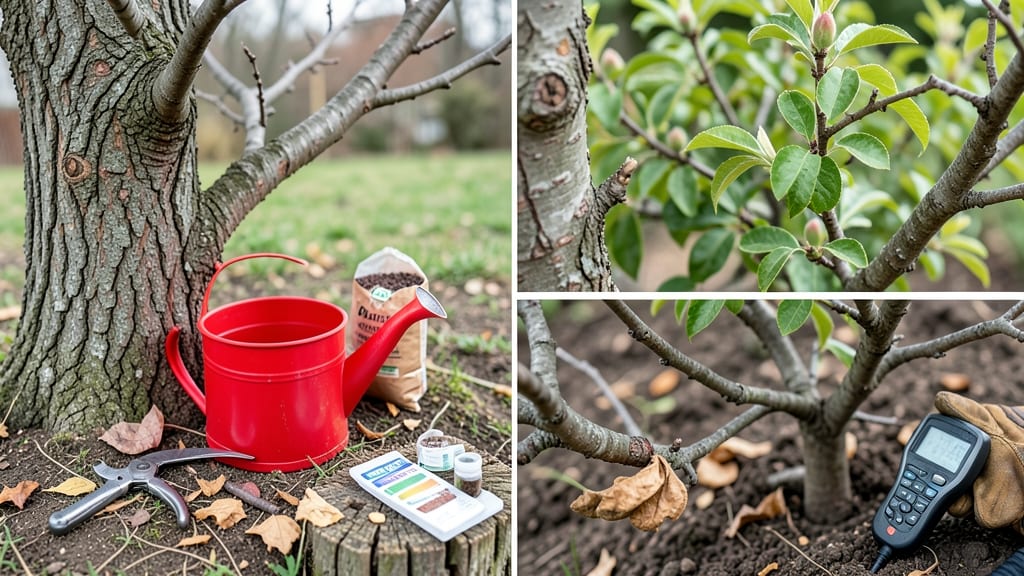
When your peach tree lost all the leaves, panic sets in—but there’s a method to the madness. 🌿 I’ve watched this happen twice in my own backyard, and the first step is always figuring out whether it’s a disease, pest, or environmental shock.
The good news? Most peach trees bounce back if you act fast, and the bad news? Waiting too long means winter damage or worse. Start by inspecting the bare branches: are there tiny webs (spider mites), sticky residue (aphids), or curled, puckered leaves (leaf curl)?
Check the soil too—dry as dust or waterlogged? These clues tell you exactly what to treat next. My second tree lost leaves to drought stress, while the first was a fungal infection. Both recovered with the right care, but the fix was totally different.
What you’ll end up with is a peach tree that either regrows leaves within weeks or—if it’s a stubborn case—survives the season with proper winter protection. The key is acting before the roots run out of energy.
Think of it like a doctor’s visit: symptoms lead to diagnosis, and diagnosis leads to treatment. This works for backyard trees, container-grown peaches, or even young saplings. Let’s turn that bare skeleton into a thriving fruit producer again—step by step.
Root Causes Behind Sudden Leaf Loss
When your peach tree sheds all its leaves at once, it’s often a cry for help—whether from environmental stress, pests, or underlying health issues. Understanding the why behind the defoliation is the first step to saving your tree.
Below, we break down the most common culprits, backed by science, so you can diagnose the problem accurately and take action.
Peach trees are not fans of sudden temperature swings, especially when they’re caught off guard. Extreme heatwaves, early frosts, or rapid drops in temperature can shock the tree into abscission—the process where leaves detach to conserve energy. This is particularly common in:
- Late spring frosts: When buds form but temperatures plummet below 28°F (-2°C), cells in the leaf petiole (the stem connecting the leaf to the branch) produce ethylene gas, triggering leaf drop. 🍑💨
- Heat stress: Temperatures above 95°F (35°C) for prolonged periods can cause protein denaturation in leaves, leading to wilting and premature shedding. Young trees or those in drought-prone areas are most vulnerable.
- Cold snaps in fall/winter: If the tree isn’t fully dormant when temperatures dip suddenly, it may drop leaves to protect its core. This is especially true for peach varieties like Elberta or Redhaven, which are sensitive to cold stress.
🔍 How to confirm: Check for no visible damage (like holes or spots) and note if leaf drop coincided with a weather event. If the tree’s bark is still intact and branches are firm, temperature shock is likely the culprit.
Peach trees have delicate water needs, and both drought and overwatering can lead to defoliation. Here’s how each plays out:
| Issue | Signs | Scientific Explanation |
|---|---|---|
| Underwatering (Drought Stress) |
|
The tree’s xylem vessels (water conductors) collapse under extreme dehydration, disrupting nutrient transport. Ethylene production spikes, triggering abscission. 🌵💧 |
| Overwatering (Root Rot) |
|
Excess water drowns roots by blocking oxygen, causing Phytophthora or Pythium fungi to thrive. Roots rot, starving the tree of water/nutrients, leading to systemic leaf drop. 🍄💀 |
💡 Pro Tip: Stick your finger 2–3 inches into the soil. If it’s dry, water deeply; if soggy, hold off until the top 1–2 inches are dry. Peach trees prefer consistent moisture but hate soggy roots.
Some pests don’t just nibble—they devour entire leaves in days, leaving your tree bare. Here are the top offenders:
- Japanese Beetles: These metallic-green invaders skewer leaves with their scissor-like mandibles, creating a "lace-like" pattern before stripping the tree bare. 🐞🍃 Look for: Skeletonized leaves, beetles on the trunk, and frass (chewed leaf debris).
- Peach Tree Borers: Larvae burrow into the cambium layer (the tree’s growth ring), disrupting nutrient flow. Adults lay eggs in bark crevices, and larvae tunnel through wood, causing sudden wilting and leaf drop. 🐜🌳 Look for: Sawdust-like frass at the base of the trunk or in cracks.
- Aphids/Spider Mites: These tiny pests suck sap, causing leaves to curl, yellow, and drop. Heavy infestations lead to sooty mold (a black fungal growth) on leaves. 🕷️🍯 Look for: Sticky residue on leaves or fine webbing (mites).
🔍 How to confirm: Shake the tree over a white sheet—pests will reveal themselves. Check the undersides of leaves and bark crevices for eggs or larvae.
Peach trees are heavy feeders, and a lack of key nutrients can cause rapid defoliation. The most critical deficiencies to watch for:
| Nutrient | Deficiency Symptoms | Why It Causes Leaf Loss |
|---|---|---|
| Nitrogen (N) | Older leaves turn yellow (chlorosis) but stay attached, then drop. | Nitrogen is essential for chlorophyll production. Without it, leaves can’t photosynthesize, so the tree sheds them to conserve energy. 🌿➡️💨 |
| Potassium (K) | Leaves develop brown edges (scorch) before dropping. | Potassium regulates water balance and stress responses. A deficiency weakens cell membranes, making leaves susceptible to damage and early abscission. 💦🔥 |
| Magnesium (Mg) | Interveinal yellowing (between veins) on older leaves. | Magnesium is central to chlorophyll. Without it, leaves can’t produce energy, leading to premature senescence (aging) and drop. 🍃💀 |
💡 Pro Tip: Test your soil with a home kit or send a sample to a local extension office. Peach trees thrive in soil with a pH of 6.0–7.0 and benefit from a balanced fertilizer (e.g., 10-10-10) applied in early spring.
Fungal infections often go unnoticed until it’s too late. Peach trees are susceptible to several diseases that cause rapid defoliation, including:
- Leaf Spot Diseases (e.g., Cercospora, Cladosporium): Fungi like Cercospora thrive in humid, rainy conditions and create dark spots with yellow halos. As spots multiply, leaves
Quick Fixes for Bare Peach Tree
A peach tree that’s suddenly shed all its leaves can feel like a gardener’s worst nightmare—but don’t panic! With the right diagnosis and action, you can nurse it back to health. Below, we’ve matched common causes to practical, step-by-step fixes, plus tips to keep your tree thriving long-term.
Signs: Dry, crispy edges on remaining leaves (if any), soil pulling away from the trunk, or wilting despite watering.
How to Fix It: 💧 Deep Watering – Stick your finger 2–3 inches into the soil. If it’s bone-dry, water slowly and deeply (1–2 gallons per tree) until moisture reaches 6–8 inches down. Early morning or late evening is best to reduce evaporation.
🌿 Mulch Like a Pro – Spread 2–4 inches of organic mulch (wood chips, straw, or shredded bark) around the base, keeping it 6 inches away from the trunk. This locks in moisture and regulates soil temperature.
⚠️ Avoid Overwatering – Soggy soil can suffocate roots. Test drainage: Dig a small hole, fill it with water, and see how long it takes to drain. If it pools, amend the soil with compost or sand.
Prevention Tips: 💡 Drip Irrigation – Install a slow-release system to keep roots consistently moist, especially during heatwaves. 🌡️ Shade Cloth – In extreme heat, drape 30–50% shade cloth over young trees for a few weeks to reduce stress.
Signs: Tiny holes in leaves, sticky residue (honeydew), or visible bugs like aphids, borers, or spider mites.
How to Fix It: 🔍 Inspect & Identify – Shake a few leaves over a white sheet to spot pests. Common culprits:
- Aphids (tiny green/black bugs)
- Japanese Beetles (metallic green/blue)
- Peach Tree Borers (larvae under bark)
🚿 Blast Them Off – Spray pests with a strong stream of water (early morning) to dislodge them. Repeat every 3–4 days.
🍊 Neem Oil or Soap Spray – Mix 1 tbsp neem oil + 1 tsp mild dish soap per gallon of water. Spray under leaves (where pests hide) and reapply after rain.
🪓 Prune & Burn – Cut off heavily infested branches 6 inches below damage, then burn or bag them (don’t compost!).
Prevention Tips: ✨ Beneficial Insects – Release ladybugs or lacewings (sold at garden centers) to eat pests naturally. 🎯 Reflective Mulch – Use silver plastic mulch around the base to deter beetles and mites.
Signs: Leaves turn brown and brittle after a sudden cold snap or scorching heat, often with no other damage.
How to Fix It: ❄️ For Frost Damage –
- Wrap the Trunk – Use burlap or tree wrap to insulate against temperature swings.
- Cover Young Trees – Drape frost cloth loosely over the canopy (secure with stakes).
🔥 For Heat Stress –
- Provide Afternoon Shade – Use shade sails or tarps to block intense midday sun.
- Mist Leaves – Lightly mist foliage (if any remains) in the early morning to cool the tree.
Prevention Tips: 💪 Choose Cold-Hardy Varieties – If you’re in a short-season climate, opt for ‘Redhaven’ or ‘Elberta’ peach trees, which tolerate cooler temps better. 🌿 Plant Strategically – Avoid low-lying areas where cold air pools. A slightly elevated spot with wind protection helps.
Signs: Yellowing leaves with black spots, powdery white residue, or cankers on branches.
How to Fix It: 🪓 Prune Aggressively – Cut out all infected branches (up to 12 inches below visible damage) with sterilized pruners (wipe with rubbing alcohol between cuts).
🍄 Fungicide Treatment –
- Baking Soda Spray (mild): Mix 1 tsp baking soda + 1 tbsp oil + 1 tsp soap per gallon of water. Spray every 7–10 days.
- Copper Fungicide (stronger): Follow label instructions for early spring and late fall applications.
Prevention Tips: 🌡️ Improve Airflow – Thin the canopy to reduce humidity buildup (fungi love damp, crowded spaces). 🚫 Clean Up Debris – Rake and remove fallen leaves and fruit mummies (old, rotten fruit) to eliminate fungal spores.
Signs: Pale yellow leaves (chlorosis), stunted growth, or leaves that fall prematurely.
How to Fix It: 📊 Soil Test First – Send a sample to your local extension office (cheap and accurate!). Common deficiencies in peach trees:
- Nitrogen (N) – Leaves turn yellow but veins stay green.
- Zinc or Iron – Yellowing between veins (interveinal chlorosis).
🍽️ Quick Fixes:
- Nitrogen: Sprinkle blood meal or compost around the base (avoid touching the trunk).
- Micronutrients: Apply a chelated iron or zinc sulfate spray (follow package rates).
Prevention Tips: 💡 Mulch with Compost – Top-dress annually with 2–3 inches of compost to replenish nutrients. 🌱 Slow-Release Fertilizer – Use a balanced 10-10-10 or 8-3-9 fertilizer in early spring (before buds swell).
Final Pro Tip: 🌟 Monitor & Wait – After treating, give your tree 4–6 weeks to recover. New leaves may appear slowly—don’t prune until you see fresh growth to avoid stressing it further.
With these fixes, your peach tree should bounce back stronger than ever. 🍑💪
Frequently asked questions
Is it normal for a peach tree to lose all its leaves at once?
Not typically—while peach trees naturally shed leaves in fall/winter, sudden complete defoliation usually signals stress. Healthy trees may lose 10-20% of leaves seasonally, but total leaf loss indicates disease, pests, or environmental damage. The good news? Most trees recover if you identify the cause quickly.
Can a peach tree survive without leaves for a whole season?
It depends on the cause. If the tree lost leaves due to temperature shock or pests, it can often regrow foliage in spring. However, if root rot or severe fungal infections are to blame, the tree may struggle to recover. Always check for new buds in spring—these indicate life below ground.
How long does it take for a peach tree to regrow leaves after losing them?
With proper care, you may see new growth in 3-6 weeks during active growing seasons (spring/early summer). If the tree is severely stressed (like from drought or disease), recovery could take up to 2-3 months
Will my peach tree produce fruit next year if it lost all leaves?
Possibly, but it depends on the root health and how quickly it recovers. If the tree had strong roots before defoliation, it may still produce some fruit next season. However, severe stress (like root rot or borer damage) can weaken flowering capacity. Focus on recovery first—fruit production comes after the tree regains strength.
What's the difference between leaf drop from drought and fungal disease?
Drought causes leaves to turn brown and crispy at the edges while soil pulls away from roots. Fungal diseases (like leaf spot) create dark spots with yellow halos before leaves drop. Check the soil moisture and inspect leaves for spots—drought leaves stay attached longer, while diseased leaves fall quickly with visible damage.