
Pests and Diseases
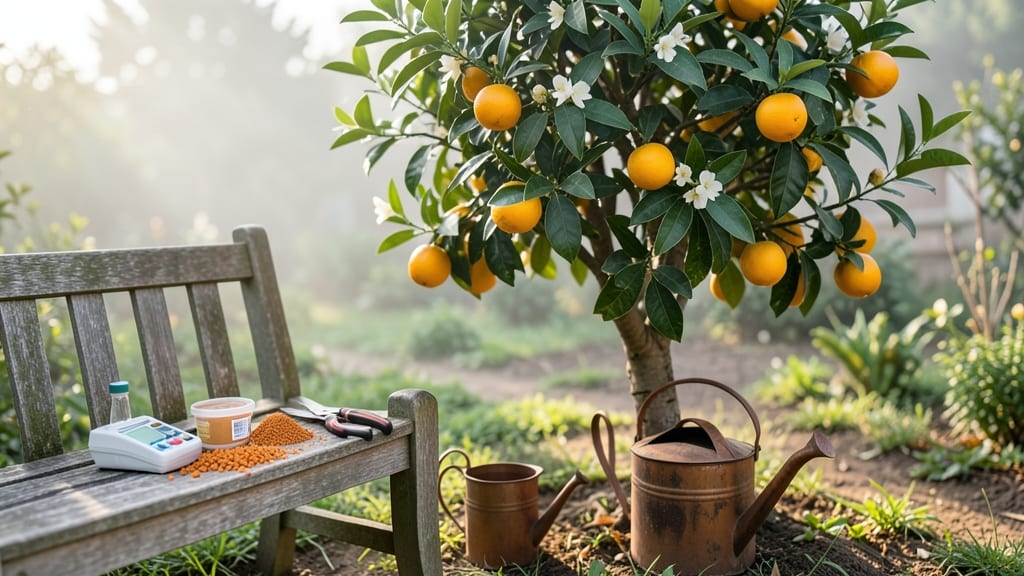
When your mandarin tree’s leaves turn yellow, it’s rarely a death sentence—just a cry for help. 🌿 I’ve nursed back more than a few of these citrus trees from limp, pale foliage to vibrant green, and the fix often comes down to three key areas: what’s in the soil, how much water you’re giving, and whether pests or disease are sneaking in.
The first step is checking the roots: yellow leaves often mean overwatering (roots need air) or a nutrient deficiency (especially nitrogen or iron). Grab a handful of soil—if it smells sour or feels soggy, you’re overdoing it.
For nutrient issues, a balanced citrus fertilizer or chelated iron spray can turn things around in 2-3 weeks.
You’ll see the difference fast: new growth emerges dark green, and the yellow fades upward from the bottom. Prune any severely affected leaves to redirect energy, and keep an eye out for pests like spider mites hiding on the undersides.
Prevention is simple: water only when the top inch of soil is dry, use well-draining soil, and fertilize every 6-8 weeks. If the problem persists after 4 weeks, it might be time to call in a local arborist—sometimes it’s a deeper soil issue or fungal problem.
Why it happens
Yellowing leaves on your mandarin tree can be a distress signal from the plant, often linked to environmental stress, nutrient imbalances, or underlying health issues. Before reaching for solutions, it’s crucial to pinpoint the exact cause.
Here’s a breakdown of the most common reasons why your mandarin tree’s leaves turn yellow—and what each clue reveals.
Mandarin trees thrive on a balanced diet of essential nutrients, and when one or more are lacking, the leaves often turn yellow as a warning sign. Unlike broadleaf yellowing caused by overwatering, nutrient deficiencies typically start on older leaves (a pattern called chlorosis) and progress inward.
Here’s how to spot the culprits:
- Nitrogen (N) Deficiency:
Yellowing begins on older leaves first, often paired with stunted growth or sparse foliage. Nitrogen is vital for chlorophyll production, so without it, leaves lose their green pigment. Fix: Apply a balanced fertilizer (e.g., 10-10-10) or organic amendments like composted manure.
For citrus trees, a slow-release nitrogen source (like urea) works best.
- Iron (Fe) Deficiency:
Yellowing appears on new growth (unlike nitrogen) and is especially common in alkaline soils. Iron is immobile in plants, so new leaves can’t access it if the soil lacks it. Fix: Use chelated iron supplements or apply sulfur to lower soil pH (ideal range: 6.0–7.0 for citrus).
Avoid overwatering, as iron leaches quickly in wet conditions.
- Magnesium (Mg) Deficiency:
Yellowing starts between leaf veins (called interveinal chlorosis) on older leaves, while veins remain green. Magnesium is central to chlorophyll, so its absence disrupts photosynthesis. Fix: Apply Epsom salt (magnesium sulfate) to the soil (1 tablespoon per gallon of water, every 2–4 weeks) or use a magnesium-rich fertilizer.
- Zinc (Zn) or Manganese (Mn) Deficiency:
These trace minerals cause yellowing with distinct patterns: zinc deficiency shows as bronzing or mottling on new leaves, while manganese deficiency mirrors iron deficiency but often affects older leaves. Fix: Use a citrus-specific micronutrient spray or soil drench with zinc sulfate or manganese sulfate.
💡 Pro Tip: Conduct a soil test to confirm deficiencies before treating. Many garden centers offer affordable kits, or send a sample to a local agricultural extension service for precise analysis.
Mandarin trees are drought-tolerant and hate soggy roots. Overwatering or compacted, poorly draining soil suffocates roots, cutting off nutrient and water uptake. Yellow leaves here often appear uniformly across the tree, paired with:
- Wilting despite wet soil.
- Mushy, dark roots when checked.
- Leaves that feel slimy or drop easily.
Why it happens: Oxygen deprivation in waterlogged soil triggers root rot (Phytophthora or Fusarium fungi), preventing the tree from absorbing nutrients—even if they’re in the soil. Fix:
- ⏰ Adjust watering: Water deeply but only when the top 2–3 inches of soil are dry. Mandarin trees prefer consistent moisture, not saturation.
- 🏗️ Improve drainage: Amend soil with perlite, coarse sand, or grit to create air pockets. If planted in a container, ensure pots have drainage holes.
- 🌡️ Check for root rot: Gently dig around the base to inspect roots. Healthy roots are firm and white; rotten roots are black/mushy. Prune affected roots with sterilized shears and treat with a fungicide like copper-based spray.
Mandarin trees are subtropical and sensitive to extreme temperatures or sudden shifts. Yellow leaves can signal:
Cause
Symptoms
Solution
🔥 Heat Stress
Leaves scorch (yellow/brown edges), crispy texture, or droop in afternoon heat.
Provide afternoon shade (use shade cloth 30–50%) and mulch to retain soil moisture. Water deeply in the morning.
❄️ Cold Damage
Yellowing or blackened leaves after frost, often with a water-soaked appearance.
Protect young trees with frost cloth or move potted trees to a sheltered spot. Avoid planting in low-lying areas where cold air pools.
🌞 Sunburn
Pale yellow or white patches on leaves exposed to direct sun (common after transplanting).
Gradually acclimate trees to sunlight (harden off) over 1–2 weeks. Use temporary shade if moving from shade to sun.
🌡️ Pro Tip: Mandarin trees prefer temperatures between 60–85°F (15–29°C). Avoid sudden temperature swings, which can shock the tree and trigger yellowing.
While nutrient issues are the top cause, pests and diseases can also turn mandarin leaves yellow by disrupting nutrient flow or injecting toxins. Look for these red flags:
- Spider Mites: Tiny yellow stipples or webbing on undersides of leaves. These pests suck sap, causing leaf yellowing and premature drop. Fix: Spray with water to dislodge them, or use neem oil or insecticidal soap.
- Scale Insects: Sticky residue (honeydew) on leaves, followed by sooty mold (black fungus). Scale pierces leaves, blocking nutrient transport. Fix: Scrape off infestations with a brush dipped in soapy water, then apply horticultural oil.
- Fungal Infections (e.g., Citrus Greening or Anthracnose): Yellowing paired with puckering leaves or dark spots with yellow halos. Fungi thrive in humid conditions. Fix: Prune infected branches, improve air circulation, and apply copper fungicide.
- Root-Knot Nematodes: Stunted growth, yellowing despite proper care, and gnarled roots. These microscopic worms feed on roots, reducing nutrient uptake. Fix: Solarize soil (cover with clear plastic for 4–6 weeks) or use nematicides like Abamectin.
🔥 Pro Tip: Inspect the undersides of leaves and along stems for pests. Early intervention prevents systemic damage.
Revive Your Mandarin Tree Now
Yellowing leaves on your mandarin tree can be alarming, but the good news is that most causes have simple, effective fixes. Whether it’s nutrient deficiency, pests, or environmental stress, taking action early can save your tree and restore its vibrant green foliage. Below, we break down the most common causes and the step-by-step solutions to bring your mandarin tree back to health.
If yellowing leaves are paired with stunted growth or pale new growth, your tree may be hungry for essential nutrients. Mandarin trees thrive with a balanced diet, and deficiencies—especially in nitrogen, iron, or magnesium—are common culprits.
🔥 Fix Iron or Nitrogen Deficiency (Yellow Lower Leaves)
Yellowing on older leaves (especially lower ones) often signals a lack of nitrogen or iron. Here’s how to correct it:
- Use organic matter: Mix compost or well-rotted manure into the top 6 inches of soil around the tree’s drip line. This boosts nitrogen and improves soil structure.
- Pro Tip: If your soil is alkaline (pH >7.0), iron becomes less available. Amend the soil with sulfur or peat moss to lower pH gradually.
Apply Epsom salt:
Dissolve 1 tablespoon of Epsom salt (magnesium sulfate) in 1 gallon of water. Spray this solution on the leaves every 2-4 weeks until new growth is healthy.
- Treat Aphids or Spider Mites (Sticky Leaves + Yellow Spots)
These tiny pests suck sap, leaving behind yellow stippling and honeydew (a sticky substance that attracts sooty mold).
- Use insecticidal soap: Mix 1-2 tablespoons of mild liquid soap (like Castile soap) with 1 quart of water. Spray every 5-7 days until pests are gone.
- Pro Tip: Introduce ladybugs or lacewings (natural predators) to your garden to control aphids long-term.
Scrape them off:
Use a soft brush or cotton swab dipped in rubbing alcohol to physically remove scale from stems and leaves.
- Prune infested branches: Cut off heavily infested growth and dispose of it in a sealed bag (not compost).
Yellow leaves with wilting or mushy stems often mean overwatering or compacted soil. Mandarin trees hate “wet feet” and need well-draining soil.
Check soil moisture
Stick your finger 2-3 inches into the soil. If it’s soggy, hold off on watering.
Once your tree recovers, keep these tips in mind:
- 🌡️ Mulch properly: Apply 2-3 inches of mulch (wood chips or straw) around the base, but keep it 6 inches away from the trunk to prevent rot.
- 🎯 Choose the right pot: If growing in a container, use a fast-draining mix (e.g., 60% potting soil + 30% perlite + 10% compost).
- ✨ Monitor weather: Heavy rains or poor drainage can drown roots. If your area gets frequent downpours, consider raising the tree on a mound or using a French drain.
Extreme heat, cold snaps, or sudden changes can shock your mandarin tree, causing yellowing. While you can’t control the weather, you can protect your tree with smart adjustments.
Provide afternoon shade
Use a lightweight shade cloth (30-50%) during peak sun hours (11 AM–3 PM), especially in summer.
Frequently asked questions
Why do mandarin tree leaves turn yellow first at the bottom?
This is usually a sign of nitrogen deficiency or normal aging. Mandarin trees often show yellowing on older leaves first because the plant moves nutrients to new growth. If paired with stunted growth, apply a balanced citrus fertilizer or compost to restore nitrogen levels. For severe cases, try a slow-release nitrogen source like urea.
Can overwatering really cause yellow leaves even if the tree looks healthy?
Overwatering suffocates roots by cutting off oxygen, leading to yellow leaves even when the tree appears lush. Check soil moisture—if the top 2-3 inches stay damp for days, you're overwatering. Let soil dry slightly between waterings and improve drainage with perlite or sand. Root rot from overwatering is often fatal if ignored.
How do I tell if yellow leaves are from pests vs. nutrient issues?
Pest-related yellowing often includes visible signs: spider mites leave tiny yellow stipples and webbing, while scale insects create sticky honeydew. Nutrient deficiencies show as uniform yellowing (often starting on older leaves) without these extra clues. Inspect leaf undersides and stems for pests—if you find them, treat with neem oil or insecticidal soap.
Will pruning yellow leaves help my mandarin tree recover?
Yes, but only as part of a broader solution. Pruning removes the drain on the tree's energy, allowing it to focus on new growth. Cut back severely yellowed leaves with clean shears, but don't remove more than 20% of the foliage at once. Combine pruning with addressing the root cause (water, nutrients, or pests) for best results.
How long does it take to see improvement after treating yellow leaves?
With proper care, you should see new green growth in 2-4 weeks. Nutrient deficiencies respond fastest (1-2 weeks), while pest treatments or root issues may take longer. Monitor progress and adjust treatments if yellowing persists beyond 6 weeks—this may indicate a deeper soil or fungal problem.