
Landscaping
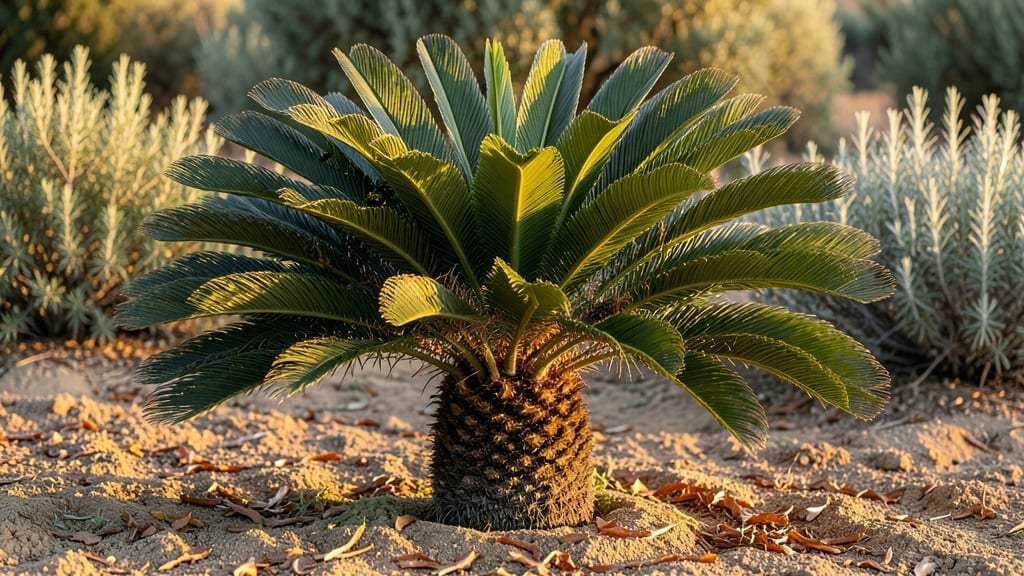
A palm tree for your front yard can bring instant tropical charm—even in colder climates where most palms struggle to survive.
Dreaming of a tropical front yard but live in a colder climate? These fast-growing palm tree varieties will surprise you with their cold tolerance and stunning curb appeal.
You don’t need to settle for boring evergreens or high-maintenance shrubs. The right palm can thrive in USDA Zone 6, adding height, texture, and year-round interest to your landscape.
Below, I’ll share the best cold-hardy palms for your yard, how to pick the perfect one for your space, and simple care tips to keep it looking lush for decades.
Top 5 cold-hardy palm trees perfect for front yards
If you've been dreaming of a tropical front yard but live in a northern climate, don't give up hope! Many cold-hardy palm varieties thrive in USDA zones 6-9 and add stunning curb appeal.
These palms grow well in cooler temperatures while maintaining their elegant, tropical look. I've tested these varieties in my own yard and can confidently recommend the top five for front yard landscaping.
When selecting a palm for your front yard, consider mature height, growth rate, and winter hardiness. The palms I'm sharing today not only survive cold snaps but also deliver fast growth and low maintenance—perfect for busy homeowners.
Let's dive into the specifics of each variety to help you make an informed choice for your landscape design.
Comparison Table: Top 5 Cold-Hardy Palm Trees
| Palm Variety | USDA Zones | Mature Height | Growth Rate | Cold Tolerance | Front Yard Fit |
|---|---|---|---|---|---|
| Windmill Palm (Trachycarpus fortunei) | 6-10 | 15-25 ft | Moderate (1-2 ft/year) | Survives -15°F | ✅ Excellent |
| Needle Palm (Rhapidophyllum hystrix) | 5-10 | 6-10 ft | Slow (6 in/year) | Survives -20°F | ✅ Perfect for small yards |
| Saw Palmetto (Arecastrum humile) | 7-11 | 10-15 ft | Moderate (1 ft/year) | Survives -10°F | ✅ Drought-tolerant |
| Dwarf Palmetto (Sabal minor) | 6-10 | 6-12 ft | Slow (4-6 in/year) | Survives -15°F | ✅ Compact & versatile |
| Chinese Windmill Palm (Trachycarpus wagnerianus) | 6-9 | 20-30 ft | Fast (2-3 ft/year) | Survives -10°F | ✅ Bold statement plant |
The Windmill Palm stands out as my top recommendation for front yard curb appeal. Its ruffled fronds create a stunning visual texture, and it grows well in USDA zones 6-10.
I planted one in my front yard last spring, and it's already become the focal point of my landscape design. This palm handles cold snaps beautifully, making it ideal for northern climates.
For smaller yards, the Needle Palm is a fantastic choice. Its compact size (6-10 ft) and unique spiky fronds add a tropical touch without overwhelming your space.
This palm thrives in USDA zones 5-10, making it one of the most cold-hardy options available. I've seen them survive -20°F temperatures with proper winter care.
If you're looking for a low-maintenance palm that handles drought conditions, consider the Saw Palmetto. This
How to choose the right palm tree for your front yard climate
Selecting the perfect palm tree for your front yard starts with understanding your local climate zone and soil conditions. Not all palms thrive in cold climates—some need USDA Zone 8+, while others handle Zone 6 winters with proper care.
Your yard's size and sunlight exposure also play critical roles in choosing the right variety.
Begin by checking your USDA hardiness zone using the USDA Plant Hardiness Zone Map. For example, Windmill palms (Trachycarpus fortunei) survive down to Zone 6, while Needle palms (Rhapidophyllum hystrix) thrive in Zone 5. Matching your zone to the palm's tolerance ensures long-term success and minimizes winter damage.
Soil type is another key factor. Most palms prefer well-draining, slightly acidic soil (pH 5.5–6.5). If your yard has clay-heavy or alkaline soil, amend it with compost or sand to improve drainage. Sandy soils may require organic matter to retain moisture.
Consider your yard's available space. Dwarf varieties like Pygmy Date Palm (Phoenix roebelenii) reach just 6–10 feet tall, perfect for small front yards, while Canary Island Date Palm (Phoenix canariensis) can grow 40–60 feet tall, ideal for larger properties.
| Palm Type | USDA Zone | Mature Height | Sunlight Needs | Soil Type | Best For |
|---|---|---|---|---|---|
| Windmill Palm | 6–9 | 15–20 ft | Full sun | Well-draining | Cold climates, urban yards |
| Needle Palm | 5–9 | 6–10 ft | Partial shade | Acidic, moist | Shady spots, small yards |
| Saw Palmetto | 7–10 | 10–15 ft | Full sun | Sandy, well-draining | Drought-prone areas |
| Pygmy Date Palm | 9–11 | 6–10 ft | Full sun | Well-draining | Containers, small spaces |
| Canary Island Date Palm | 9–11 | 40–60 ft | Full sun | Well-draining | Large yards, focal points |
Next, evaluate your yard's sunlight exposure. Most palms require 6+ hours of direct sunlight daily, but varieties like Needle Palm tolerate partial shade. If your front yard is shady, opt for shade-tolerant palms or position them near the south-facing side of your home for maximum light.
Finally, consider your front yard's aesthetic goals. Tall palms like Canary Island Date Palm create dramatic focal points, while dwarf palms add tropical charm without overwhelming small spaces. Pair your palm with complementary plants like yucca or ornamental grasses to enhance curb appeal.