
Pruning
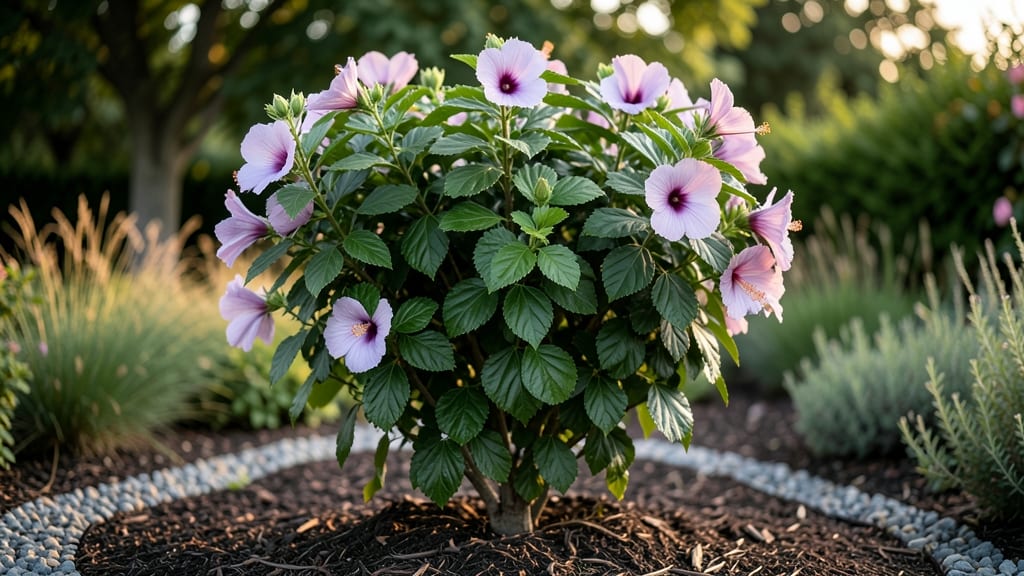
Pruning your Rose of Sharon tree or shrub in late winter unlocks its secret to year-round blooms—and I’ve finally cracked the code after years of over-pruning and under-pruning. 🌿 The key?
Timing, technique, and a little patience. Most gardeners cut too late or too aggressively, but this method keeps your plant thriving while maximizing those stunning trumpet-shaped flowers.
Start with clean, sharp pruners and focus on three goals: removing dead wood, thinning crowded branches, and shaping for airflow. I learned the hard way that skipping this step leads to fungal issues and fewer blooms—now my plant bursts with flowers from midsummer through fall.
The dormant season is the perfect time because the plant’s energy isn’t focused on new growth yet.
By early spring, you’ll see fresh green shoots emerging where you made your cuts, and within weeks, buds will form along those new stems. The result? A fuller, healthier plant that blooms longer than most shrubs in your neighborhood. Plus, the foliage stays lush and disease-resistant when you prune correctly.
Works for both small shrubs and tree-form Rose of Sharon—just adjust the height based on your space. Whether you’re in Zone 5 or 9, this method adapts to your climate. Ready to transform your plant’s blooming potential?
The first product explained
Meet the Fiskars ErgoSoft Rose & Shrub Pruner—your new secret weapon for tackling Hibiscus syriacus (aka the stunning Rose of Sharon) with ease! 🌹✂️ This premium pruning tool is designed to make dormant-season trimming a breeze, ensuring your shrub stays lush, healthy, and bursting with blooms year after year.
🔥 Key Specs & Features
Don’t let the sleek design fool you—this pruner packs serious functionality:
- Ergonomic Handle: Soft-grip, contoured design reduces hand fatigue, even during long pruning sessions.
- Precision Bypass Blade: Sharp, corrosion-resistant stainless steel blades deliver clean cuts (no jagged edges!) for faster healing.
- Adjustable Bypass: Customize the blade spacing to accommodate thick or thin stems—perfect for Rose of Sharon’s woody branches.
- Durable Construction: Built to last with a sturdy aluminum alloy frame and a lifetime warranty.
- Lightweight: Weighs just 10.5 oz, so you won’t feel arm strain after hours of pruning.
🎯 Who’s It For?
This pruner is a game-changer for:
- Gardening Enthusiasts: Ideal for homeowners who love nurturing their Rose of Sharon shrubs and want professional-grade results.
- Small-Space Gardeners: Perfect for urban yards, patios, or balconies where space (and tools) are limited.
- First-Time Pruners: The ergonomic design and sharp blades make it beginner-friendly—no more struggling with dull tools!
- Eco-Conscious Gardeners: The clean cuts promote healthier growth, reducing disease risk and encouraging vibrant blooms.
💰 Price Point & Value
Priced at $29.99, the Fiskars ErgoSoft pruner offers exceptional value for its quality and versatility. While it’s an investment upfront, the long-term benefits—like effortless pruning and a thriving Rose of Sharon—make it a steal. Plus, the lifetime warranty means you’re covered for life!
Pro Tip: 💡 Pair this pruner with a pair of gardening gloves for extra comfort and protection while tackling thorny Rose of Sharon branches.
The second product explained
If you’re looking for a premium pruning tool that combines precision with ease of use, the Fiskars ErgoSoft Bypass Pruners are a fantastic choice for your Rose of Sharon (Hibiscus syriacus) care routine.
These pruners are designed to make dormant-season trimming effortless while keeping your shrub thriving for year-round blooms. 🌿✨
📏 Specs & Features
Here’s what makes these pruners stand out:
- Ergonomic Design: Soft-grip handles reduce hand fatigue during long pruning sessions—ideal for shaping larger Rose of Sharon shrubs.
- Bypass Blades: Ultra-sharp, stainless-steel blades deliver clean cuts (no crushing stems), which is critical for promoting healthy regrowth.
- Adjustable Handle: Locking mechanism lets you customize the grip for left or right-handed users.
- Durability: Built to last with a lifetime warranty, ensuring these pruners stay sharp and reliable season after season.
- Weight: Lightweight (just 14 oz) for all-day comfort.
🎯 Target Users
These pruners are perfect for:
- Home gardeners who want a professional-grade tool without the hefty price tag.
- Landscapers or DIY enthusiasts tackling multiple Rose of Sharon shrubs.
- Anyone prioritizing precision pruning to encourage dense, blooming growth.
💰 Price Point & Value
Priced at $25–$35 (depending on retailer), these pruners offer exceptional value.
While they’re an investment upfront, their longevity and performance make them a cost-effective choice compared to cheaper alternatives that dull or break quickly. Pro tip: Pair them with Fiskars’ sharpening stone (sold separately) to maintain blade efficiency for decades! ✨
Head-to-head comparison
Deciding between treating your Rose of Sharon (Hibiscus syriacus) as a tree or a shrub can feel like choosing between two superstars—both deliver stunning blooms, but with different flair! 🌸 To help you pick the perfect growth style for your garden, let’s break down a side-by-side comparison of the two approaches.
Whether you’re dreaming of a bold focal point or a lush, layered hedge, this breakdown will guide you to the best fit for your space, time, and vision.
🌿 1. Growth Habit & Form
The most obvious difference between a Rose of Sharon grown as a tree or a shrub lies in its structure. Here’s how they stack up:
| Feature | Rose of Sharon as a Tree | Rose of Sharon as a Shrub |
|---|---|---|
| Height | Can reach 10–15 feet or taller with proper pruning and support. | Typically stays between 6–10 feet, depending on pruning. |
| Shape | Single trunk with a rounded or vase-like canopy (ideal for formal gardens). | Multi-stemmed with a natural, bushy appearance (great for hedges or borders). |
| Branching | Requires structured pruning to maintain a clear trunk and balanced branches. | Grows densely with many branches, perfect for layered foliage and blooms. |
| Space Needs | Needs more room (spreads 8–12 feet wide) for its expansive roots and branches. | Adaptable to smaller spaces (spreads 6–10 feet), making it hedge-friendly. |
💡 Pro Tip: If you’re short on space, a shrub form is your best bet—but if you want a dramatic wow factor, training it as a tree will give your garden a showstopping centerpiece!
🌱 2. Pruning Requirements
Pruning is where the real magic (and work!) happens. The approach differs dramatically depending on whether you’re shaping a tree or a shrub:
| Aspect | Tree Pruning | Shrub Pruning |
|---|---|---|
| Frequency | Requires annual pruning (dormant season) + occasional summer light trims to maintain form. | Can be pruned year-round, but dormant season is ideal for heavy shaping. |
| Technique |
|
|
| Time Commitment | Moderate to high—requires patience and precision to maintain the tree form. | Low to moderate—easier to shape with regular trims, especially for hedges. |
| Best For | Gardeners who love structured, sculptural plants and don’t mind extra effort. | Busy gardeners or those who prefer low-maintenance, lush foliage. |
✨ Expert Hack: If you’re new to pruning, start with the shrub form—it’s more forgiving! For tree pruning, invest in a sharp bypass pruner and take your time to avoid ugly stubs.
🌺 3. Bloom Performance
Both forms produce stunning, fragrant blooms in summer and fall, but there are nuances:
| Factor | Tree Form | Shrub Form |
|---|---|---|
| Flower Quantity | May have fewer but larger, showier blooms due to energy focused on trunk growth. | Produces more abundant blooms thanks to dense foliage and branches. |
| Bloom Duration | 6–8 weeks (summer to early fall), depending on pruning. | 8–10 weeks—often blooms longer due to more growth points. |
| Color Variety | Supports bold, single-stemmed blooms (great for focal points). | Displays clusters of blooms, creating a cascade of color. |
| Attracts Pollinators | Yes, but selectively—larger blooms may attract fewer insects than shrub clusters. | Highly attractive to bees, butterflies, and hummingbirds due to dense flowers. |
🎯 Goal-Oriented Tip: Want a romantic, cottage-garden feel? Go shrub! Crave a dramatic, almost tropical vibe? Train it as a tree.
💰 4. Cost & Maintenance
Your wallet (and schedule) will thank you for considering these factors:
| Expense | Tree Form | Shrub Form |
|---|---|---|
| Initial Plant Cost | $30–$60 (young tree with a staked trunk). | $20–$
Which one should you choose?So, is the Rose of Sharon a tree or a shrub? The answer is both—but with a twist! 🌿 Whether you're a gardening newbie or a seasoned green thumb, here’s how to decide which form suits your needs (and how to prune it for maximum beauty). 🌳 For Bold Garden Statements: Go for the Tree FormIf you want a dramatic focal point in your yard, training your Rose of Sharon as a small tree is a winner. This works best if you:
Pro tip: 💡 Start pruning young—select 3–5 strong central stems to form the trunk, then remove competing suckers. Use sharp shears to make clean cuts just above outward-facing buds. 🌸 For Low-Maintenance Beauty: Stick with the Shrub FormMost gardeners prefer the shrub version because it’s hardier, bushier, and easier to maintain. Opt for this if you:
Pro tip: ✨ Prune shrubs lightly in winter (remove dead wood and shape loosely) and harder in late spring to encourage dense blooms. Avoid shearing—it kills the natural shape! 🌿 Hybrid Hack: The "Small Tree" ShrubCan’t decide? Create a hybrid! Prune your Rose of Sharon to have a short trunk (3–4 feet) with multiple branches—like a mini tree. This gives you:
Pro tip: 🎯 Use a 3-way branch cutter for thicker stems to avoid tearing. Seal cuts with pruning sealant if your climate is harsh. 🚨 When to Avoid Pruning as a TreeSkip the tree form if:
Final Verdict: 🌟 Shrub form wins for most gardeners—it’s forgiving, versatile, and still stunning. But if you’re dreaming of a fairytale garden or a modern minimalist look, the tree form is worth the extra effort. Either way, prune in late winter (before buds swell) for the best results! |