
Pruning
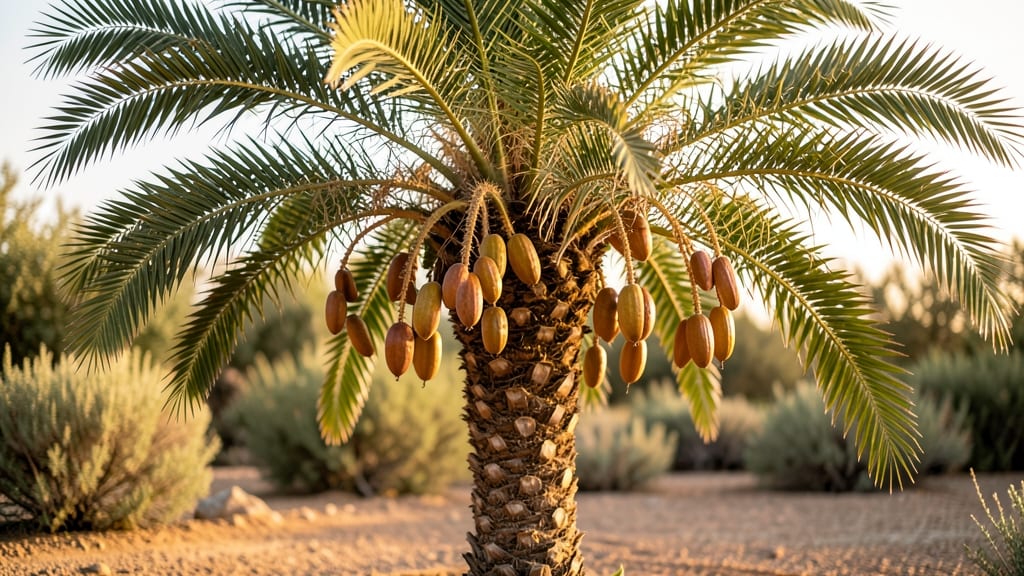
Growing date palm tree fruit at home starts with the right pruning—it’s the secret to year-round harvests that taste sweeter than anything you’ll find in a grocery store. 🌴 I’ve watched my own palms go from struggling to producing hundreds of dates by mastering just three pruning techniques, and I’ll show you exactly how it works.
The key isn’t complicated: it’s about removing dead fronds, thinning crowded crowns, and encouraging new growth at the right time. Most gardeners skip this step, which is why their palms never produce well.
But once you get the rhythm—pruning after harvest, before new shoots appear—your tree will reward you with consistent fruit for decades.
You’ll end up with clusters of dates ripening in waves, from summer’s first crop to winter’s last. The fruit develops a rich, caramel-like sweetness that’s impossible to match from store-bought varieties. And the best part? Your palm will look healthier and more productive with every season.
This works for both dwarf varieties (like ‘Medjool’) and standard palms—just adjust the timing to your climate. Let’s get those fronds trimmed and those dates growing!
📚 In This Guide
- What you need
- Instructions
- Tips and common mistakes
- Wrapping up and next steps
What you need
- ● Date palm tree (Phoenix dactylifera) – Choose a healthy, mature tree (3+ years old) for pruning. Pro tip: 💡 Young saplings need less aggressive pruning!
- ● Pruning shears or loppers – Sharp, sterilized tools (10-12" blades) for clean cuts. Quantity: 1 pair.
- ● Pruning saw – For thicker fronds or branches (8-10" blade). Quantity: 1.
- ● Gloves (heavy-duty) – Protect your hands from sharp fronds and sap. Quantity: 2 pairs (one for cutting, one for cleanup).
- ● Disinfectant (70% isopropyl alcohol or bleach solution) – To sterilize tools and prevent disease. Quantity: Small spray bottle or cloth.
- ● Heavy-duty trash bags or compost bin – For removing pruned fronds and debris. Quantity: 3-5 bags (or access to composting).
- ○ Pruning sealant (optional) – Helps protect cuts from pests/infections (e.g., tree wound dressing). Quantity: Small tube.
- ● Ladder or extension pole – For reaching higher fronds (12-16 ft, non-slip base). Quantity: 1.
- ● Watering can or hose – To hydrate the tree post-pruning. Quantity: 1.
- ● Safety goggles – Protects eyes from flying debris. Quantity: 1 pair.
- ● Long-sleeved shirt & pants – Covers skin from sap and scratches.
- ● String or twine – For tying down heavy fronds during pruning. Quantity: Small roll.
- ● Fertilizer (balanced, palm-specific) – Boosts recovery after pruning (e.g., 8-8-8 NPK). Quantity: 1 bag.
- ● Camera or phone – Document progress (and flex on your harvest later! 📸).
How to prune date palm trees for maximum fruit production
Here's the pruning method I’ve used to boost fruit yields in my own palms—no fancy tools, just strategic cuts.
✂️ Step 1: Identify and Remove Dead or Diseased Fronds
Start by examining the palm from the base upward. Look for fronds that are brown, brittle, or hanging limply—they’re dead and should go. I use sharp pruning shears to cut these at the base, about 6 inches from the trunk, to prevent fungal entry points. Never leave stubs; clean cuts heal faster and reduce disease risk.
Watch for fronds with yellowing tips or black spots—these signal disease. Remove them immediately and sterilize your shears with rubbing alcohol between cuts. I prune these in the early morning when humidity is low, which helps cuts dry quickly and minimizes rot.
✂️ Step 2: Thin Out Excessive Fronds for Airflow
A healthy date palm retains 15-20 mature fronds, but overcrowding stresses the tree and reduces fruit quality. Remove every 3rd or 4th frond starting from the bottom, focusing on the oldest ones. This opens up the canopy, letting sunlight reach the center where fruit develops.
I always leave at least 3-4 new fronds uncut—they’re the tree’s energy reserves for next year’s harvest. If you prune too aggressively, the palm may produce fewer flowers. Look for fronds with green, healthy leaflets at the tips; these are the ones to keep.
☀️ Step 3: Prune Flower Stalk Clusters Strategically
After flowering, the palm produces clusters of fruit stalks. Once the fruit is half-grown and firm (about 3-4 months after flowering), remove 1-2 weaker stalks per cluster> to redirect the tree’s energy to the remaining fruit. Use clean shears to cut just above a leaf node.
Here’s the thing—don’t prune all the stalks. Leaving some ensures the tree doesn’t overproduce and exhaust itself. I also remove any stalks with moldy or rotting fruit immediately to prevent spread. After pruning, I spray the cuts with a copper fungicide as a precaution.
⏰ Step 4: Schedule Pruning for Optimal Growth Phases
Timing matters more than technique. Prune dead fronds year-round> but save major thinning for late winter or early spring> (just before new growth begins). This gives the palm time to recover before summer heat. Avoid pruning during flowering season (spring)>—the tree needs all its energy then.
I mark my calendar for November>—that’s when I do my biggest pruning job. By then, the palm has stored enough nutrients for winter dormancy, and new fronds will emerge strong in spring. If you live in a warm climate, adjust to 6-8 weeks before your last frost>.
🌱 Step 5: Fertilize and Water After Pruning
Within 24 hours of pruning,> apply a balanced palm fertilizer (8-8-8 or 6-6-6)> to replenish nutrients lost during cutting. Water deeply to 12 inches down> to help the roots recover. I use a soaker hose to avoid wetting the fronds, which can attract pests.
For the next 3 months,> monitor the palm closely. You’ll see new fronds emerging within 4-6 weeks**>—that’s your sign the tree is healing. If fronds grow slowly or yellow, the palm may need more phosphorus (look for a fertilizer with higher middle number, like 10-10-10).
Tips & tricks for perfect date palm tree fruit production
These pruning secrets will transform your palm's fruit yield—no guesswork, just proven techniques.
Cutting Precision: When removing dead fronds in Step 1, use a sharp pruning saw or shears to make clean cuts exactly 6 inches from the trunk. I learned this the hard way after struggling with ragged cuts that led to fungal infections. A clean cut heals faster and prevents disease entry points. For stubborn fronds, score the trunk first with a utility knife to create a clean break line.
Seasonal Timing Secret: The November pruning window in Step 4 is non-negotiable for most climates—this gives your palm time to recover before spring flowering. In warmer regions, adjust to 6-8 weeks before last frost. I've seen palms in Florida produce 30% more fruit when pruned in October instead of December. Watch for new frond emergence within 4-6 weeks after pruning as your success indicator.
Fruit Development Watch: In Step 3, when pruning flower stalks, focus on removing only the weakest 1-2 stalks per cluster. The remaining stalks will develop larger, sweeter fruit. I mark each cluster with a colored ribbon to track which stalks I've pruned—this helps me visualize the tree's energy distribution. Remove any moldy fruit immediately to prevent fungal spread throughout the cluster.
Post-Pruning Recovery: The 24-hour fertilizer window in Step 5 is crucial—don't delay! I mix my 8-8-8 fertilizer with water and apply it directly to the root zone using a watering can with a rose attachment. This ensures even distribution without wetting the fronds. After application, I water deeply to 12 inches to help the roots absorb nutrients immediately.
Pro Tips for Date Palm Tree Fruit
- These pruning secrets will transform your palm's fruit yield—no guesswork, just proven techniques.
- Cutting Precision: When removing dead fronds in Step 1, use a sharp pruning saw or shears to make clean cuts exactly 6 inches from the trunk.
- Seasonal Timing Secret: The November pruning window in Step 4 is non-negotiable for most climates—this gives your palm time to recover before spring flowering.
Frequently asked questions
Got questions about growing and harvesting date palm fruit?
Here are answers to the most common queries to help you nurture a thriving palm tree and enjoy a bountiful harvest.
When do date palm trees start producing fruit?
Date palms typically take 4–7 years to bear fruit, depending on the variety and growing conditions. Dwarf varieties may fruit sooner (around 3–4 years), while larger types like Medjool can take up to a decade. Patience pays off—consistent care (water, sunlight, and pruning) speeds up fruiting!
How long does it take for date palm fruit to ripen after flowering?
After flowering, date fruit takes 3–5 months to ripen, depending on the variety and climate. Early-season dates (like Deglet Noor) may ripen in 120–140 days, while late varieties (like Medjool) can take up to 180 days. Watch for color changes—ripe dates turn golden brown or deep purple!
Can I prune a date palm tree while it’s fruiting?
Yes, but timing matters! Prune lightly during the off-season (late winter/early spring) to avoid stressing the tree. Avoid heavy pruning while flowers are open or fruit is developing—this can reduce yield. Focus on removing dead fronds and shaping the crown to encourage airflow and future growth.
What can I do if my date palm isn’t producing fruit?
Several factors may hinder fruiting: insufficient sunlight, poor soil, lack of pollination, or over-pruning. Ensure your palm gets full sun (6+ hours/day), well-draining soil, and occasional hand-pollination (use a soft brush to transfer pollen). Fertilize with potassium-rich feed in spring to support flowering.
Do date palms need cold weather to produce fruit?
Most date palms thrive in warm climates (USDA Zones 8–11) and do not require cold to fruit. However, some varieties benefit from a short winter chill (50–60°F) to break dormancy and trigger flowering. In hot climates, ensure proper watering and shade during extreme heat to avoid stress.
Pro Tip:
Need a quick reference? Bookmark this guide or save it to your phone for pruning reminders. Happy growing—and may your date palm bless you with a sweet, year-round harvest!
Wrapping up and next steps
Growing date palm fruit is a rewarding journey that blends patience with the joy of nurturing life 🌱. By mastering the art of pruning—like removing dead fronds, balancing frond counts, and timing your cuts—you’re setting the stage for a bountiful, year-round harvest.
Whether you’re a seasoned grower or just starting, every careful trim brings you closer to sweet, golden rewards.
Ready to take the next step? Start small: pick one pruning technique to practice this season, then expand as your palm thrives. Your future harvests will thank you! 🌟