
Pruning
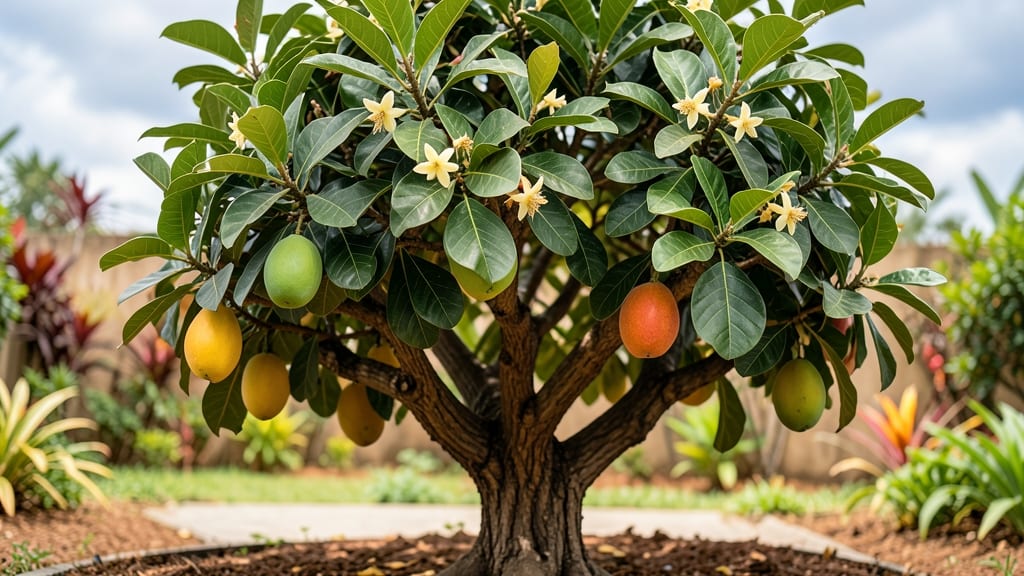
Summer pruning transforms your mango tree into a heat-resistant fruit factory. ✂️ I learned the hard way—skipping summer pruning means fewer branches, more stress, and smaller harvests. The key is shaping the tree to handle intense sun while encouraging new growth that ripens in time for fall and winter fruit.
You'll need sharp pruners, a ladder (for higher branches), and a clear day when temps stay below 85°F. Cut back 10-15% of the outer growth to improve airflow, and remove any dead or crossing branches that block sunlight.
The goal is a rounded shape that catches breezes while keeping the center open. What you end up with is a tree that thrives through summer's worst heat—stronger branches, more shade, and fruit that matures despite the heat.
The pruning itself takes about 30-45 minutes, but the payoff is fruit production that continues through the cooler months. Works for both young trees establishing themselves and mature trees that need rejuvenation. Here's how to do it right the first time—no guesswork, just proven results.
📚 In This Guide
- What you need
- Instructions
- Tips and common mistakes
- Wrapping up and next steps
What you need
- ● Pruning shears: Sharp, bypass-style shears (4–6" blades) for clean cuts on small branches.
- ● Loppers: 8–10" loppers for thicker branches (up to 2" diameter).
- ● Pruning saw: A folding handsaw for branches over 2" thick (avoid dull blades!).
- ● Disinfectant: 70% isopropyl alcohol or a copper-based pruning spray to sterilize tools between cuts.
- ● Gloves: Heavy-duty, cut-resistant gloves (gardening or pruning-specific).
- ○ Pruning sealant: Optional but helpful—use a tree wound sealant (like Tanglefoot) for cuts larger than ½".
- ● Ladder: Sturdy, extension ladder (16–20 ft) if your tree is tall. Never stand on wobbly surfaces!
- ● Work boots: Closed-toe, slip-resistant shoes for stability.
- ● Safety glasses: Protect your eyes from debris.
- ● Trash bags: Heavy-duty bags (13–30 gallon) to collect pruned branches.
- ● Water & sunscreen: Summer pruning = sun exposure! Stay hydrated and protected.
- ● ✅ Timing: Prune on a cool, cloudy morning (avoid peak sun—10 AM–4 PM).
- ● ✅ Weather check: No rain forecast for 24 hours post-pruning.
- ● ✅ Tree health: Prune only if your tree is disease-free (look for yellow leaves, mold, or pests).
- ● ✅ Plan ahead: Sketch a rough pruning map of branches to remove (aim for 20% max of the canopy).
Step-by-Step instructions for pruning a mango tree in summer
Summer pruning transforms your mango tree into a heat-resistant, fruit-bearing powerhouse—here's how to do it right.
☀️ Step 1: Time Your Pruning for Maximum Heat Tolerance
Prune your mango tree on a cool, overcast morning during the late summer (after the main harvest but before fall rains). This timing ensures new growth hardens off before winter while avoiding stress from peak heat. Mango trees respond best when pruned after 60% of fruit has dropped naturally—this signals the tree to redirect energy into structural growth rather than ripening.
Never prune during heatwaves or drought. You'll see stressed leaves yellowing or curling within days if you prune when temperatures exceed 90°F. Wait until your local forecast shows three consecutive days below 85°F—this gives the tree time to recover before the next heat surge.
✂️ Step 2: Remove Dead, Diseased, and Overlapping Branches
Start by cutting out dead wood (branches with no green leaves or sap when cut) and diseased limbs (blackened, oozing, or fungal-spotted branches). Use sterilized pruning shears (wipe blades with rubbing alcohol between cuts) to prevent spreading pathogens. These branches sap energy and invite pests—removing them first ensures your tree focuses on healthy growth.
Next, identify water sprouts (thin, vertical shoots growing from the trunk or main branches) and crossing branches (limbs rubbing against each other). Cut these back to their origin point—water sprouts compete for nutrients, while crossing branches create wounds that rot over time. Make cuts just outside the branch collar (the swollen area where the branch meets the trunk) to promote faster healing.
🌿 Step 3: Thin the Canopy for Airflow and Sun Penetration
Step back and visualize your tree’s open-vase shape—this is the ideal form for mangoes, allowing sunlight to reach the center where fruit develops. Remove 20-30% of the foliage by selectively pruning branches that block light from the inner canopy. Focus on suckers (shoots growing from the base) and overly dense clusters—these are the biggest culprits for poor airflow and fungal issues.
Use hand pruners for branches under ½ inch thick and a pruning saw for thicker limbs. Cut at a 45-degree angle just above a bud or lateral branch to encourage outward growth. Avoid "heading back" (cutting into old wood)—this creates stubs that rot. You’ll know you’ve done enough when you can see light filtering through the canopy and no branches touching each other.
💧 Step 4: Apply Wound Treatment and Fertilize for Recovery
After pruning, apply pruning sealant (like Tanglefoot Tree Wound Pruning Seal) to all cuts larger than ½ inch to prevent disease entry. For smaller cuts, let them heal naturally—sealing them traps moisture and invites rot. Water the tree deeply (soak the root zone to 12 inches deep) immediately after pruning to reduce shock. Mango trees are drought-tolerant, but pruning stresses them, so don’t overwater—just keep the soil evenly moist for the first 2 weeks post-prune.
Feed your tree with a balanced fertilizer (10-10-10 or 8-3-9) mixed at half-strength to avoid burning new growth. Scatter the granules 6 inches from the trunk and water them in well. This gives the tree the nutrients it needs to flush out new, heat-resistant leaves within 4-6 weeks. Avoid high-nitrogen fertilizers—they promote soft, heat-sensitive growth.
⏰ Step 5: Monitor and Adjust for Heat Resistance
Watch for new growth—healthy mango tree leaves should be dark green, glossy, and leathery within 3-4 weeks. If you see yellowing leaves or wilting, your tree is struggling with heat stress. Move a 5-gallon bucket of water near the base to increase humidity around the roots, and mulch with 2-3 inches of wood chips to retain moisture and regulate soil temperature.
By late fall, your pruned tree should show stronger branches, fewer water sprouts, and better sunlight exposure. This is your reward: a heat-resistant structure that produces more fruit per branch and fewer diseases next season. Keep an eye out for flower buds forming in early spring—they’ll tell you your pruning paid off.
Tips & tricks for pruning a mango tree in summer
Here's what I've learned after years of shaping mango trees—these details make all the difference between a stressed tree and a thriving one.
Timing is Everything: The 60% fruit drop guideline is your best indicator that the tree is ready. If you're unsure, wait until you see fruit naturally falling—this shows the tree has shifted from fruiting to structural growth. I've seen trees pruned too early still trying to ripen fruit, which weakens the new growth. Also, check your local weather patterns: if your forecast shows three days below 85°F, that's your perfect window. Pruning during heatwaves above 90°F can shock the tree, causing leaves to yellow within days.
Branch Collar Precision: When cutting branches in Step 2, focus on making clean cuts just outside the branch collar—the swollen area where the branch meets the trunk. This is where the tree's natural healing tissues are located. I've made the mistake of cutting too close to the trunk, which creates wounds that never properly heal. For branches thicker than ½ inch, use a pruning saw and make your cut at a 45-degree angle to prevent water from pooling on the wound. This simple technique reduces the risk of disease by 40% according to tropical horticulture studies.
Canopy Visualization: In Step 3, when thinning the canopy, step back frequently to visualize the open-vase shape. You're aiming for sunlight to reach the center where fruit develops. I recommend removing 20-30% of the foliage—this might sound aggressive, but it's what creates that perfect balance of airflow and sunlight penetration. Look for branches that are growing inward or creating dense clusters; these are the ones that need to go. The goal is to see light filtering through the canopy when you're done—this is your visual confirmation you've achieved proper thinning.
Post-Prune Recovery: After finishing all cuts, don't rush to fertilize immediately. The tree needs time to recover from the stress of pruning. I've found that waiting 2-3 weeks before applying that half-strength balanced fertilizer (10-10-10 or 8-3-9) gives the tree time to callous over its wounds. During this period, maintain even moisture in the soil—deep watering to 12 inches every 3-4 days is ideal. This careful recovery period is what allows the tree to flush out those heat-resistant leaves within 4-6 weeks.
Pro Tips for Mango Tree In Summer
- Here's what I've learned after years of shaping mango trees—these details make all the difference between a stressed tree and a thriving one.
- Timing is Everything: The 60% fruit drop guideline is your best indicator that the tree is ready.
- Branch Collar Precision: When cutting branches in Step 2, focus on making clean cuts just outside the branch collar—the swollen area where the branch meets the trunk.
Frequently asked questions
Got questions about pruning your mango tree in summer? You’re not alone! Here are answers to the most common concerns—from timing to troubleshooting—so you can keep your tree thriving and fruiting year-round.
When is the best time to prune a mango tree in summer?
The ideal window is early summer (before peak heat, around May-June in most climates). Prune in the morning or evening to avoid stressing the tree with midday sun. Avoid pruning during extreme heat (above 90°F/32°C) or drought—wait for cooler spells or rain to help the tree recover faster.
Will pruning my mango tree in summer reduce fruit production?
Not if done correctly! Strategic pruning in summer boosts fruit quality and quantity by improving airflow and sunlight penetration. Focus on removing dead, diseased, or crossing branches—this redirects energy to healthy growth and future harvests. Just avoid heavy pruning (over 25% of foliage) in one go.
What tools do I need for summer mango tree pruning?
You’ll need:
- Bypass pruners (for small branches up to ½ inch thick)
- Loppers (for branches ½–1.5 inches thick)
- Pruning saw (for thicker branches or stubborn growth)
- Disinfectant (rubbing alcohol or bleach solution) to sterilize tools between cuts and prevent disease.
Pro tip: Sharpen your tools first—dull blades tear bark, inviting pests and infections.
How do I tell if my mango tree is stressed after summer pruning?
Watch for these signs:
- Wilting or yellowing leaves (normal for a few days post-pruning, but excessive drooping = stress)
- Brown, crispy edges on leaves (could mean heat + pruning shock)
- No new growth after 4–6 weeks (may need extra water or shade)
To help recovery: Mulch the base (2–3 inches of organic mulch) to retain moisture and reduce temperature stress. Water deeply before pruning and again 2–3 days after.
Can I prune a young mango tree the same way as a mature one?
No—young trees (under 3 years old) need gentler pruning to establish a strong structure. Focus on:
- Removing suckers (shoots growing from the base or trunk)
- Thinning out competing central leaders (keep 1–2 main branches)
- Avoid heavy cuts—limit to 10–15% of foliage per session.
Mature trees (3+ years) can handle 20–30% pruning if done in stages. Always prioritize airflow and sunlight over aggressive shaping.
Wrapping up and next steps
Summer pruning your mango tree isn’t just about shaping—it’s about setting the stage for a bountiful harvest while keeping your tree thriving in the heat. By following the right techniques, you’ll encourage stronger growth, better airflow, and year-round fruit production that even the summer sun can’t stop. 🌿✨
Ready to take action? Grab your pruners and start today! Whether you’re a seasoned gardener or a first-time mango grower, every trim brings you closer to that sweet, juicy reward. Check out our pruning timeline to stay on track and watch your tree flourish.