
Trees
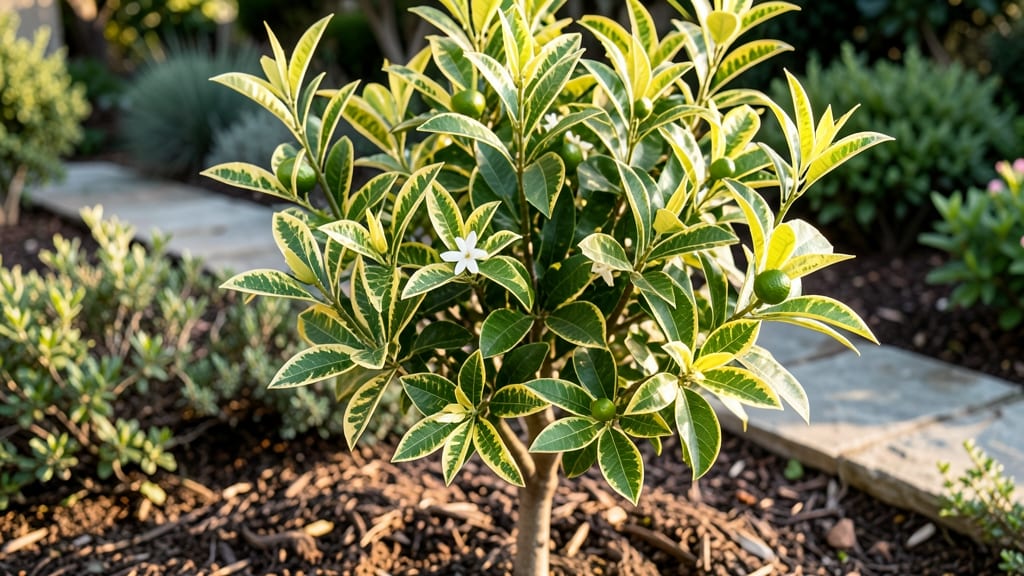
Your tree’s leaves turning lime green isn’t just odd—it’s a cry for help. 🌿 I’ve seen this happen after heavy rains, chemical sprays, or even a sudden shift in soil pH, and the good news is you can often fix it before it spreads.
The key is figuring out whether it’s a nutrient deficiency, pest issue, or environmental stress causing the color change.
Start by checking the soil—lime green often means nitrogen or magnesium is missing, or the pH is throwing off iron uptake. Grab a soil test kit (or send a sample to your local extension office) to confirm.
If pests are the culprit, look for tiny webs, holes, or sap on branches—those are dead giveaways. Environmental stress? Overwatering or poor drainage can suffocate roots, turning leaves pale and weak.
Once you know the cause, the fixes are straightforward: amend the soil with compost or specific fertilizers, prune damaged branches, or adjust your watering routine. Within weeks, you’ll see those leaves deepen back to their natural shade.
The best part? Trees recover faster than you’d think when you address the root of the problem.
This works for any tree—from young saplings to mature oaks—so don’t wait until the whole canopy turns sickly. A little detective work now saves a lot of heartache later. Let’s get those leaves back to vibrant!
Root Causes of Unnatural Leaf Color
If your tree’s leaves are turning an unnatural lime green, it’s often a sign that something is disrupting its natural chlorophyll production or nutrient balance. Below, we break down the most common reasons—each with a clear scientific explanation—and what triggers them.
Understanding the cause is the first step to restoring your tree’s vibrant health.
A sudden shift to lime green leaves is frequently tied to nutrient imbalances, particularly a lack of nitrogen, magnesium, or iron. These elements are critical for chlorophyll synthesis, and their deficiency can turn leaves pale or yellowish-green.
- Nitrogen Deficiency: Nitrogen is the building block of chlorophyll. When soil lacks it, leaves lose their deep green hue and may appear lime green or yellowish. This is common in sandy or overly acidic soils where nitrogen leaches away quickly. Test your soil’s pH—ideal levels for most trees are between 6.0 and 7.0. If it’s too acidic (<5.5), nitrogen becomes unavailable to roots.
- Magnesium Deficiency (Chlorosis):
Magnesium is central to chlorophyll molecules. A deficiency causes interveinal yellowing (green veins with lime-green areas between them), often starting on older leaves. Compacted or alkaline soils (
Epsom salt (magnesium sulfate) applied as a foliar spray can provide a quick fix. - Iron Deficiency: Iron is essential for chlorophyll production, but its availability drops in alkaline soils (pH >7.0). Lime green leaves with yellowing between veins (similar to magnesium deficiency) may indicate iron chlorosis. Unlike magnesium, iron deficiencies often appear on younger leaves first. Use chelated iron supplements or adjust soil pH with sulfur.
💡 Pro Tip: Conduct a soil test before amending—overcorrecting pH or adding too many nutrients can harm roots. Organic matter (compost) improves nutrient retention naturally.
Water plays a direct role in nutrient absorption and chlorophyll function. Both overwatering and underwatering can lead to lime green leaves by disrupting root health or causing oxygen deprivation.
- Underwatering: When roots struggle to absorb water, the tree prioritizes essential functions, often at the expense of leaf pigmentation. Leaves may curl, feel dry, and turn dull lime green. Check soil moisture 2–3 inches deep—if it’s bone-dry, your tree needs water. Deep watering (1–2 inches per week) encourages roots to grow deeper, improving stability.
- Overwatering: Excess water displaces oxygen in the soil, suffocating roots and preventing nutrient uptake. Lime green leaves paired with yellowing or drooping are classic signs of root rot. Test drainage: If water pools after 6 hours, amend soil with perlite or sand. Let the top 2 inches dry out between waterings.
- Poor Drainage: Clay-heavy or compacted soil traps water, leading to anaerobic conditions where roots can’t access nutrients. Amend with gypsum or organic compost to improve aeration. Raised beds or mulch can also help.
⚠️ Warning: If leaves are lime green + mushy or blackened, root rot may be setting in. Prune affected roots (if accessible) and repot or transplant if necessary.
Exposure to salt buildup, herbicides, or improper fertilizers can scorch leaves and disrupt chlorophyll, resulting in a pale green or lime hue. Here’s how it happens:
- Salt Burn (From Fertilizers or Irrigation): Over-fertilizing or using tap water high in sodium/chloride creates a saline soil environment. Roots struggle to absorb water and nutrients, leading to crispy edges and lime green discoloration. Flush the soil with 2–3 inches of water to leach out excess salts. Use rainwater or distilled water for irrigation.
- Herbicide or Pesticide Damage: Systemic herbicides (e.g., glyphosate) or copper-based fungicides can block nutrient uptake, causing leaves to turn pale. If you’ve applied chemicals nearby, rinse leaves with water and avoid reapplying until symptoms improve. Use targeted sprays to minimize drift.
- Alkaline Soil Reactions: Soils with a pH >8.0 reduce iron and manganese availability, leading to chlorosis. Elemental sulfur or peat moss can lower pH gradually. Never add lime to acidic soil—it worsens deficiencies.
🔍 Diagnostic Tip: Examine the underside of leaves for white powder (fungal salt deposits) or sticky residue (pesticide buildup). Wipe a leaf with a damp cloth—if it leaves a film, chemical damage is likely.
Some pests and pathogens feed on leaf tissue or block nutrient transport, causing leaves to lose their rich green color and turn lime green. Here’s how to spot the culprits:
- Spider Mites or Aphids: These tiny pests suck sap from leaves, reducing chlorophyll and causing stippling or yellowing. Look for fine webbing (mites) or sticky honeydew (aphids). Blast leaves with water to dislodge them, or use neem oil or insecticidal soap.
- Fungal Infections (e.g., Powdery Mildew): Fungi like powdery mildew coat leaves in a white film, blocking sunlight and turning leaves pale. Prune affected branches and apply baking soda spray (1 tsp baking soda + 1 quart water + drop of soap) every 7–10 days.
- Root-Knot Nematodes: These microscopic worms damage roots**, reducing water and nutrient absorption. Lime green leaves paired with stunted growth may indicate an infestation. Solarize soil (cover with plastic for 4–6 weeks) or plant nematode-resistant varieties.
🛡️ Prevention: Healthy trees resist pests better. Mulch around the base to deter mites, and avoid overhead watering to reduce fungal spores.
Reviving your tree’s vibrant health
If your tree’s lime-green leaves are signaling distress, don’t panic—most issues are fixable with the right approach! Below, we’ve mapped out practical solutions tailored to the root cause, from quick fixes to long-term care. Follow these steps to restore your tree’s lush, healthy glow.
Symptoms: Yellowing leaves, soggy soil, or wilting despite water. Why it happens: Too much water suffocates roots, cutting off oxygen and nutrients.
🔥 Step 1: Check the Soil Moisture
- Stick your finger 2 inches deep into the soil. If it’s damp, hold off on watering.
- Pro tip: 💡 Use a moisture meter for accuracy—overwatering is a silent killer!
🍳 Step 2: Improve Drainage
- For potted trees: Add a layer of gravel or perlite to the bottom of the pot before repotting.
- For in-ground trees: Amend the soil with compost or sand to loosen compacted areas.
- ⏰ Time it right: Water deeply once a week (adjust for climate) and let the top 1–2 inches dry out between sessions.
👨🍳 Step 3: Prune Damaged Roots (If Needed)
- If roots are rotting (black/mushy), trim them with sterilized shears and replant in well-draining soil.
- Prevention: 🌡️ Avoid heavy mulch piles near the trunk—keep it 2–3 inches deep to prevent water pooling.
Symptoms: Crispy edges, bleached lime-green leaves, or drooping branches. Why it happens: Intense sun or drought causes oxidative stress, turning leaves pale or yellow.
🔥 Step 1: Provide Shade Strategically
- Temporary fix: Use shade cloth (30–50%) or move potted trees to a morning-sun spot.
- Permanent fix: Plant fast-growing shade trees (like silver maple) nearby for natural protection.
🥘 Step 2: Water Deeply & Often
- Morning watering is best—1–2 inches per week (more in extreme heat).
- Mulch well: Spread 3 inches of mulch (wood chips or straw) to retain moisture.
🎯 Step 3: Boost Nutrients for Heat Recovery
- Feed with a balanced fertilizer (10-10-10) or seaweed extract to strengthen cell walls.
- Prevention: 🌿 Water trees before heatwaves hit—prevention beats damage control!
Symptoms: Spots, webs, or sticky residue on leaves; yellowing with black/brown patches. Why it happens: Fungi (like powdery mildew) or pests (aphids, mites) sap nutrients, causing discoloration.
🔪 Step 1: Identify the Culprit
- Fungi? Look for white powder (mildew) or black spots (anthracnose).
- Pests? Check undersides of leaves for tiny bugs, webbing, or honeydew.
- Quick test: 🔍 Hold a leaf over water—if bugs drop in, you’ve got an infestation!
🌡️ Step 2: Treat Accordingly
| Issue | Fix |
|---|---|
| Powdery Mildew | Spray neem oil or baking soda mix (1 tsp baking soda + 1 quart water + drop of soap). |
| Aphids/Mites | Blast off with water spray, then apply insecticidal soap. |
| Root Rot | Remove infected roots, sterilize tools, and replant in fresh soil. |
✨ Step 3: Prevent Future Outbreaks
- Airflow is key: Prune branches to improve circulation.
- Clean up: 🧹 Remove fallen leaves/debris where fungi/pests hide.
- Resistant varieties: Plant disease-resistant species (e.g., oak or ginkgo) if recurrent issues occur.
Symptoms: Uniform yellowing (especially older leaves), stunted growth. Why it happens: Lack of nitrogen, iron, or magnesium leads to chlorosis (lime-green/yellow leaves).
💪 Step 1: Test Your Soil
- Grab a DIY soil test kit ($10–$20) or send a sample to a local extension office.
- Common deficiencies:
- Yellow between veins? → Iron/magnesium (Epsom salt spray helps).
- Pale new growth? → Nitrogen (use blood meal or fish emulsion).
🥗 Step 2: Apply Targeted Fertilizers
- For iron deficiency: Mix 1 tbsp Epsom salt in 1 gallon of water and spray leaves.
- For nitrogen: Top-dress with compost or slow-release granules in spring.
- 📊 Pro tip: Over-fertilizing burns roots—follow package rates!
🍎 Step 3: Boost Soil Health Long-Term
- Mulch annually with well-rotted manure or leaf mold.
- Avoid synthetic chemicals—they disrupt microbial life in soil.
Remember: Consistency is key! Monitor your tree’s progress over 4–6 weeks after treatments. If lime-green leaves persist, dig deeper (literally—check roots) or consult a local arborist for a pro diagnosis. With these fixes, your tree will be back to its vibrant self in no time! 🌳💚
Frequently asked questions
Why do some trees naturally have lime green leaves?
Some ornamental trees like Lime Tree (Tilia) or Lime Green Hawthorn have naturally pale green foliage due to their genetics. These varieties produce less chlorophyll than typical trees, resulting in a softer, lime-hued appearance. If your tree is a known cultivar, this is completely normal and doesn't require treatment.
How can I tell if lime green leaves are from pests vs. nutrient issues?
Check the leaf undersides for pests like spider mites (tiny webs) or aphids (sticky honeydew). Nutrient issues usually show as uniform yellowing between veins, while pests create speckled or spotted patterns. Examine new growth first—pests often attack tender leaves first, while deficiencies start on older leaves.
Will Epsom salt fix all types of lime green leaves?
No—Epsom salt (magnesium sulfate) only works for magnesium deficiencies. For iron deficiency, use chelated iron supplements, and for nitrogen issues, organic matter like compost works better. Always test your soil first to identify the exact deficiency causing the lime green color. Overusing Epsom salt can harm trees by altering soil chemistry.
How long does it take to see improvement after treating lime green leaves?
With proper care, you should see noticeable improvement in 2-4 weeks. Nutrient deficiencies respond fastest when corrected, while pest damage may take 4-6 weeks to fully recover. Monitor your tree's progress and adjust treatments as needed. Patience is key—don't expect overnight results, especially with mature trees.
Can I use household items to fix lime green leaves?
Yes! For magnesium deficiency, use Epsom salt (1 tbsp per gallon of water) as a foliar spray. For pests, try neem oil (1 tsp per quart of water) or soapy water spray. For overwatering issues, simply adjust your watering schedule. These DIY solutions work well for mild cases. Just avoid harsh chemicals like bleach or vinegar, which can damage leaves.