
Trees
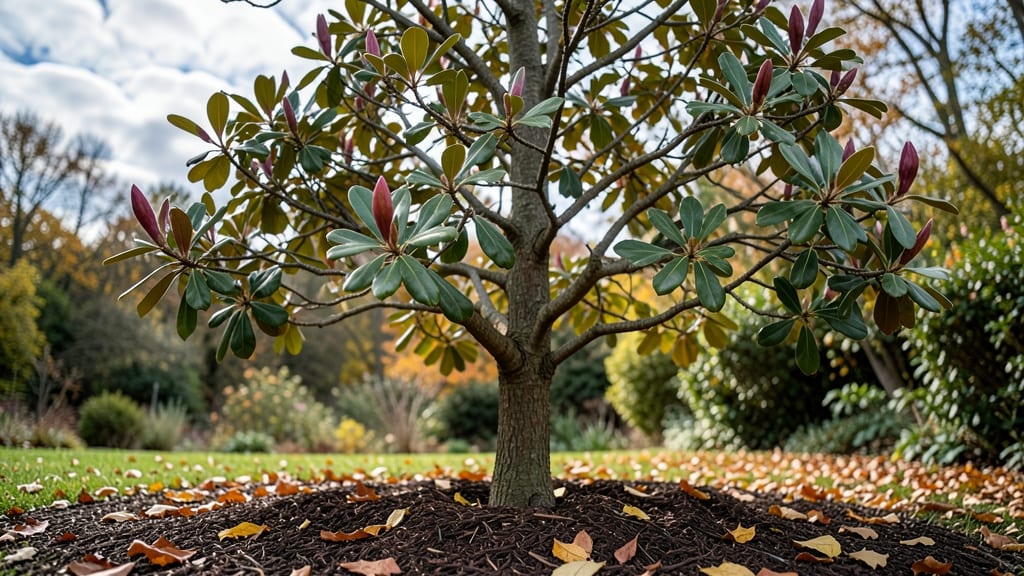
Seeing your magnolia tree leaves falling off like snow in spring? That heart-drop moment happens to even the most patient gardeners. I’ve watched my own Southern magnolia lose entire branches—until I learned the five key triggers behind premature leaf drop.
The good news? Most causes have simple fixes, and the earlier you act, the faster your tree bounces back.
First, rule out the big three: fungal infections (like anthracnose), nutrient deficiencies (especially iron or nitrogen), and environmental shock (sudden temperature swings or transplant stress). Each leaves distinct clues—yellowing between veins for iron deficiency, black spots for fungus, or crispy edges for drought.
My journal notes helped me spot patterns: the leaves fell fastest after that late frost, not the usual summer heat.
You’ll start with targeted solutions: copper fungicide for spots, chelated iron for pale leaves, or deep watering for dry soil. Within weeks, new growth appears—thicker and greener than before.
The key is acting before 30% of the canopy is affected. (Yes, I’ve learned that the hard way with my second magnolia.)
For stubborn cases or large trees, call an arborist—some issues like magnolia scale infestations need professional treatment. But 80% of the time, home care works. Your tree’s got more fight in it than you think—let’s get those leaves back where they belong.
Common Causes Behind Leaf Drop
Understanding why your magnolia tree’s leaves are falling off starts with identifying the root cause—literally and figuratively. Magnolias are resilient, but stress from environmental factors, pests, or diseases can trigger premature leaf drop.
Below, we break down the most common culprits with clear explanations and actionable insights to help you diagnose the issue.
Magnolias thrive in specific conditions, and when those needs aren’t met, leaves may yellow, wilt, or drop unexpectedly. Here’s what to watch for:
- 🌡️ Extreme Heat or Drought Magnolias prefer well-drained soil and consistent moisture, especially during their active growing season (spring to early summer). When temperatures soar above 90°F (32°C) or soil dries out, leaves may curl, brown at the edges, and eventually fall off.
This is the tree’s way of conserving water. - Actionable fix: Water deeply 1–2 times per week (depending on rainfall) and mulch the base of the tree to retain moisture. Avoid overhead watering, which can promote fungal diseases.
- ❄️ Frost or Late Freezes Young magnolia leaves are particularly vulnerable to late spring frosts (below 28°F/-2°C). Frost damage appears as blackened, mushy, or crispy leaves that drop within days.
Even mature trees may shed leaves if exposed to sudden cold snaps after bud break. - Actionable fix: Plant cold-hardy varieties (like Magnolia grandiflora or Magnolia stellata) in sheltered locations. Use frost cloths for young trees if late frosts are forecasted.
- 🌪️ Wind or Physical Damage Strong winds can tear leaves or branches, leading to premature drop.
Additionally, hail or mechanical damage (e.g., from lawn equipment) can stress the tree, causing it to shed foliage as a protective response. - Actionable fix: Prune weak or overhanging branches in late winter/early spring.
If the tree is in a windy area, consider planting it near a windbreak (like a fence or hedge).
Pests don’t just eat leaves—they inject toxins, weaken the tree, and trigger leaf drop. Here’s how to spot them:
- 🐜 Magnolia Scale or Spider Mites These sap-sucking pests cluster on the undersides of leaves, causing them to yellow, crisp, and fall. Scale insects excrete honeydew, which attracts sooty mold (a black fungal growth).
Spider mites create fine webbing and cause stippling (tiny white dots) on leaves. - Actionable fix: - For scale: Apply horticultural oil or insecticidal soap in early spring (before buds open) or late fall.
Repeat every 7–10 days. - For mites: Spray with neem oil or introduce beneficial predators like ladybugs. Keep the tree hydrated to deter mites.
- 🐛 Magnolia Shoot Borer or Webworms The magnolia shoot borer larvae tunnel into stems, while webworms spin silken nests on leaves, defoliating the tree. Both pests weaken the tree, leading to leaf drop. - Actionable fix: Prune and destroy infested branches in late winter.
Apply Bt (Bacillus thuringiensis) spray for webworms or permethrin for borers (follow label instructions).
Fungi and bacteria thrive in moist, warm conditions and can cause rapid leaf drop if left unchecked. Look for these red flags:
- 🍄 Anthracnose or Powdery Mildew Anthracnose appears as dark, sunken spots on leaves, often with yellow halos. Powdery mildew coats leaves in a white, powdery film, causing them to yellow and drop prematurely. - Actionable fix: - Prevention: Improve air circulation by pruning dense foliage.
Water at the base (not overhead) and avoid wetting leaves. - Treatment: Apply copper fungicide (for anthracnose) or sulfur-based fungicide (for mildew) at the first sign of infection. Clean up fallen leaves to prevent reinfection.
- 🦠 Bacterial Leaf Spot This disease causes irregular brown spots with yellow edges and oozing bacteria. Infected leaves may drop within weeks, and the disease can spread to branches. - Actionable fix: Remove and destroy infected leaves immediately.
Apply copper fungicide and avoid overhead irrigation. Sterilize pruning tools with rubbing alcohol to prevent spread.
Magnolias need balanced nutrition, but too little or too much fertilizer can cause stress and leaf drop.
- 🌱 Nitrogen Deficiency (Yellowing Leaves) Older leaves turn yellow between veins (a classic sign of nitrogen deficiency), then drop. This often happens in poor or compacted soil.
- Actionable fix: Conduct a soil test and amend with compost or slow-release nitrogen fertilizer (like 10-10-10) in early spring.
- 💥 Over-Fertilization (Burned Roots) Excessive fertilizer (especially high in salt) can burn roots, causing leaves to brown, curl, and drop. This is common with synthetic fertilizers applied too frequently. - Actionable fix: Flush the soil with water to leach out excess salts.
Switch to organic, slow-release fertilizers and follow package instructions.
If your magnolia was recently moved or has root damage, leaf drop is a survival response. Signs include:
- Wilting leaves despite adequate water.
- Slow growth or no new leaves after pruning.
- Root girdling (roots circling the trunk, restricting growth).
- Actionable fix:
- For transplant shock: Water deeply 2–3 times per week for the first month. Avoid fertilizing until new growth appears.
- For root damage: Gently loosen girdling roots (if safe to do so) or consult an arborist. Mulch heavily to protect roots from temperature swings.
Fixing Your Magnolia’s Shedding Leaves
Now that you’ve identified why your magnolia tree’s leaves are falling off, it’s time to take action. Below are practical, step-by-step solutions tailored to each common cause—plus tips to prevent future leaf drop. Let’s get your tree thriving again!
🔥 Step 1: Deep Watering Magnolias have shallow but widespread roots, so surface watering won’t help. Instead:
- Water slowly and deeply (1–2 inches per week) to encourage roots to grow downward.
- Use a soaker hose or drip irrigation to avoid runoff.
- Water early in the morning to reduce evaporation.
💡 Pro Tip:
- Mulch properly—apply 2–4 inches of organic mulch (wood chips, bark) around the base (but not touching the trunk). This retains moisture and regulates soil temperature.
🌡️ Step 2: Provide Shade (If Needed)
- If your tree is in a hot, exposed area, consider partial shade (especially for young trees).
- Use lightweight shade cloth (30–50% coverage) during peak summer months if extreme heat is the issue.
⏰ Step 3: Adjust Watering in Winter
- Magnolias need less water in winter but consistent moisture during dry spells.
- Check soil moisture 1 inch below the surface—if dry, water lightly.
🔪 Step 1: Prune Infested Branches
- Cut off and destroy heavily infested branches (don’t compost them!).
- Focus on new growth where pests love to hide.
🍳 Step 2: Apply Horticultural Oil or Insecticidal Soap
- Best for early-stage infestations:
- Mix horticultural oil (like Neem Oil) with water (follow label rates).
- Spray thoroughly on both sides of leaves and branch undersides.
- Reapply every 7–10 days for 2–3 weeks.
- For severe cases:
- Use a systemic insecticide (like Imidacloprid) only as a last resort (follow safety guidelines).
👨🍳 Step 3: Introduce Beneficial Predators
- Ladybugs, lacewings, and parasitic wasps eat spider mites and scale.
- Buy them from garden centers and release them in the evening when pests are active.
💡 Pro Tip:
- Monitor regularly—check leaves with a hand lens for tiny pests.
- Avoid over-fertilizing—soft new growth attracts more pests!
🧼 Step 1: Clean Up Debris
- Remove fallen leaves, twigs, and mulch from around the tree (fungi love hiding here).
- Sterilize pruners with rubbing alcohol between cuts.
🌿 Step 2: Improve Air Circulation
- Thin out dense branches to allow sunlight and airflow.
- Avoid planting magnolias too closely to other trees or structures.
💊 Step 3: Apply Fungicide
- Preventative spray (early spring/fall):
- Use a copper fungicide or baking soda spray (1 tbsp baking soda + 1 quart water + a drop of dish soap).
- Treatment spray (if active infection):
- Chlorothalonil (Daconil) or Myclobutanil (Immunox)—follow label instructions.
💡 Pro Tip:
- Water at the base (not overhead) to keep leaves dry.
- Avoid wetting leaves in late afternoon—this encourages fungal growth.
📊 Step 1: Test Your Soil
- Grab a free soil test kit from a local extension office or garden center.
- Look for low iron (chlorosis) or nitrogen (yellowing older leaves).
🥗 Step 2: Amend the Soil
- For iron deficiency (yellow leaves with green veins):
- Apply chelated iron (like Ironite) in early spring.
- Lower soil pH slightly (aim for 5.5–6.5) by adding sulfur or peat moss.
- For nitrogen deficiency (general yellowing):
- Use a balanced fertilizer (like 10-10-10) in early spring.
- Avoid high-nitrogen fertilizers in fall—they encourage late growth that’s vulnerable to frost.
💡 Pro Tip:
- Magnolias hate soggy roots—if your soil is too acidic or compacted, amend with compost to improve drainage.
❄️ Step 1: Protect Young or Sensitive Trees
- Wrap the trunk with burlap or tree guard in late fall to prevent sunscald.
- Cover new growth with frost cloth if a hard freeze is forecasted.
☀️ Step 2: Gradual Acclimation (Fall Prep)
- Stop fertilizing by mid-summer—new growth is more vulnerable to frost.
- Water deeply before the first frost to help roots withstand cold.
💡 Pro Tip:
- Plant magnolias in sheltered spots (near walls or fences) for natural windbreaks.
- Avoid pruning in late summer/fall—new growth won’t harden off before winter.
| Issue | Prevention Strategy |
|---|---|
| Drought Stress | Mulch deeply + drip irrigation |
| Pests | Regular inspections + beneficial insects |
| Fungal Diseases | Clean debris + proper spacing |
| Nutrient Deficiencies | Annual soil testing + balanced fertilizer |
| Frost Damage | Mulch base + frost cloth for young trees |
✨ Final Thought: Most magnolia leaf drop is preventable with consistent care. Once you address the root cause, your tree should bounce back—and stay strong for years to come!
Need more help? If symptoms persist, consult a local arborist for a professional diagnosis. 🌿
Frequently asked questions
Why do magnolia leaves turn yellow before falling off?
Yellowing before leaf drop usually signals nutrient deficiencies (like iron or nitrogen) or overwatering. Check for yellowing between veins (iron deficiency) or general yellowing (nitrogen deficiency). Test your soil and amend with compost or chelated iron if needed. Overwatering causes roots to suffocate, so let soil dry slightly between waterings.
Is it normal for magnolias to lose leaves in early spring?
Yes, but only if it's less than 20% of the canopy. Magnolias naturally shed some leaves in early spring as part of their growth cycle. However, if you see blackened, crispy leaves or large patches falling, it's likely frost damage or fungal disease. Protect young trees with frost cloths if late frosts are forecasted.
How can I tell if my magnolia has spider mites vs. drought stress?
Spider mites cause tiny white dots (stippling) and fine webbing on leaf undersides, while drought stress shows crispy brown edges and curled leaves. Hold a white sheet under a branch and shake it—if you see tiny moving specks, it's mites. For drought stress, check soil moisture 2 inches deep and water deeply if dry.
Will pruning help my magnolia keep its leaves?
Pruning helps only if done correctly. Remove dead, diseased, or crossing branches in late winter/early spring. Avoid heavy pruning in summer—it stresses the tree. For leaf retention, focus on improving growing conditions (proper watering, mulching, and pest control) rather than pruning alone.
How long does it take for a magnolia to recover from leaf drop?
Recovery time varies: mild cases (drought, minor pests) show improvement in 4-6 weeks with proper care. Severe cases (fungal diseases, root damage) may take 6-12 months. Focus on addressing the root cause first—new growth should appear within 2-3 weeks if the tree is otherwise healthy.