
Pests and Diseases
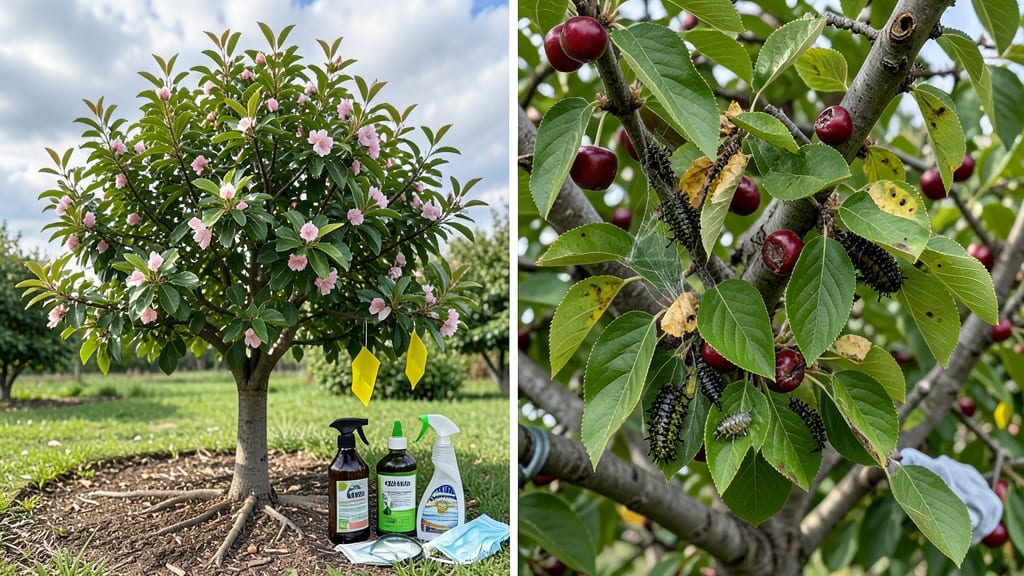
When your cherry tree’s leaves start curling into sticky messes or boring holes appear overnight, cherry tree pest control isn’t just about saving the tree—it’s about reclaiming the sweet, sunlit joy of summer harvests. 🌿 I’ve watched entire orchards of neighbors’ cherries get devoured by borers, only to learn the hard way that early action is everything.
The good news? Organic sprays work faster than you’d think when you target the right pests at the right time.
Most infestations start small—tiny webs on undersides of leaves (spider mites), black sawdust-like frass (borers), or clusters of tiny green bugs (aphids). These pests thrive when trees are stressed, so the first step is always watering deeply and mulching properly to build resilience.
Once they’re established, though, you’ll need a layered approach: neem oil for soft-bodied pests, kaolin clay for borer prevention, and beneficial insects like ladybugs to patrol your branches.
Within 7-10 days of consistent treatment, you’ll see a dramatic turnaround—no more sticky leaves, fewer holes in bark, and a tree that starts putting energy back into fruit instead of fighting off invaders.
The key is acting at the first sign of trouble, because once pests move into the wood (like borers), the damage is permanent. That first spray could be the difference between a harvest and a hollow tree.
This works for sweet cherries, tart cherries, and even dwarf varieties in containers. Whether you’re dealing with a mature tree in your backyard or a young sapling in a community orchard, the same principles apply. Let’s get those pests under control before they ruin your season.
Common Culprits Behind Cherry Tree Woes
Cherry trees are prized for their lush foliage and sweet fruit, but they’re also a magnet for pests and diseases. Understanding why these issues arise is the first step to protecting your tree.
Below, we break down the most common causes—from environmental stressors to hungry invaders—and why they target your cherries.
Cherry trees thrive in specific conditions, and when those needs aren’t met, their natural resistance drops. Stress from poor soil, drought, or extreme weather makes them vulnerable to pests and diseases. Here’s how it happens:
- Nutrient Deficiencies: Cherry trees need balanced nutrients, especially nitrogen, potassium, and micronutrients like zinc and boron. Lack of these weakens cell walls, making it easier for borers, aphids, and fungal spores to invade.
- Water Stress: Too little water causes wilting and stunted growth, while overwatering leads to root rot and fungal infections (like Coryneum blight). Both scenarios create entry points for pests.
- Temperature Shocks: Late frosts or sudden heat waves damage new leaves and fruit, stressing the tree. Stressed tissue is more attractive to sap-sucking insects like spider mites and scale.
- Compacted or Poor Soil: Heavy clay or rocky soil restricts root growth, reducing the tree’s ability to absorb water and nutrients. Weak roots = weak tree.
💡 Pro Tip: Conduct a soil test every 2–3 years to check pH (ideal: 6.0–6.5 for cherries) and nutrient levels. Amend soil with compost or organic matter to boost resilience.
Cherry trees are a buffet for insects, each with a preferred meal—whether it’s leaves, sap, or fruit. These pests don’t just nibble; they transmit diseases and stunt growth by draining nutrients. Here’s why they strike:
| Pest | Why They Attack | Signs of Infestation |
|---|---|---|
| Japanese Beetles 🐞 | Adults seek out cherry leaves for their high nitrogen content, while grubs munch on roots. Peak activity: June–August. | Skeletonized leaves (chewed edges), shiny green beetles on foliage. |
| Cherry Fruit Flies 🍒 | Females lay eggs in ripe fruit; larvae burrow inside, causing rot. Trigger: Overripe or damaged fruit. | Small holes in fruit, maggot-like larvae inside, premature dropping. |
| Aphids 🐜 | These sap-suckers thrive in new growth and crowded branches. Why? They’re drawn to honeydew (their waste), which attracts sooty mold. | Sticky residue on leaves, curled or yellowing foliage, tiny clusters on stems. |
| Borers (e.g., Peach Tree Borer) 🪲 | Larvae tunnel into cambium layer (the tree’s “plumbing”), blocking nutrient flow. Attracted to: Freshly pruned or wounded bark. | Sawdust-like frass, D-shaped exit holes, oozing sap. |
| Spider Mites 🕷️ | Drought-stressed trees can’t produce enough sap, making mites switch to feeding on leaf cells. Hot, dry weather accelerates their spread. | Fine webbing on undersides, bronzed or speckled leaves. |
🔥 Key Insight: Many pests target weak or injured trees. Regular pruning (to remove dead wood) and mulching (to retain moisture) reduce their appeal.
Moisture-loving pathogens exploit wounds, debris, or crowded conditions to infect cherry trees. These diseases don’t just harm the tree—they can ruin entire harvests if left unchecked. Here’s how they take hold:
- Leaf Spot Diseases (e.g., Coryneum blight):
- Spores splash onto leaves during rainy seasons, especially when foliage is wet for 12+ hours.
- Thrive in shady, humid microclimates (e.g., dense plantings or poor airflow).
- Powdery Mildew:
- Fungal spores land on young leaves and germinate in warm (70–85°F), dry conditions.
- Spreads faster in crowded trees with poor air circulation.
- Bacterial Canker:
- Bacteria (Pseudomonas syringae) enter through pruning wounds or hail damage, then ooze brown, sticky fluid.
- Worse in wet springs or after frost injury.
- Root Rot (Phytophthora):
- Waterlogged soil cuts off oxygen to roots, allowing fungal pathogens to thrive. Common in: Low-lying areas or overwatered trees.
🌡️ Critical Factor: Most fungal diseases need free moisture to spread. Water trees at the base (not overhead) and prune for airflow to minimize risk.
By addressing these root causes—whether it’s soil health, pest pressure, or disease conditions—you’ll create an environment where cherry trees can thrive instead of inviting infestations. Next, we’ll cover organic solutions to kick these problems to the curb.
Quick Fixes for Common Cherry Tree Pests
Pests can turn your thriving cherry tree into a battleground, but don’t worry—most issues have simple, organic solutions. Below, we’ll match the most common culprits to easy, effective fixes, plus prevention tips to keep your tree healthy long-term.
Signs: Skeletons of leaves, shiny green beetles feasting on foliage.
How to Stop Them: 🔥 Handpick & Drown – Grab beetles in the morning (they’re sluggish then) and drop them in soapy water. 🍳 Neem Oil Spray – Mix 2 tbsp neem oil + 1 tsp mild soap in 1 gallon of water. Spray leaves every 5–7 days until they’re gone. 👨🍳 Milky Spore Treatment – Apply milky spore powder to the soil (kills beetle grubs long-term). ⏰ Best Time to Act: Late morning when beetles are active but not yet hiding.
Prevent Next Year: ✨ Plant Trap Crops – Sacrifice a row of roses or marigolds nearby to lure them away. 🎯 Encourage Predators – Birds and toads love beetles—leave some leaf litter for them.
Signs: Sticky residue (honeydew), curled leaves, tiny webs (mites).
How to Stop Them: 🔥 Blast ‘Em Off – Spray leaves with a strong jet of water (disrupts their colonies). 🥘 Insecticidal Soap – Use 1.5 tbsp castile soap + 1 quart water. Spray directly on pests (avoid flowers). 🔪 Horticultural Oil – Apply dormant oil in early spring to smother eggs. 🌡️ Introduce Ladybugs – Buy ladybug larvae from garden centers—they devour aphids.
Prevent Next Year: 💡 Prune for Airflow – Thin branches to reduce hiding spots. 🥗 Companion Planting – Garlic, chives, and thyme repel aphids naturally.
Signs: Sawdust-like frass, wilting branches, holes in bark.
How to Stop Them: 🔥 Scrape & Burn – Remove infested bark and burn debris (don’t compost!). 🍳 Borer-Specific Spray – Use botanical oil spray (like pyrethrin-based) in early summer. 👨🍳 Beneficial Nematodes – Apply heterorhabditis bacteriophora to soil (kills grubs naturally). ⏰ Best Time to Act: Late spring/early summer when larvae are young.
Prevent Next Year: 🎯 Wound Sealant – Cover pruning cuts with pruning paint to block entry. 🔥 Healthy Tree = Strong Defense – Water deeply in droughts and fertilize with compost tea.
Signs: White powdery coating, black spots on leaves, leaf drop.
How to Stop Them: 🔥 Baking Soda Spray – Mix 1 tsp baking soda + 1 quart water + a drop of soap. Spray every 7–10 days. 🥘 Copper Fungicide – Use organic copper spray (follow label rates). 🌡️ Improve Airflow – Thin dense branches and water at the base (not overhead).
Prevent Next Year: ✨ Resistant Varieties – If possible, plant ‘Montmorency’ or ‘Stella’ cherries (more disease-resistant). 💡 Mulch Properly – Use straw or wood chips (not thick layers) to keep soil dry.
Pro Tip: 🌱 Monitor Weekly – Check your tree every 5–7 days in peak pest season (May–July). Early action = fewer headaches!
Need a Fast Win? For severe infestations, repeat sprays every 3–5 days until pests vanish. Most organic fixes work within 2–3 weeks with consistency. 🚀
Frequently asked questions
What’s the first sign I should look for when checking my cherry tree for pests?
Start by inspecting the undersides of leaves for tiny webs (spider mites), sticky residue (aphids), or chewed edges (Japanese beetles). Check the bark for sawdust-like frass (borers) or oozing sap (bacterial canker). Early detection is key—most pests are easier to control when caught early!
Can I use the same organic spray for all cherry tree pests?
No—different pests need different treatments. Neem oil works for soft-bodied pests like aphids and mites, while borers require botanical oils or beneficial nematodes. Always match the spray to the pest! For fungal issues, copper fungicide or baking soda sprays are best. Test a small area first to avoid harming the tree.
How often should I apply organic sprays to prevent pests?
For prevention, apply sprays every 7–14 days during peak pest season (spring to early summer). If you spot early signs of infestation, increase to every 3–5 days until the pests disappear. Consistency is key—most organic solutions need repeated applications to fully protect your tree.
Will my cherry tree recover if borers have already damaged the bark?
Unfortunately, once borers tunnel into the cambium layer, the damage is often permanent. However, you can prune out infested branches and treat the remaining tree with botanical oils to prevent further spread. Focus on keeping the tree healthy—strong trees resist new infestations better. For severe cases, consult an arborist.
Are there any natural predators I can introduce to control pests?
Ladybugs and their larvae devour aphids, while parasitic wasps target caterpillars and borers. Birds and toads also help control beetles and mites. Plant companion flowers like marigolds or dill to attract these beneficial insects naturally. Just release them in the evening when they’re less likely to fly away!