
Pruning
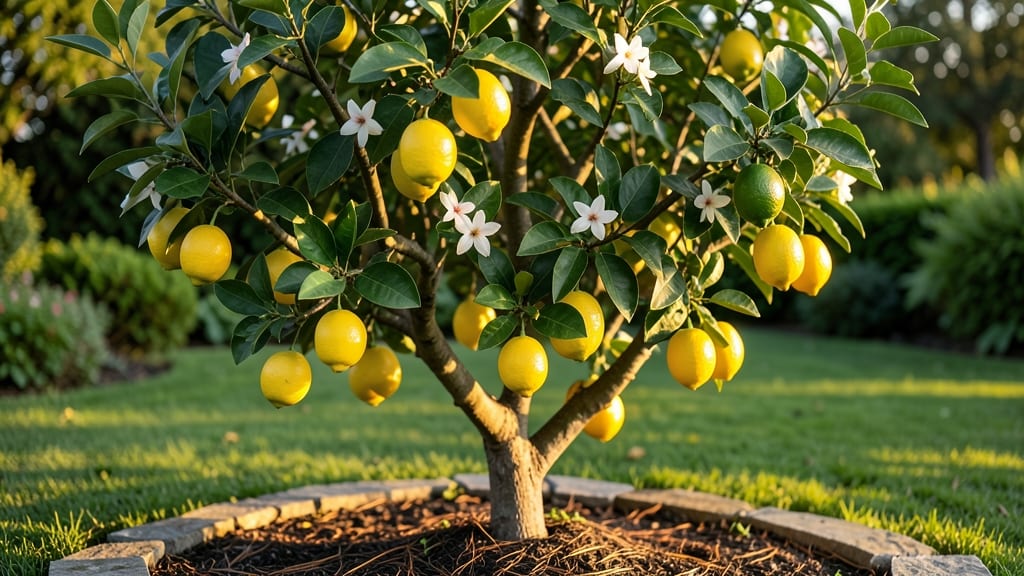
Your lemon tree thrives best within the lemon tree temp range of 60°F and 85°F—anything outside that stresses it, and I’ve learned the hard way what happens when winter snaps or summer scorches hit unexpectedly. 🌿 The key to keeping your tree productive isn’t just picking the right zone; it’s understanding how to shield it from sudden shifts, whether that means wrapping the trunk in burlap or moving potted trees indoors before the first frost.
Most lemon trees struggle below 30°F, where leaves yellow and buds die back, but with the right protection—like a frost cloth or mulch blanket—you can push that limit to 25°F for short periods.
On the heat side, temperatures above 90°F slow growth and drop fruit, so afternoon shade cloth becomes your best friend in hot climates like Southern California or Arizona.
By the end of summer, you’ll see the payoff: glossy leaves, heavy with fragrant blossoms, and fruit that ripens to bright, juicy perfection—if you’ve protected the tree from stress.
Even in colder zones (like Zone 9), a little planning keeps your tree alive for decades, yielding harvests year after year.
Whether you’re in a Mediterranean climate or a chilly Pacific Northwest, the same principles apply: monitor temps, adjust shelter, and never let the tree sit in drafts or scorching sun. The difference between a struggling bush and a thriving, fruit-laden tree often comes down to these small, consistent adjustments.
Temperature Stress Explained
Lemon trees thrive in warm climates, but when temperatures stray too far from their ideal range, stress sets in—often leading to stunted growth, leaf drop, or even death. Understanding why these shifts harm your tree helps you take proactive steps to protect it.
Here’s a breakdown of the key factors that disrupt your lemon tree’s temperature balance.
When temperatures soar beyond 95°F (35°C) for prolonged periods, lemon trees experience heat shock. This occurs because:
- Photosynthesis shuts down: High heat causes the stomata (tiny leaf pores) to close to conserve water, reducing the tree’s ability to convert sunlight into energy. Without this process, growth slows, and leaves may yellow or crisp.
- Protein denaturation: Enzymes and proteins in the tree’s cells—critical for metabolism—begin to break down at extreme temperatures. This disrupts cellular function, leading to wilting or leaf scorch.
- Root stress: Even if the air is hot, the soil can overheat, killing beneficial microbes and restricting water uptake. Root rot or fungal infections often follow.
Actionable insight: Lemon trees need afternoon shade during peak summer months. Use shade cloth (30–50% coverage) or plant them near structures like walls or pergolas to diffuse intense sunlight.
Lemon trees are evergreen subtropical plants, meaning they’re highly sensitive to frost. When temperatures drop below 30°F (-1°C), several harmful processes kick in:
- Cell membrane rupture: Ice crystals form inside leaf and stem cells, physically tearing apart their structure. This causes browning or blackened leaves, a classic sign of frost damage.
- Metabolic shutdown: Cold temperatures halt nutrient transport, starving the tree of essential sugars and water. Without energy reserves, branches may die back.
- Pathogen entry: Frozen tissue becomes vulnerable to bacterial or fungal infections, as weakened cells can’t defend against invaders.
Actionable insight: If you’re in a marginal zone (like USDA Zone 9b), protect your tree with frost cloth or a row cover during cold snaps. Mulch the base with 4–6 inches of organic matter (like straw or wood chips) to insulate roots.
Lemon trees dislike thermal whiplash—when temperatures fluctuate wildly (e.g., 80°F (27°C) days followed by 50°F (10°C) nights). This stress occurs because:
- Transpiration imbalance: Warm days encourage water loss through leaves, but cool nights slow the tree’s ability to absorb water through roots. The result? Leaf curl or drop.
- Hormonal disruption: Temperature shifts confuse the tree’s growth hormones, leading to aborted flower buds or poor fruit set.
- Root zone stress: Soil temperature lags behind air temperature. If roots are cold while leaves are active, the tree can’t sustain itself, causing stunted growth.
Actionable insight: Choose a planting site with microclimate protection, like near a south-facing wall or in a sheltered corner of your yard. Avoid open, windy areas where temperature swings are exaggerated.
High humidity combined with heat creates a heat index that feels even hotter to your lemon tree. Here’s how it backfires:
- Reduced evaporation: Humid air slows water evaporation from leaves, trapping heat and moisture. This creates a perfect breeding ground for fungal diseases, like citrus scab or melanose.
- Root suffocation: Waterlogged soil (common in humid climates) cuts off oxygen to roots, leading to anaerobic conditions and root rot.
- Pest attraction: Warm, humid conditions invite aphids, scale insects, or spider mites, which weaken the tree by sapping its sap.
Actionable insight: Improve air circulation with pruning to open the canopy. Use drip irrigation instead of overhead watering to keep foliage dry and reduce fungal risks.
Adjusting Your Lemon Tree’s Climate
If your lemon tree is struggling with temperature extremes, don’t panic—there are practical ways to restore its health and keep it thriving. Below, we’ve mapped out common temperature-related issues to easy fixes, along with prevention tips to avoid future stress.
Whether your tree is wilting in the heat or shivering in the cold, these solutions will help you create the perfect microclimate for your citrus friend.
If your lemon tree’s leaves are crisping, yellowing, or dropping during scorching days (above 95°F/35°C), it’s time to cool things down.
🔥 Immediate Relief for Overheating
- 💦 Increase Shade Gradually Use lightweight shade cloth (30-50%) or move potted trees to a spot with afternoon shade. Avoid sudden shade shifts—acclimate over 1-2 weeks to prevent sunburn. Pro Tip: 💡 East-facing windows or dappled sunlight (like under a tree) work best for container-grown lemon trees.
- 🌊 Boost Hydration (But Smartly) Deep water early in the morning (not at night) to reduce evaporation. Let the top 1-2 inches of soil dry between waterings, but never let it bone-dry in extreme heat. Warning: 🚨 Overwatering in heat can drown roots—check soil moisture with your finger!
- 🌬️ Improve Airflow Fans on low speed (5-10 mph) mimic natural breezes, helping leaves transpire efficiently. Place them 1-2 feet away to avoid leaf damage.
🌡️ Long-Term Heat Prevention
- 🌱 Choose Heat-Tolerant Varieties ‘Meyer’ and ‘Eureka’ lemons handle heat better than ‘Lisbon’ lemons. If you’re in USDA Zones 9-11, these are your best bets.
- 🏡 Mulch Like a Pro Apply 2-3 inches of organic mulch (straw or wood chips) around the base to retain moisture and cool roots. Keep mulch 6 inches away from the trunk to prevent rot.
- 🌿 Prune for Better Airflow Trim overcrowded or leggy branches in early spring to improve circulation. This reduces heat buildup in dense foliage.
If your lemon tree’s leaves are blackened, mushy, or falling off after temps drop below 30°F (-1°C), it’s suffering from cold stress. Here’s how to protect it:
❄️ Emergency Frost Protection
- 🔥 Cover Up (But Correctly!) Use frost cloth, blankets, or bubble wrap—but never plastic directly on leaves (it traps moisture and causes rot). Secure covers with clips or bricks to prevent wind damage. Pro Tip: 🌡️ If temps are below 25°F (-4°C), add a string light or heat lamp (safely!) near the tree for extra warmth.
- 💧 Water Before Freezing Moist soil holds more heat than dry soil. Water deeply the night before a frost, but avoid soggy roots.
- 🚗 Move Potted Trees Indoors (If Possible) Bring container-grown lemon trees into a garage, sunroom, or even a heated porch where temps stay above 40°F (4°C). Avoid drafty areas!
❄️ Preventing Future Cold Damage
- 🌳 Plant in the Right Spot Lemon trees thrive in sheltered microclimates—near south-facing walls, under eaves, or in USDA Zones 9-11. If you’re in a colder zone, grow them in large pots for mobility.
- 🍂 Winterize Young Trees For trees in Zones 8 or below, wrap the trunk in bubble wrap or frost cloth and mulch heavily. Avoid pruning in winter—wait until early spring when new growth starts.
- 🌡️ Use a Heat Mat (For Containers) Place a self-regulating heat mat under potted lemon trees during cold snaps. This is a game-changer for balcony or patio growers!
If your lemon tree is struggling with rapid temp changes (e.g., hot days → freezing nights), it’s experiencing thermal shock. Here’s how to stabilize its environment:
🔄 Gradual Acclimation is Key
- 🌿 Harden Off Slowly If moving a potted tree outdoors, acclimate it over 7-10 days by gradually increasing sun exposure. Start with 2 hours/day and work up to full sun.
- 🏠 Use a Greenhouse or Cold Frame A small greenhouse or hoop house can buffer temp swings by 5-10°F (3-6°C). Even a clear plastic tunnel over a seedling helps!
🌡️ Monitor with a Thermometer
- Place a soil thermometer near the roots and an air thermometer near the canopy. Lemon trees prefer:
- Daytime: 70-85°F (21-29°C)
- Nighttime: 55-65°F (13-18°C) Pro Tip: ✨ If temps dip below 50°F (10°C) at night, take protective action immediately.
- 💡 For Container Growers: Use black pots (absorb heat) in summer and white pots (reflect heat) in winter. Elevate pots on feet to improve airflow.
- 🌿 Fertilize Strategically: Avoid high-nitrogen fertilizers in extreme heat—they encourage leafy growth at the expense of roots. Switch to a balanced 6-6-6 or citrus-specific fertilizer in spring/fall.
- 🚨 Watch for Pests in Stress: Heat- or cold-stressed trees attract scale, aphids, or spider mites. Spray with neem oil preventatively if you notice sticky leaves or webbing.
With these adjustments, your lemon tree will bounce back from temperature stress and reward you with sweet, juicy fruit all year. The key? Observe, adapt, and act before problems escalate. Happy growing! 🍋✨
Frequently asked questions
What’s the best USDA hardiness zone for growing lemon trees?
Lemon trees thrive in USDA Zones 9-11 where winter lows rarely drop below 30°F (-1°C). In colder zones (like Zone 8), grow them in large containers and move indoors during winter. Meyer lemons are slightly more cold-tolerant than standard varieties.
Can lemon trees survive a sudden frost below 25°F (-4°C)?
Without protection, most lemon trees will suffer severe damage below 25°F (-4°C). Cover the tree with frost cloth or a lightweight blanket and add a heat source like a string light if possible. Potted trees should be moved indoors immediately to prevent root damage.
How do I tell if my lemon tree is too hot vs. too cold?
Watch for these signs: Heat stress shows as yellowing leaves, crispy edges, and wilting (especially in afternoon heat). Cold stress causes blackened, mushy leaves and leaf drop after frost. Both conditions can also lead to aborted flower buds or stunted growth.
Are there lemon tree varieties that handle heat better?
Yes! ‘Meyer’ and ‘Eureka’ lemons tolerate heat better than ‘Lisbon’ lemons. For extreme heat (above 95°F/35°C), provide afternoon shade and increase watering. Dwarf varieties like ‘Improved Meyer’ also adapt better to container growing in hot climates.
How often should I monitor soil temperature for lemon trees?
Check soil temperature daily during extreme weather—ideal range is 60-75°F (15-24°C). Use a soil thermometer near the roots. If soil temps exceed 85°F (29°C), mulch heavily and water deeply in the morning to cool the roots.