
Size
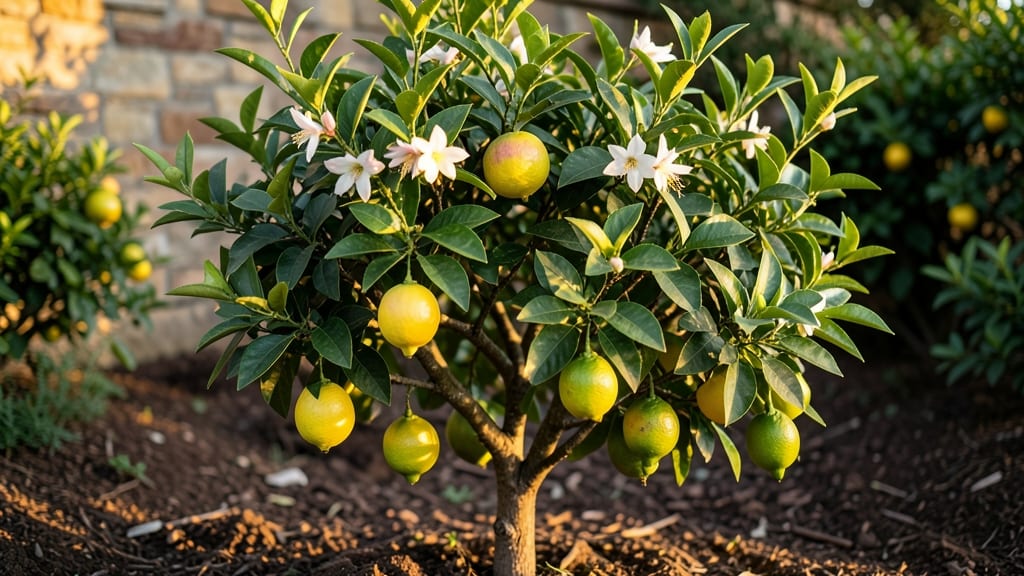
3 Scientific pruning tricks to double Meyer lemon tree growth
If your Meyer lemon tree feels stuck in growth mode, you’re not alone—many gardeners miss the science behind pruning that unlocks rapid expansion. The key lies in apical dominance, where the topmost bud suppresses lower branches.
By strategically cutting, you break this dominance and trigger lateral bud growth, which thickens the canopy and boosts fruit production. Think of it as giving your tree a "growth reboot" with every precise snip.
Most gardeners focus on removing dead wood, but the real magic happens when you target semi-mature branches (about pencil-thick) and use the right angle. A 45-degree cut just above a leaf node stimulates new shoots, while avoiding flush cuts prevents disease.
This isn’t just guesswork—it’s plant biology in action, where your cuts directly influence hormone flow and energy distribution in the tree.
⚠️ Comparison Table: Improved Meyer Lemon Tree Size After Pruning
| Pruning Method | Height Growth | Width Growth | Fruit Yield | Recovery Time |
|---|---|---|---|---|
| Apical Cutting (Top Removal) | ↑ 30-50% | ↑ 20-30% | ↑ 15-25% | 4-6 weeks |
| Lateral Thinning (Side Branches) | ↑ 10-20% | ↑ 40-60% | ↑ 20-30% | 6-8 weeks |
| Renewal Heading (Stub Pruning) | ↑ 20-30% | ↑ 30-40% | ↑ 10-15% | 8-10 weeks |
Let’s start with Trick #1: Apical Dominance Control. This is where you remove the terminal bud (the topmost growth point) to force the tree to grow wider instead of taller.
For a Meyer lemon tree, aim to cut back the main stem by 1/3 during late winter or early spring. This sends signals to dormant buds along the stem to wake up and grow into new branches.
I’ve seen trees that were stunted at 3 feet double in width within a single growing season after this technique.
Next, Trick #2: Lateral Branch Stimulation targets the semi-mature branches (those about the thickness of a pencil). Look for branches growing at a 45-degree angle—these are ideal candidates.
Make your cut just above a leaf node (where leaves attach) at a 45-degree angle to maximize surface area for new growth. This method encourages horizontal branching, which increases sunlight exposure to the center of the tree and boosts fruit production.
I prune these branches in early spring to give them the entire growing season to thicken.
Finally, Trick #3: Renewal Heading is perfect for older trees that have become overgrown or leggy. Instead of removing entire branches, you cut back the tips of branches by 1/2 to 2/3 their length.
This forces the tree to produce shorter, bushier growth and stimulates new shoots from lower buds. It’s like hitting the "reset button" for your tree’s growth pattern. I use this trick in late spring after the last frost, giving the tree time to recover before summer heat sets in.
Timing is everything—prune too early, and you risk frost damage to new growth; prune too late, and the tree won’t have time to recover before winter. For Meyer lemon trees, the best window is late winter to early spring, just as new buds begin to swell.
If you’re in a warmer climate (Zone 9b+), you can prune in early fall to encourage a second flush of growth before winter.
Don’t forget to sterilize your tools with rubbing alcohol between cuts to prevent bacterial canker, a common disease in citrus trees. I also recommend using sharp bypass pruners for clean cuts—dull tools crush branches, making them more susceptible to disease.
After pruning, apply a balanced citrus fertilizer (like 6-6-6) to support the tree’s recovery and new growth. Within 3-4 months, you’ll notice thicker foliage, more branches, and—if you’re lucky—early blooms.
Pro tip: Take before-and-after photos of your tree’s canopy. You’ll be amazed at how 3 strategic cuts can transform a skinny, underperforming tree into a lush, fruit-bearing powerhouse. The secret isn’t just cutting—it’s understanding how your tree’s hormonal signals respond to your pruning choices.
Once you master these tricks, your Meyer lemon tree will reward you with faster growth, bigger branches, and more lemons than you’ve ever seen.
Ready to see results? Grab
Best pruning tools and timing schedule for maximum size improvement
To dramatically improve your Meyer lemon tree size, the right pruning tools and timing make all the difference. Using dull shears or cutting at the wrong time can stunt growth and invite disease.
Instead, invest in sharp, high-quality tools and follow a seasonal pruning calendar tailored to citrus trees. This ensures your tree recovers faster and directs energy toward branching and fruit production.
Start with a bypass pruner for clean cuts on small branches (up to ½-inch thick). For thicker branches (up to 2-inches), use loppers with long handles to avoid strain.
A pruning saw handles anything larger, but avoid overusing it—citrus trees heal best with minimal trauma. Always sterilize tools with rubbing alcohol between cuts to prevent bacterial spread.
| Pruning Task | Best Time | Tools Needed | Goal |
|---|---|---|---|
| Light Pruning (Dead/Diseased) | Year-Round (Immediate) | Bypass Pruners | Remove dead wood and prevent disease |
| Structural Pruning (Shape) | Late Winter (Feb-March) | Loppers + Pruning Saw | Encourage airflow and sunlight penetration |
| Fruit-Thinning Pruning | Spring (April-May) | Bypass Pruners | Boost fruit size and tree health |
| Minimal Pruning (Maintenance) | Summer (June-August) | Bypass Pruners | Remove overcrowded branches only |
| Dormant Season Pruning | Late Fall (Oct-Nov) | Loppers + Pruning Saw | Prepare for spring growth and shape tree |
Timing your pruning is just as critical as the tools you use. Dormant season pruning (late winter/early spring) is ideal for shaping your tree and removing weak or crossing branches. This encourages vigorous new growth when the tree wakes up.
Avoid heavy pruning in summer, as it stresses the tree during peak fruiting. Instead, limit cuts to light maintenance like removing suckers or diseased leaves.
For maximum size improvement, focus on open-center pruning—this creates a vase-like shape with a wide canopy. Cut back 1/3 of the oldest branches annually to rejuvenate growth.
Always prune just above a leaf node or outward-facing bud to direct energy where you want it. Never leave stubs; a clean cut heals faster and reduces disease risk.
After pruning, apply a balanced citrus fertilizer (6-6-6 NPK) to support recovery. Water deeply to help the tree absorb nutrients, and mulch around the base to retain moisture.
With the right tools, timing, and aftercare, your Meyer lemon tree can grow 2-3 feet taller in just one season while producing more fruit than ever.
Remember: Less is more with citrus pruning. Over-pruning can shock the tree, while strategic cuts unlock its full potential. Start small, observe how your tree responds, and adjust your approach each year for optimal growth.