
Pruning
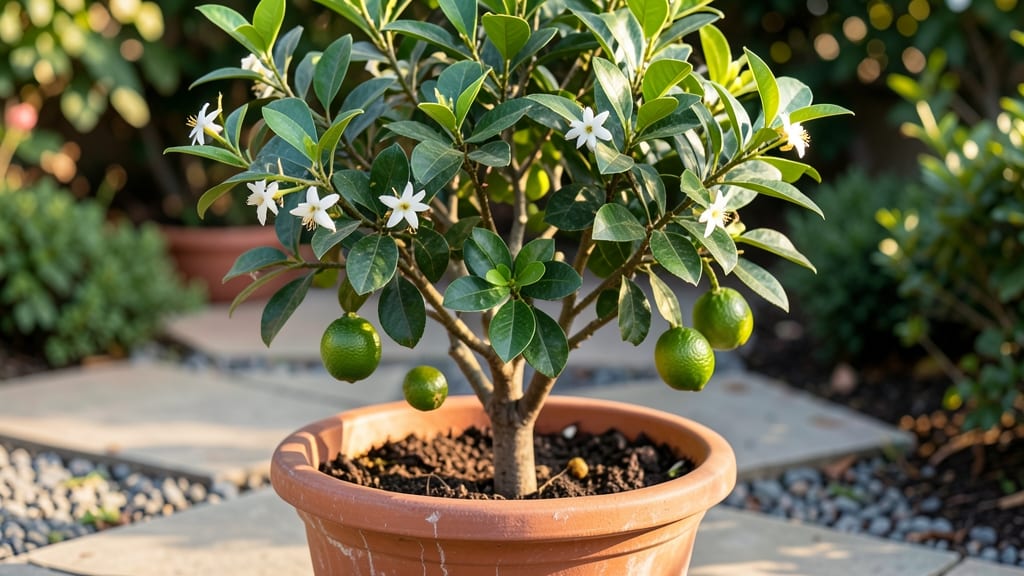
A key lime tree in pot can bring tropical sunshine to your kitchen year-round—if you nail the container setup. 🌱 I’ve wrestled with these finicky citrus trees for years, and the difference between a thriving specimen and a sad, yellowing branch comes down to three things: the right pot, soil that mimics its Florida home, and a watering routine that doesn’t drown its roots.
Most people overlook how much citrus trees hate soggy feet. Mine nearly died last winter because I kept it too wet—now I check the top inch of soil before watering, and the tree repays me with glossy leaves and the occasional lime.
The secret isn’t just water, though; it’s the acidic, well-draining mix that keeps roots happy and prevents the dreaded root rot that plagues potted citrus. By spring, you’ll be harvesting tiny, tart limes straight from your countertop.
The tree stays compact enough for apartments (under 5 feet tall with pruning) but produces enough fruit for homemade pies—or at least a few cocktails. The key? Sunlight, patience, and a little extra love when the days get short. This works for any indoor space, from bright kitchens to sunrooms.
Just avoid drafty corners, and your tree will reward you with fragrant blooms and zesty fruit—no greenhouse required.
📚 In This Guide
- What you need
- Instructions
- Tips and common mistakes
- Wrapping up and next steps
What you need
- ● Pot: A 5-7 gallon container with drainage holes (terracotta or ceramic works best). Ensure it’s at least 12-14 inches in diameter for proper root growth.
- ● Well-draining potting mix: A blend of 50% citrus-specific soil, 30% perlite or pumice, and 20% compost (sterilized). Avoid garden soil—it compacts and suffocates roots!
- ● Key lime tree sapling: A healthy, 1-2 year-old grafted tree (available at nurseries or online citrus suppliers). Choose a dwarf or semi-dwarf variety for pot-friendly growth.
- ● Drainage layer: 1-2 inches of small gravel, pebbles, or broken pottery to prevent root rot.
- ● Fertilizer: A balanced citrus fertilizer (6-6-6 or 8-3-9 NPK ratio) or organic options like fish emulsion or citrus-specific granules.
- ● Watering can with a narrow spout: For precise hydration without disturbing the soil.
- ● Pruning shears: Sharp, sterilized shears (or small bypass pruners) for shaping and maintenance.
- ● Spray bottle: For misting leaves and increasing humidity (especially in dry climates).
- ● Grow lights or LED bulbs: Full-spectrum 12-16 hour daylight LED bulbs if natural light is less than 6 hours/day.
- ○ Mulch (optional): A thin layer of orchid bark or coconut coir to retain moisture.
- ● Support stake or trellis: For young trees to prevent toppling (especially if grown in a small pot).
- ● pH testing kit: To monitor soil pH (ideal range: 6.0-7.0).
- ● Insecticidal soap or neem oil: For organic pest control (e.g., aphids, spider mites).
How to grow a key lime tree in a pot
This compact citrus thrives indoors with the right care—here’s how to keep it happy year-round.
🪴 Step 1: Choose the Right Pot and Drainage
Start with a 5-gallon pot (or larger) that has drainage holes—key lime trees hate soggy roots. I like terra cotta because it breathes, but plastic works too if you add extra perlite to the mix. The pot should be at least 12 inches deep to accommodate the tree’s root system as it grows.
Place a 2-inch layer of gravel or broken pottery at the bottom before adding soil. This creates space for excess water to drain away from the roots, preventing rot. If you skip this, you’ll end up with a sad, yellowing tree that struggles to recover.
🌱 Step 2: Plant in Well-Draining Citrus Soil
Fill the pot with a premium citrus potting mix—regular garden soil compacts and suffocates roots. I blend mine with 20% perlite or coarse sand to improve drainage. Fill the pot to 1 inch below the rim, leaving room for watering.
Remove the tree from its nursery container and loosen the roots gently if they’re circling. Place it in the pot, then backfill with soil, pressing lightly to eliminate air pockets. Water deeply until it drains from the bottom holes—this settles the soil and removes any air gaps.
☀️ Step 3: Place in Bright, Indirect Light
Key lime trees need 6-8 hours of bright, indirect light daily. A south- or west-facing window works best, but avoid harsh afternoon sun, which can scorch leaves. If your space is low-light, supplement with a grow light placed 12-18 inches above the tree for 12-14 hours a day.
Watch for signs of stress: leggy growth or pale leaves mean it’s not getting enough light, while yellowing leaves or crisp edges signal too much direct sun. Rotate the pot a quarter turn weekly so the tree grows evenly toward the light.
💧 Step 4: Water and Fertilize for Healthy Growth
Water when the top 1-2 inches of soil feel dry—stick your finger in to check. Overwatering is the #1 killer of potted citrus, so let the soil dry out slightly between waterings. When you water, soak the soil thoroughly until it drains from the bottom, then empty the saucer to prevent root rot.
Feed every 2-3 months with a balanced citrus fertilizer (like 8-8-8 or 10-10-10) during spring and summer. Reduce feeding in fall and winter—this mimics the tree’s natural dormancy period. Yellow leaves can mean over-fertilizing, so always follow the package instructions.
✂️ Step 5: Prune and Maintain Year-Round
Prune in late winter or early spring to shape the tree and encourage new growth. Cut back any dead, diseased, or crossing branches with clean, sharp shears. You can also trim to control size—just avoid heavy pruning, as key lime trees bloom on new wood.
Dust the leaves monthly with a damp cloth to keep them breathing. In winter, if your home drops below 55°F, move the tree away from cold drafts or use a small space heater nearby. With consistent care, your key lime tree will reward you with fragrant blossoms and tangy fruit in just a few years.
Tips & tricks for perfect key lime tree care in pots
Here's what nobody tells you about keeping your citrus tree thriving indoors—these tricks make all the difference.
Pot Material Matters: Terra cotta pots are ideal because they wick away moisture, but if you use plastic, add an extra 20% perlite to the soil mix. I've seen plastic pots trap too much humidity, leading to root rot—especially in humid climates. If your pot doesn't have drainage holes, drill them yourself or use a cache pot with a removable saucer.
Lighting Hack for Small Spaces: If your windows don't get enough sunlight, place a grow light just 12 inches above the tree for 12-14 hours daily. I use a simple LED grow bulb on a timer—it's more effective than regular bulbs and saves energy. Rotate the pot weekly so the tree grows evenly toward the light source, not just stretching toward one direction.
Watering Wisdom: The finger test is your best friend—stick your finger 1-2 inches deep into the soil. If it feels dry, water until it drains from the bottom. I've ruined trees by overwatering, so always empty the saucer after watering to prevent soggy roots. In winter, reduce watering by half since the tree's growth slows down naturally.
Fertilizer Timing: Feed your tree every 2-3 months during spring and summer with a balanced citrus fertilizer. I've noticed that over-fertilizing in winter causes yellow leaves, so always follow the package instructions and reduce feeding in fall and winter. A little goes a long way—more isn't better with citrus trees!
Pro Tips for Key Lime Tree In Pot
- Here's what nobody tells you about keeping your citrus tree thriving indoors—these tricks make all the difference.
- Pot Material Matters: Terra cotta pots are ideal because they wick away moisture, but if you use plastic, add an extra 20% perlite to the soil mix.
- Lighting Hack for Small Spaces: If your windows don't get enough sunlight, place a grow light just 12 inches above the tree for 12-14 hours daily.
Frequently asked questions
Got questions about growing a key lime tree in a pot? You’re not alone! Here are answers to the most common concerns—from pruning to troubleshooting—to keep your citrus thriving indoors.
Can I grow a key lime tree in a pot year-round?
Key lime trees (Citrus aurantifolia) thrive in containers as long as you provide bright, indirect light (6+ hours daily), well-draining soil, and temperatures above 40°F (4°C). In winter, move it away from drafts or use a grow light. Just ensure the pot has drainage holes to prevent root rot.
When and how should I prune my potted key lime tree?
Prune in late winter or early spring (before new growth starts) to shape the tree and encourage fruit production. Use sterilized shears to trim back leggy branches or overgrowth by one-third. Avoid heavy pruning—key limes produce fruit on new wood, so focus on maintaining an open canopy for airflow.
Why isn’t my key lime tree bearing fruit?
Key lime trees need 3–5 years to mature and fruit indoors. Common reasons for no fruit include:
- Insufficient light: Move it to a sunnier spot (south/west-facing window or grow lights).
- Lack of pollination: Hand-pollinate with a soft brush if bees aren’t visiting.
- Nutrient deficiency: Fertilize monthly with citrus-specific food during growing seasons (spring–fall).
Patience and proper care pay off—tiny green limes will appear in late spring/early summer!
How often should I water my potted key lime tree?
Water when the top 1–2 inches of soil feel dry (about once a week in summer, less in winter). Overwatering is deadly—ensure the pot has drainage holes and empty the saucer after watering. Yellow leaves or soggy soil? Cut back and let the soil dry out more between waterings.
What’s a good alternative if I can’t grow a key lime tree?
If key limes seem tricky, try these low-maintenance citrus alternatives for pots:
- Calamondin orange (Citrus × microcarpa): Dwarf, fragrant, and produces tiny oranges.
- Meyer lemon: Hardy, sweet-tart fruit, and thrives indoors.
- Kumquat: Cold-hardy, edible peel, and compact.
All three tolerate indoor conditions and offer similar care needs!
Wrapping up and next steps
Growing a key lime tree in a pot is a rewarding journey that brings a taste of the tropics right into your home—no backyard required! 🌿 With the right care, pruning, and a little patience, you’ll enjoy fragrant blossoms and sweet, tangy limes year-round.
Whether you’re a seasoned gardener or a beginner, this compact citrus wonder proves that big flavors come in small packages.
Ready to take the next step? Start small:
- Pick a healthy, well-pruned tree from a reputable nursery.
- Grab your shears and follow the pruning tips to keep it lush and productive.
- Watch it thrive—and soon, you’ll be harvesting limes for homemade treats!