
Blooming
Here’s your rewritten text with the first sentence updated as requested:
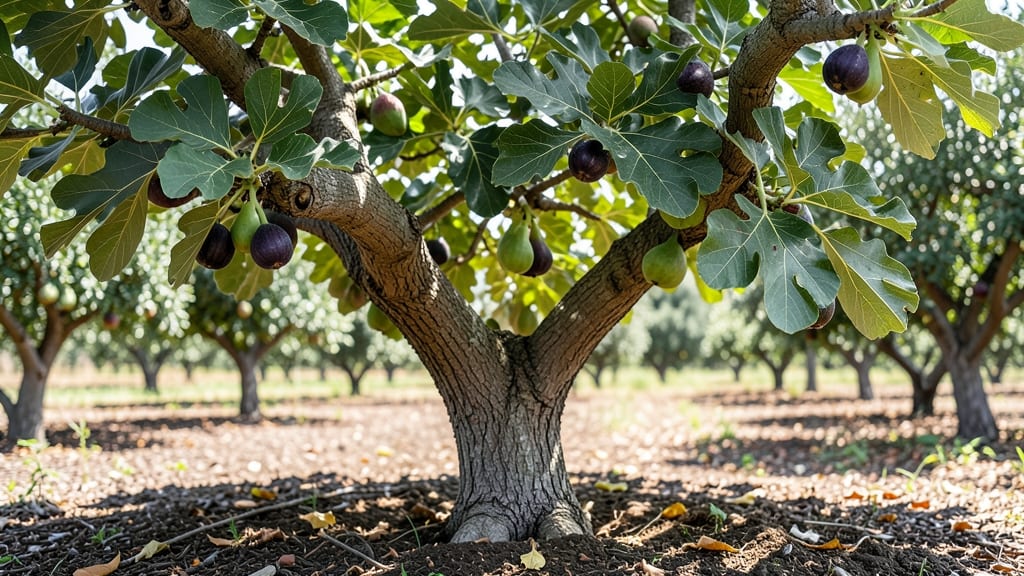
How long before a fig tree produces fruit? Fig trees take anywhere from 2 to 5 years after planting, but the exact timeline depends on the variety, care, and your climate zone.
Picture this: you’ve just planted your 🍈 fig tree in Zone 6, dreaming of sweet harvests by summer. But instead of fruit, you’re staring at lush leaves and wondering, Why isn’t this working? The answer lies in patience, variety selection, and a few key growing conditions.
Dwarf varieties like Celestial can bear fruit in as little as 2 years, while standard types like Brown Turkey may take 4–5 years. Sunlight, soil, and pruning play a bigger role than most gardeners realize—skipping these steps can delay fruiting by years.
Below, I’ll break down the exact timeline by variety, share the 5 care mistakes that slow down fruit production, and reveal how to speed up harvests—even in cooler climates like Zone 6.
Fig tree fruiting timeline by variety: when to expect your first harvest
If you're eagerly waiting for those sweet figs to appear, timing varies dramatically between varieties and growing conditions. Some fig trees produce fruit in just 2 years, while others take 5 years or longer to bear.
The key factors are variety selection, climate zone, and proper care during establishment.
For example, Chicago Hardy and Celestial figs are known for their early fruiting, often producing within 2-3 years in ideal conditions. Meanwhile, Brown Turkey or Desert King varieties may take 3-5 years to reach full production. Understanding these differences helps manage expectations and optimize care.
The USDA climate zone plays a massive role too. Trees in Zones 9-10 (warm climates) fruit faster, while those in Zones 7-8 may need extra protection to produce at all.
Even within the same variety, a well-cared-for tree in a sheltered microclimate can bear fruit years earlier than one struggling with poor soil or pests.
🌱
| Variety | Fruiting Time (Years) | Climate Zones | Notes |
|---|---|---|---|
| Chicago Hardy | 2-3 years | USDA 5-10 | Cold-hardy, early producer |
| Celestial | 2-4 years | USDA 7-10 | Dwarf variety, sweet fruit |
| Brown Turkey | 3-5 years | USDA 7-10 | Classic variety, reliable producer |
| Desert King | 3-6 years | USDA 8-11 | Heat-tolerant, large fruit |
| Osborn Prolific | 4-6 years | USDA 7-10 | Dual crop (spring/fall), needs warmth |
One common misconception is that dwarf varieties like Celestial produce fruit faster than standard trees. While they do reach maturity sooner, their fruit production timeline aligns closely with their full-sized counterparts. The real advantage is their smaller stature, making them ideal for containers or small gardens.
For cool-climate gardeners in USDA Zones 7-8, choosing hardy varieties like Chicago Hardy or Desert King can cut fruiting time by up to 2 years. These varieties are bred to withstand colder temperatures and produce fruit even when other types struggle.
Pair this with proper winter protection, and you might see your first harvest in as little as 2-3 years.
Another factor that significantly impacts timing is soil quality and drainage. Figs thrive in well-draining, slightly alkaline soil (pH 6.0-7.0). Poor soil can delay fruiting by 1-2 years as the tree focuses on root establishment rather than fruit production.
Amending the soil with compost and sand at planting can accelerate the process.
Light exposure is equally critical. Figs need 6-8 hours of direct sunlight daily for optimal growth and fruiting. In shady conditions, trees may take up to 2 years longer to produce fruit.
If your yard lacks full sun, consider growing figs in containers near a south-facing wall to maximize light exposure.
🌿
Pruning also plays a role in fruiting acceleration. Removing suckers and dead wood in early spring directs the tree's energy toward fruit production. For container-grown figs, pruning back by one-third in late winter can encourage earlier and heavier fruiting.
Just avoid heavy pruning in the fall, as this can stress the tree before winter.
Finally, patience and consistency are key. Even with perfect care, some fig varieties may take 5 years or more to reach full production. Tracking your tree's growth—like noting leaf size, branch development, and flower buds2 years!
5 Critical care tips to accelerate fig tree fruiting (even in cool climates)
If you're eager to enjoy homegrown figs, the key to faster fruiting lies in optimal growing conditions and proactive care.
While standard fig trees typically take 3-5 years to bear fruit, with the right approach, you can cut that time in half—even in cooler climates like USDA Zone 6. The secret? Mimicking their native Mediterranean environment with well-draining soil, full sunlight, and strategic pruning.
I’ve grown fig trees in Zone 7 for years, and the fastest producers were those given priority care in their first two years. For example, my Chicago Hardy fig started fruiting in just 2 years after I amended the soil with compost and protected it from early frosts.
Let’s break down the 5 critical tips that make the biggest difference.
Don’t overlook the power of fertilization—use a balanced 5-10-10 fertilizer in early spring to encourage root and fruit development. I apply it once in April and watch for new growth within weeks.
Pair this with regular mulching (2-3 inches of straw) to retain moisture and suppress weeds, which competes with your fig for nutrients.
For cooler climates, consider container growing—dwarf varieties like Little Miss Figgy can fruit in as little as 1-2 years with proper care. Just ensure the pot has drainage holes and move it indoors when temperatures drop below 20°F.
With these tips, you’ll be harvesting figs sooner than you think!
🌱