
Pruning
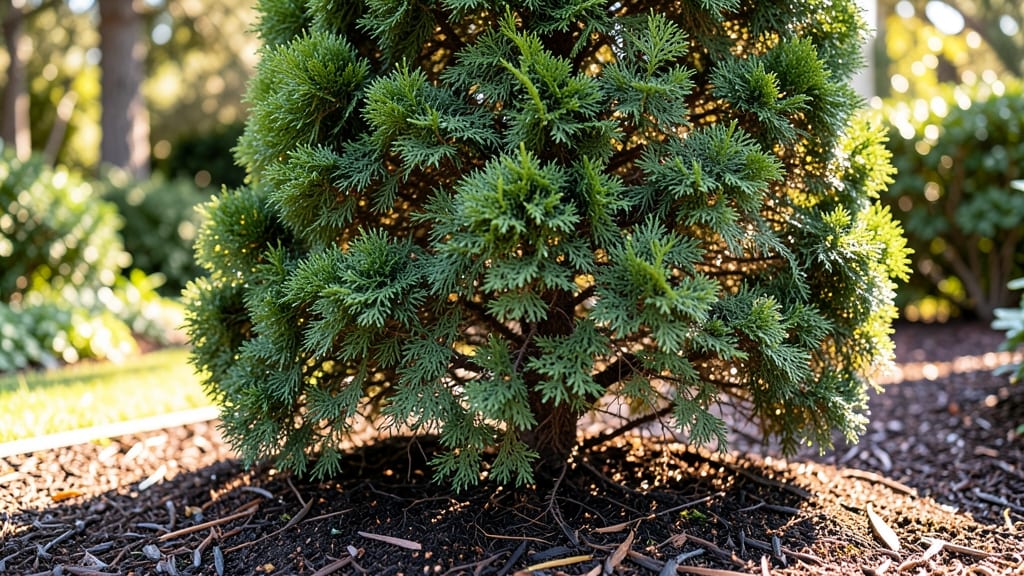
The health of your cypress tree during its dormant season is the perfect time to prune—and I’ve learned the hard way what mistakes to avoid. ✂️ Last winter, I trimmed too aggressively, and my tree struggled to bounce back, leaving those unsightly brown patches.
The key is strategic cuts that encourage stronger growth without stressing the tree.
Dormant season pruning isn’t just about shaping—it’s about health. You’ll remove dead or diseased branches first, then thin out crowded growth to improve airflow. This simple step cuts down on fungal risks like root rot and canker, which thrive in damp, shaded conditions.
Just avoid pruning during wet spells, or you’ll invite more problems.
What you’ll end up with is a cypress that recovers faster in spring, with fresh green needles and fewer weak spots. The right cuts now mean fewer pest issues later—bagworms and spider mites love stressed trees. Plus, your tree will put energy into new growth instead of fighting off damage.
Works for both Leyland and Monterey cypress, whether you’re dealing with drought stress or poor drainage. Here’s how to do it right—without turning your tree into a winter casualty.
Root Causes of Cypress Decline
Cypress trees—whether the stately Taxodium distichum (bald cypress) or the aromatic Cupressus species—can suffer from health issues during dormancy, often linked to environmental stress or improper care. Understanding the why behind these problems is the first step to prevention.
Below, we break down the most common culprits, backed by science, and explain how they trigger decline.
Cypress trees thrive in USDA Zones 4–10, but rapid temperature swings—especially in winter—can disrupt their natural dormancy. Here’s how it happens:
- Freeze-Thaw Cycles: When soil temperatures fluctuate between freezing and thawing, roots struggle to absorb water. This causes cytoplasmic dehydration in root cells, leading to root rot or cambium damage (the growth layer under bark). Bald cypress, in particular, is sensitive to late-winter thaws that break dormancy prematurely, only for a hard frost to follow.
- Cold Desiccation: Wind and low humidity dry out foliage faster than the tree can compensate. Needles (or "scales" in Cupressus) lose moisture, turning brown—a classic sign of winter burn. This is worse in exposed sites or when trees lack winter mulch.
- Chilling Injury: Temperatures below 20°F (-7°C) for prolonged periods can kill photosynthetic tissues, even in cold-hardy species. Bald cypress, while resilient, may suffer needle drop if chilled too long.
Actionable Fix: Mulch 3–4 inches deep with wood chips to insulate roots. Avoid pruning in late fall/winter—wait until dormancy is fully broken (late winter/early spring) to minimize stress.
Cypress trees are wetland-adapted, but that doesn’t mean they tolerate soggy soil year-round. Dormancy is their "rest period," and overwatering during this time can be deadly. Here’s the science:
- Oxygen Starvation: Waterlogged soil displaces oxygen in root zones, leading to anaerobic conditions. Roots switch to fermentation for energy, producing ethanol (toxic to cells). This triggers phytoalexins—plant defense chemicals that can suffocate root tips.
- Fungal Invasion: Stagnant water invites Phytophthora and Pythium fungi, which cause root rot. These pathogens thrive in 60–80°F (15–27°C) soil, even in winter if moisture persists.
- Salt Buildup: If you’re using municipal water (high in chlorides/sodium), excess irrigation concentrates salts in the root zone. This disrupts osmotic balance, forcing roots to expend energy to expel toxins instead of storing nutrients.
Actionable Fix:
- Test soil moisture with a soil probe—water only if top 2 inches are dry.
- Amend heavy clay soil with sand or compost to improve drainage.
- Install French drains if your yard has poor natural drainage.
Dormant-season pruning is a double-edged sword. Done wrong, it can severely weaken a cypress tree by removing too much foliage or damaging critical growth points. Here’s what goes wrong:
- Removing Too Many Branches: Cypress trees rely on current-season growth for photosynthesis. Pruning more than 25% of foliage in one go depletes the tree’s carbohydrate reserves, leaving it vulnerable to cold stress and pests.
- Shearing or Topping: Cutting back to a "stub" or flush with the trunk removes the apical meristem (growth tip), forcing the tree to send out weak, water-sprout growth. These sprouts are highly susceptible to disease.
- Pruning in Late Fall/Winter: Trees pruned after the first frost but before full dormancy (typically December–February) may bleed sap excessively, increasing risk of bacterial infections like Xylella fastidiosa.
Actionable Fix:
- Prune only in late winter (after last frost but before new buds swell).
- Use clean, sharp tools to make 1/4" cuts just above a bud or branch collar.
- Avoid shearing—use selective thinning to improve airflow.
Dormant cypress trees aren’t immune to pests and pathogens. Some lie in wait during winter, striking when the tree’s defenses are lowest:
- Bagworms (Thyridopteryx ephemeraeformis): These caterpillars spin silk cocoons on branches, feeding on needles year-round. In winter, they metabolize slowly but continue damaging foliage, weakening the tree’s photosynthetic capacity for the next growing season.
- Cypress Aphids (Cinara cupressi): These sap-sucking insects produce honeydew, which fosters sooty mold. The mold blocks sunlight, reducing chlorophyll production by up to 40%.
- Fungal Pathogens (Seiridium cardinale): The fungus causing cypress canker thrives in warm, wet winters. It enters through pruning wounds, killing phloem tissue and disrupting nutrient transport.
Actionable Fix:
- Inspect trees in late winter for cocoons, honeydew, or oozing cankers.
- Apply dormant oil (fall) or neem oil (spring) to smother overwintering pests.
- Remove and destroy infested branches (do not compost).
Cypress trees are slow growers, but dormancy is when they replenish stored nutrients. If soil lacks key elements, the tree struggles to recover:
- Nitrogen (N) Deficiency: Causes yellowing of older needles (chlorosis) and stunted growth. Nitrogen is crucial for protein synthesis in new shoots, but over-fertilizing with nitrogen in winter
Quick Fixes for Cypress Tree Struggles
When your cypress tree starts showing signs of distress—whether it’s browning needles, sparse growth, or oddly shaped branches—don’t panic. Most issues can be turned around with the right care. Below, we’ve mapped out practical solutions for common problems, along with prevention tips to keep your tree thriving year-round.
Fix: Act fast to stop the spread and restore health.
🔥 Step 1: Remove Infected Areas
- Use sterilized pruning shears (wipe with rubbing alcohol between cuts) to trim away brown, mushy, or blackened branches—cut 6 inches below the infected spot to ensure the fungus doesn’t linger.
- Bag and dispose of debris in the trash (not compost) to prevent reinfection.
🍳 Step 2: Apply Fungicide
- Spray with a copper-based fungicide (like Bordeaux mixture or copper sulfate) every 2–3 weeks during damp seasons (spring/fall).
- For severe cases, repeat 3–4 times for full coverage.
👨🍳 Step 3: Improve Airflow & Drainage
- Thin out dense branches to let sunlight and air circulate.
- If planted in clay soil, amend with sand or compost to improve drainage.
💡 Prevention Tip:
- Water at the base (avoid wetting foliage) and prune in dry weather to reduce fungal spores.
- Space trees 6–10 feet apart to prevent overcrowding.
Fix: Correct pruning mistakes and encourage new growth.
⏰ Step 1: Assess the Damage
- If you’ve over-pruned (cut >30% of foliage at once), your tree may look shocked. Stop pruning immediately and focus on recovery.
🔪 Step 2: Prune Strategically
- Remove only dead or weak branches—never cut into healthy wood.
- For new growth, make cuts just above a leaf node (the bump where leaves attach) at a 45-degree angle.
- Avoid "topping" (cutting the main stem flat)—this invites disease and weakens structure.
🌱 Step 3: Fertilize for Recovery
- Apply a slow-release, nitrogen-rich fertilizer (like 10-10-10) in early spring to boost regrowth.
- Mulch around the base (2–3 inches deep) with pine bark or wood chips to retain moisture.
💡 Prevention Tip:
- Prune in late winter/early spring (dormant season) when the tree isn’t actively growing.
- Never prune more than 25% of foliage at once—space heavy pruning over 2–3 years if needed.
Fix: Adjust irrigation and soil health to revive a thirsty tree.
🌡️ Step 1: Check Soil Moisture
- Stick your finger 4–6 inches deep—if soil is dry, water deeply (1–2 inches per week).
- Cypress trees hate soggy roots—ensure soil drains well (amend with perlite if needed).
💧 Step 2: Watering Technique
- Water slowly at the base (not overhead) to avoid fungal growth.
- Use drip irrigation or soaker hoses for consistent moisture.
- Mulch heavily (4–6 inches) to lock in moisture and regulate temperature.
🥗 Step 3: Adjust for Season
- Summer: Water 2–3 times per week (early morning).
- Winter: Reduce to once every 2–3 weeks (unless in a drought-prone area).
💡 Prevention Tip:
- Install a rain gauge to track natural watering—cypress trees often get too much rain in wet climates.
- Avoid compacted soil—aerate with a garden fork if the ground feels hard.
Fix: Target pests before they take over.
🎯 Step 1: Identify the Culprit
- Bagworms: Look for small, brownish bags on branches.
- Spider mites: Check for fine webbing on needles.
- Scale insects: Spot bumpy, shell-like growths on stems.
✨ Step 2: Apply Natural or Chemical Treatments
- Bagworms: Handpick bags and drown in soapy water or spray with Bt (Bacillus thuringiensis).
- Spider mites: Spray with neem oil (repeat weekly) or horticultural oil in dormant season.
- Scale: Scrape off with a plastic scraper or use systemic insecticide (like imidacloprid).
🌿 Step 3: Encourage Beneficial Insects
- Plant neighboring trees (like oak or pine) to attract ladybugs and parasitic wasps, which eat pests.
💡 Prevention Tip:
- Inspect trees monthly in spring/summer for early signs.
- Prune to improve sunlight—pests thrive in shady, humid conditions.
Final Note: Most cypress tree issues are reversible with timely action. The key is observation + consistency—whether it’s pruning, watering, or pest control. Healthy soil and proper spacing go a long way in preventing future problems! 🌳💪
Frequently asked questions
Why are my cypress tree needles turning brown in winter?
This is likely winter burn, caused by cold winds drying out the needles or sudden temperature swings. Protect your tree by wrapping the trunk with burlap during harsh winters and applying a 3-4 inch mulch layer to insulate roots. Avoid fertilizing in winter, as new growth is more vulnerable to cold damage.
How often should I water a cypress tree during dormancy?
Reduce watering significantly in winter—only water if the top 2 inches of soil are dry. Overwatering can lead to root rot in dormant trees. For most climates, once every 2-3 weeks is sufficient, unless you're in extreme drought conditions where you might need to water monthly.
Can I prune my cypress tree in late winter?
Yes, but only if temperatures are consistently above 40°F and there's no frost forecast. Prune in late winter/early spring (after last frost) to avoid stressing the tree. Remove only dead or diseased branches—never cut more than 25% of foliage at once to prevent shock.
What are those brown bags on my cypress branches?
Those are bagworm cocoons—a common winter pest. Remove them by hand and soak in soapy water, or spray with Bt (Bacillus thuringiensis) in early spring before they hatch. These pests can defoliate your tree if left unchecked, so check branches regularly during winter.
How do I know if my cypress tree has root rot?
Look for yellowing needles, mushy roots when dug up, and slow growth despite proper care. Root rot thrives in waterlogged soil—improve drainage by amending clay soil with sand or compost and avoid overwatering. If caught early, you can save the tree by pruning affected roots and improving soil conditions.