
How To
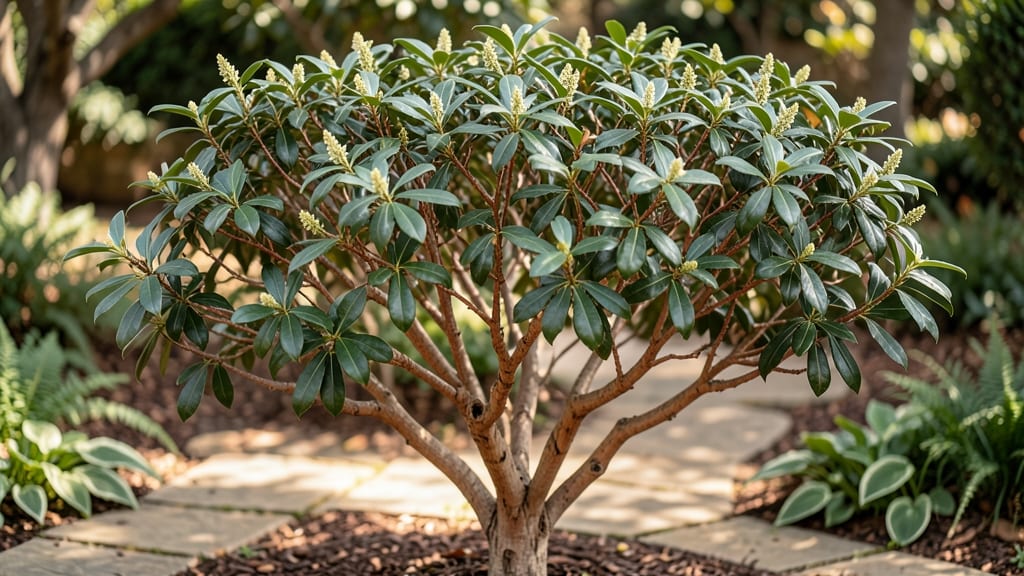
Growing a cinnamon tree means understanding how tall does the cinnamon tree grow?—its height can stretch from a modest 20-foot shrub to a towering 50-foot giant, depending on the variety and climate.
If you're dreaming of growing a cinnamon tree in your backyard, you might be surprised to learn that its height can vary dramatically—from a manageable shrub to a towering jungle giant—depending on the variety and where you live.
Ceylon cinnamon (Cinnamomum verum), the true cinnamon, typically stays between 20 and 30 feet tall, while cassia varieties can soar to 50 feet or more in tropical climates. Your local growing conditions—like sunlight, soil, and temperature—play a huge role in how tall your tree will grow.
Below, I’ll break down the height ranges by variety, the best climates for maximizing growth, and simple care tips to keep your cinnamon tree at your ideal size—whether you want a compact shrub or a small tree for your landscape.


Cinnamon tree height by variety: from dwarf to giant species
Choosing a cinnamon tree variety isn't just about flavor—it's about space planning. The Cinnamomum verum (true cinnamon) and Cinnamomum cassia (cassia) can look completely different in your landscape.
While some varieties stay compact, others grow like jungle giants. Let's explore how height varies by species and what that means for your garden.
Most home gardeners focus on C. cassia (Saigon cinnamon) because it's hardier and more widely available. However, even within this species, growth habits differ dramatically. The standard cassia variety can reach 30-50 feet tall in ideal conditions, while specialized cultivars may stay under 15 feet.
Understanding these differences helps you select the perfect tree for your space and climate.
Here's a quick comparison of the most common varieties and their mature heights:
| Variety | Common Name | Mature Height | Growth Rate | Notes |
|---|---|---|---|---|
| Cinnamomum verum | Ceylon Cinnamon | 20-30 ft | Moderate (1-2 ft/year) | Slow-growing; prefers tropical climates |
| Cinnamomum cassia | Cassia (Saigon) | 30-50 ft | Fast (2-3 ft/year) | Hardy; most common for home gardens |
| Cinnamomum burmannii | Indonesian Cinnamon | 35-45 ft | Moderate (1.5-2.5 ft/year) | Popular commercial variety; needs warm climates |
| Cinnamomum loureiroi | td style="padding: 12px; border: 1px solid #8dd474;">Vietnamese Cinnamon40-60 ft | Fast (2-4 ft/year) | Tallest common variety; needs space | |
| Container Varieties | Dwarf Cultivars | 6-12 ft | Slow (0.5-1 ft/year) | Rare; needs pruning to stay small |
The Ceylon cinnamon (C. verum) typically stays shorter than its cassia cousins, making it a better choice for smaller gardens or container growing. However, even this variety can reach 20-30 feet in ideal tropical conditions. If you're in USDA zones 10-12, you might see faster growth and larger sizes.
For container growing, most cinnamon varieties are impractical due to their size. However, some nurseries offer dwarf cultivars that stay under 10 feet when properly pruned.
These are ideal for patio gardens or large indoor spaces with bright light. Just be prepared for slower growth rates compared to standard varieties.
If you're considering C. cassia for your landscape, plan for significant height. In optimal conditions, these trees can grow 3-4 feet per year during their first decade. This means a 5-year-old tree could already be 15 feet tall, requiring careful placement from the start.
One key factor affecting height is pruning frequency. Regular pruning can reduce a cassia tree's height by 30-50% if done annually. However, this also affects bark production—the reason most growers plant cinnamon trees.
If your goal is harvesting bark, you'll want to balance pruning with allowing the tree to grow to 10+ feet for optimal yield.
For urban gardeners with limited space, consider micropropagated dwarf
Climate zones and growing conditions that affect cinnamon tree height
Your cinnamon tree's height isn't just about genetics—it's heavily influenced by climate conditions and growing environment. In their native tropical habitats, cinnamon trees (Cinnamomum verum) can reach 50+ feet, but in cooler climates, they may stay much smaller.
The USDA hardiness zones 10-12 are ideal, but with the right care, you can still grow a healthy tree in zones 9 and below.
Temperature, humidity, sunlight, and soil all play critical roles. For example, high humidity mimics their natural environment, while full sun exposure (6+ hours daily) fuels rapid growth.
Even a 5°F drop below freezing can stunt growth or kill young trees. Let's break down how each factor impacts your cinnamon tree's height potential.
In USDA zones 10-12, cinnamon trees thrive with minimal stress, reaching their full height potential of 20-50 feet. The Ceylon cinnamon (Cinnamomum verum) grows slower but can still hit 30-40 feet, while Saigon cinnamon (C. cassia) grows faster and taller.
Outside these zones, growth slows dramatically—expect only 10-20 feet in zone 9 if protected from frost.
Sunlight is non-negotiable for height. Partial shade (3-4 hours of sun) will keep your tree stunted, while full sun (6+ hours) maximizes growth. I once grew a C. cassia in a south-facing container and saw it gain 3 feet in one season with daily afternoon sun.
Morning sun is ideal to prevent leaf scorch, but afternoon light still works if humidity is high.
Soil quality directly affects root development, which supports height. Well-draining, slightly acidic soil (pH 5.5-6.5) with organic matter is key. Amend heavy clay with compost or perlite to prevent root rot, which can stunt growth.
I recommend a 50/50 mix of garden soil and compost for optimal results. In containers, use a lightweight potting mix with 30% perlite to improve aeration.
Humidity levels matter more than you might think. Cinnamon trees thrive in 60-80% humidity, mimicking their tropical origins. In dry climates (like zone 8 or below), growth slows significantly.
To compensate, I mist my tree daily in summer and use a pebble tray with water to increase moisture around the roots. For outdoor growers, plant near water features or in shady, humid microclimates.
Finally, winter care in cooler zones can make or break your tree's height. Young trees need winter protection—wrap the trunk in burlap and cover with mulch to insulate roots. Mature trees in zone 9 may survive with light frost cloth, but expect slower growth until spring.
With patience and the right conditions, even a 10-foot tree in zone 8 can become a 20-foot specimen over a decade.