
How To
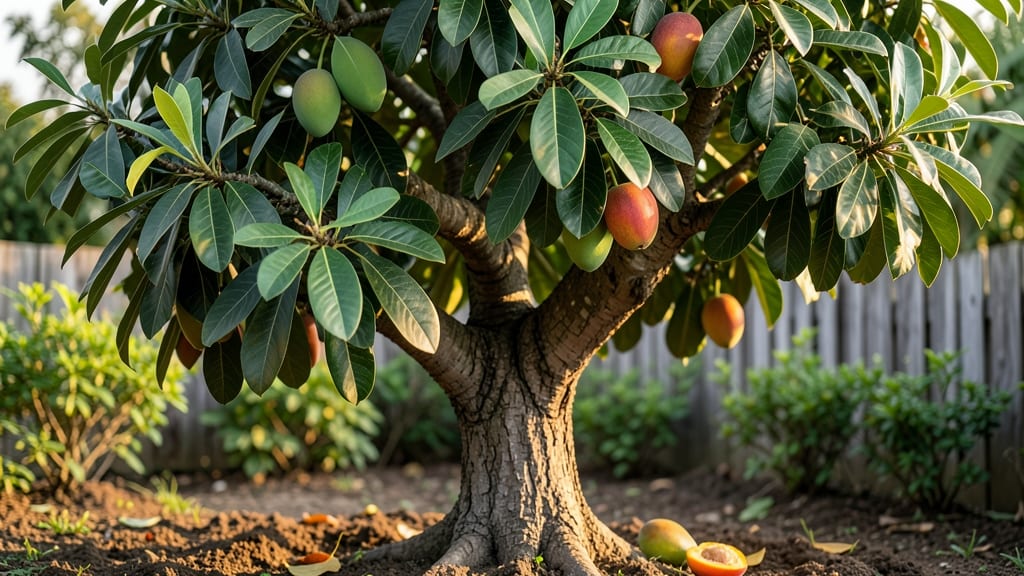
Wondering how tall does a mango tree grow? The height can range from a compact 10-foot dwarf to a towering 100-foot giant—depending entirely on the variety and care you provide.
Dreaming of a lush mango tree in your backyard but unsure how much space to dedicate? The height of a mango tree can vary dramatically depending on the variety, growing conditions, and care—some reach sky-high while others stay manageable for small gardens.
If you’re working with limited space, dwarf varieties like 'Cogshall' or 'Julie' stay under 15 feet, making them perfect for containers or urban yards. Meanwhile, standard types like 'Haden' or 'Keitt' can soar past 30 feet, needing ample room to thrive.
Below, I’ll break down how to choose the right size for your space, the factors that influence growth, and how pruning can help keep your mango tree at your ideal height.


Mango tree height by variety: from dwarf to giant
Choosing the right mango tree variety is crucial if you're planning your garden layout. Some varieties grow tall enough to shade your entire backyard, while others stay compact enough for container gardening or small patios.
The mature height of a mango tree can range from as small as 10 feet to towering over 100 feet, depending on the cultivar and growing conditions.
If you're limited on space but still want to enjoy fresh homegrown mangoes, dwarf varieties are your best bet. These compact mango trees can thrive in containers or small gardens, producing fruit without dominating your outdoor space.
On the other hand, standard varieties require ample room and may need regular pruning to manage their size.
Here’s a quick comparison of popular mango varieties and their mature heights to help you decide which fits your space and goals:
The Cogshall mango is one of the most popular dwarf varieties, perfect for gardeners with limited space. It typically reaches 10–15 feet at maturity, making it ideal for container growing or small urban yards.
This variety is also known for its sweet, fibrous fruit and tolerance to cooler temperatures compared to other mango types.
For those with more space, the Keitt mango is a favorite due to its large, deep-red fruit and moderate growth rate. However, its 30–50 feet mature height means it’s best suited for large backyards or commercial orchards.
If you love the Haden mango, be prepared for a taller tree—this variety can grow up to 60 feet and thrives in subtropical climates.
If you're considering a semi-dwarf variety, the Osteen mango is an excellent choice, reaching 25–35 feet at maturity. It’s well-suited for home orchards and produces fibrous, sweet fruit with a rich flavor.
For faster growth, the Kent mango can reach 50 feet and is often used in commercial settings due to its high yield.
When selecting a mango tree variety, also consider your climate zone and available sunlight. Most mango trees require full sun exposure (6+ hours daily) and thrive in USDA zones 10–11.
If you live in a cooler climate, opt for cold-hardy varieties like Cogshall or Julie, which can tolerate brief drops in temperature better than tropical varieties.
Remember, even if you choose a dwarf variety, proper pruning techniques can help control height and encourage fruit production. Regular pruning also improves airflow, reducing the risk of pests and diseases.
Whether you're growing a 10-foot dwarf or a 60-foot giant, understanding your tree’s mature height will help you plan for long-term care and enjoyment.
With the right variety and care, you can enjoy home
Factors that influence mango tree height growth
Your mango tree’s height isn’t set in stone—it’s shaped by a mix of natural genetics and your care choices. While some varieties naturally stay compact, others can shoot up like skyscrapers if given the right conditions.
Understanding these growth influencers helps you steer your tree toward your ideal size, whether that’s a towering backyard giant or a manageable patio tree.
Climate and sunlight play the biggest role in determining how fast and tall your mango tree grows. Trees in tropical zones (USDA 10-11) thrive with year-round warmth, while those in cooler areas may grow slower until established. Even within the same climate, full sun exposure (6+ hours daily) accelerates growth, while partial shade can stunt it—sometimes by 30% or more.
- 🌡️ Climate & Temperature: Thrives in 80-90°F zones; growth slows below 50°F. Cold snaps can permanently stunt height.
- ☀️ Sunlight Exposure: Full sun (6+ hours) = faster growth; partial shade = slower, weaker branches.
- 💧 Watering Depth: Deep, weekly watering encourages root expansion (taller trees). Shallow watering = stunted roots = shorter growth.
- 🪴 Soil Quality: Well-draining, slightly acidic (pH 5.5-6.5) soil fuels growth. Compact or alkaline soil = slower height gain.
- ✂️ Pruning Technique: Structural pruning (removing upward shoots) controls height; over-pruning can reduce growth by 20-40%.
- 🌱 Fertilizer Type: Balanced NPK (6-6-6) promotes height; nitrogen-heavy fertilizers = leafy but leggy growth.
- 🌿 Root Space: Container-grown trees stay shorter (10-15 ft) vs. in-ground (30-100 ft). Root-bound trees grow upward faster.
Pruning is your secret weapon for controlling height naturally. If you want a shorter tree, focus on removing upward-growing shoots during the dormant season (winter). This redirects energy to lateral branches, keeping the canopy fuller and the trunk shorter. Just avoid heavy pruning in spring—it can delay fruiting by up to a year while the tree recovers.
Don’t underestimate the power of soil quality either. Mango trees crave well-draining, slightly acidic soil (pH 5.5-6.5). Amend heavy clay with compost or sand to prevent root suffocation, which can stunt growth.
A mulch layer (3-4 inches) also retains moisture and encourages deeper root systems, helping your tree reach its full potential height faster.
Overwatering or underwatering can sabotage your tree’s height goals. Deep, infrequent watering (every 7-14 days) encourages roots to grow downward, supporting a taller structure. Shallow watering leads to weak, shallow roots and slower vertical growth. In containers, daily checks are crucial—small pots dry out fast, limiting height potential.
For container-grown mango trees, height control is easier but requires vigilance. Choose dwarf varieties like ‘Cogshall’ (10-15 ft) and upgrade pots every 2-3 years to accommodate root growth. Without proper root space, your tree may grow 30-50% shorter than its in-ground counterpart.
Balance is key—too much root restriction stunts growth, but too much space can encourage rapid (and unmanageable) height spikes.