
How To
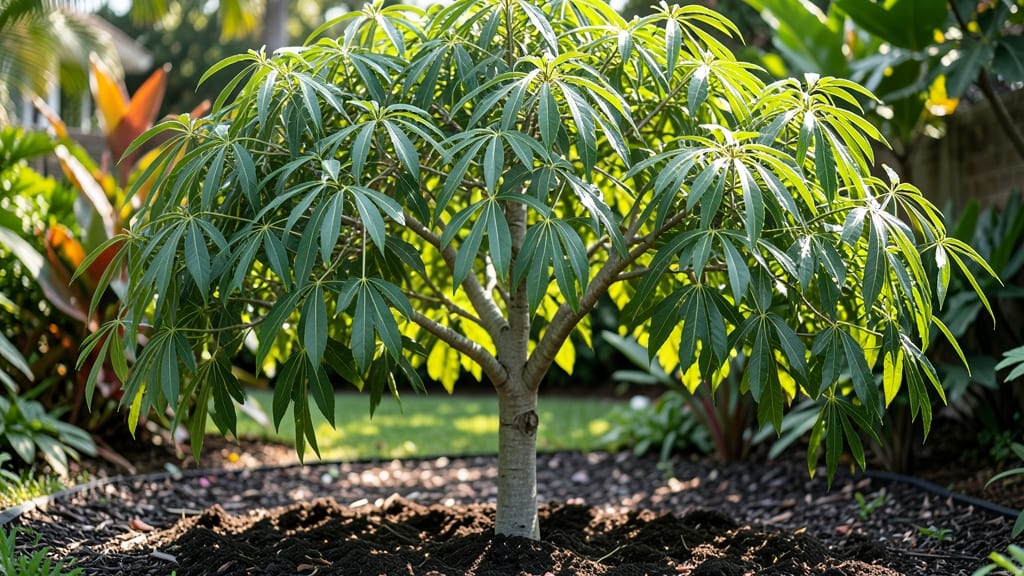
A Benjamin fig tree 🌳 can grow between 15 and 30 feet tall when given the right conditions—whether that’s a sunny backyard or a spacious indoor space.
If you’re considering a Benjamin fig tree for your home or garden, knowing its growth potential is key—because this fast-growing plant can become a stunning centerpiece or an unruly giant if left unchecked.
Outdoors, it thrives in warm climates like USDA Zone 6a, where it can reach its full height within 5 to 10 years. Indoors, however, growth slows dramatically due to limited sunlight and space, often maxing out at 6 to 10 feet without pruning.
Below, I’ll break down how to control its height through pruning, lighting tricks, and container choices—so you can keep it at your ideal size, whether that’s a towering statement piece or a compact houseplant.


Benjamin fig tree height limits: indoor vs outdoor growth differences
The Benjamin fig tree (Ficus benjamina) is a popular choice for both indoor and outdoor spaces, but its growth habits can vary dramatically depending on where you grow it.
In ideal outdoor conditions, this tropical tree can reach heights of 15 to 30 feet, while indoor specimens often max out at 6 to 10 feet—unless you neglect pruning! These differences stem from factors like sunlight exposure, container size, and genetic growth potential.
Outdoor Benjamin fig trees thrive in warm climates with full sun exposure and ample root space, allowing them to grow rapidly. Indoors, however, limited light and restricted root growth in containers naturally slow their ascent.
Understanding these differences helps you set realistic expectations and plan for proper care to keep your tree at your desired height.
Sunlight is the biggest factor influencing height. Outdoor trees basking in 6+ hours of direct sun can grow 3 feet per year, while indoor trees near north-facing windows may grow just 6 inches annually. Even a south-facing window can cut outdoor growth rates by 50% if the tree isn’t placed outside during peak sunlight hours.
The container size plays a huge role for indoor trees. Benjamin figs are tropical trees with extensive root systems. If you keep them in a small pot for years, their roots become root-bound, which stunts both height and overall health.
For every 12 inches of height you want, add 2-3 inches of pot diameter. A 20-gallon container can support a 10-foot tree if pruned properly.
Another key difference is pruning needs. Outdoor trees can handle seasonal pruning to control height, but indoor trees require more frequent pruning—every 3-6 months—to prevent them from becoming unmanageable.
I recommend using sterilized pruning shears and sealing cuts with pruning sealant to prevent disease, especially in indoor environments where airflow is limited.
Even with proper care, indoor Benjamin fig trees will never reach their outdoor counterparts' heights. The lack of natural sunlight and restricted root space create a growth ceiling.
However, you can maximize their potential by placing them near south-facing windows and supplementing with grow lights during winter months when daylight is scarce.
For outdoor trees, soil quality and water consistency become critical. Well-draining, slightly acidic soil (pH 6.0-7.0) and deep watering 2-3 times per week during dry spells encourage faster, healthier growth. Mulching around the base helps retain moisture and mimics the tree's natural tropical habitat.
If you're growing a Benjamin fig tree outdoors in USDA Zones 9-11, you can expect it to reach its full 15-30 foot potential within 5-10 years. In cooler climates, treat it as an
How to control Benjamin fig tree height: pruning and care tips
Controlling the height of your Benjamin fig tree requires a strategic approach, especially since this fast-growing plant can reach 15-30 feet outdoors.
Whether you're growing it indoors or outdoors, understanding the right pruning techniques and care adjustments will help you maintain your desired height—whether that's a compact tabletop tree or a manageable indoor specimen. The key lies in timing, tools, and consistent maintenance.
For indoor trees, height control is critical because space is limited. Without proper pruning, your Benjamin fig tree can grow 6-10 feet tall in just a few years, making it difficult to manage. Outdoors, the challenge shifts to managing sprawling branches and rapid vertical growth.
The good news? With the right techniques, you can keep your tree at a height that works for your space while ensuring it stays healthy and vibrant.
Step-by-Step Guide to Controlling Benjamin Fig Tree Height
-
Choose the Right Time to Prune
Prune your Benjamin fig tree in late winter or early spring (February-March) when the tree is just beginning to show new growth. Avoid pruning in fall or winter, as this can stress the plant and reduce its ability to recover.
-
Use the Right Tools
Gather sharp, sterilized pruning shears or a pruning saw for thicker branches. Clean your tools with rubbing alcohol to prevent the spread of disease. A glove and safety glasses are also recommended to protect yourself from sap and sharp branches.
-
Identify and Remove Problem Branches
Look for crossing branches, dead or diseased wood, and branches growing inward. Remove these first, as they can weaken the tree and create a messy canopy. Cut branches back to a healthy bud or lateral branch to encourage fuller growth.
-
Shape the Tree for Height Control
To control height, focus on pruning the topmost branches. Cut back the longest vertical stems by about 1/3 of their length. This encourages the tree to grow wider rather than taller. For a bushier look, trim the outer branches to promote lateral growth.
-
Repot or Fertilize as Needed
If your tree is root-bound, repot it in spring using a container just 1-2 inches larger than the current one. Use a well-draining potting mix and fertilize with a balanced fertilizer (6-6-6) every 4-6 weeks during the growing season to support controlled growth.
-
Adjust Light and Watering
Ensure your tree gets bright, indirect light (indoors) or full sun outdoors. Overwatering can lead to rapid, weak growth, so water only when the top inch of soil is dry. Reduce watering in winter months to slow growth and maintain a manageable height.
-
Monitor and Maintain Year-Round
Check your tree regularly for new growth and adjust pruning as needed. In summer, you can do light pruning to shape the tree, but avoid heavy cuts. Keep an eye out for pests or diseases, and treat them promptly to avoid stressing the tree.
Another effective way to control height is through root pruning, especially if your tree is in a container. Gently trim the outer roots during repotting to encourage a denser root system, which can slow vertical growth.
This technique is particularly useful for indoor trees, where space is limited and rapid growth can become problematic.
Seasonal care is also crucial. In spring and summer, your Benjamin fig tree will grow most aggressively, so this is when you should focus on pruning and shaping.
During fall and winter, reduce watering and avoid pruning, as the tree enters a dormant phase. This natural slowdown can help you maintain height more easily.
With these pruning and care tips, you can keep your Benjamin fig tree at a height that suits your space, whether you're aiming for a compact indoor tree or a well-managed outdoor specimen.
The key is consistency—regular pruning, proper watering, and attentive care will ensure your tree stays healthy and within your desired height limits. 🌿✂️🪴