
How To
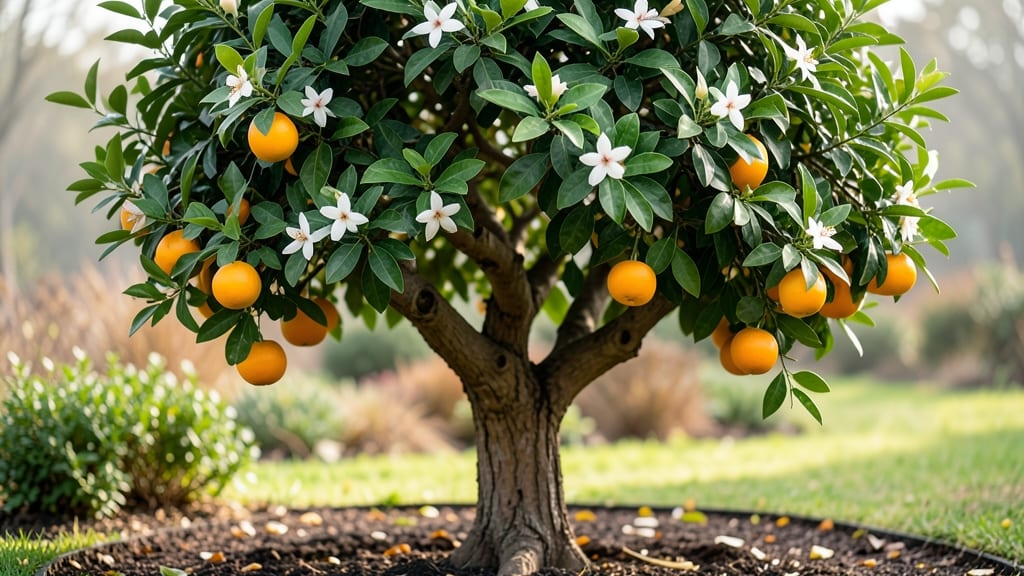
An orange tree’s mature height can range from how tall an orange tree grows—a manageable 8 feet to a towering 40 feet—depending on the variety and care you provide.
Picture this: a dwarf orange tree 🍊 thriving in your backyard patio, while a standard variety stretches toward the sky like a small forest. That’s the kind of difference we’re talking about—and it all starts with the right choice for your space.
Standard orange trees need room to grow, but dwarf varieties (like the popular 'Improved Meyer') are perfect for containers or small gardens. The key? Understanding how rootstock, pruning, and climate influence growth so you can plan ahead.
In this guide, I’ll break down the height differences, share space-saving tips, and explain how to keep your tree healthy—whether it’s a compact patio tree or a full-size citrus giant.


Standard vs dwarf orange tree heights: key differences explained
When choosing an orange tree, one of the first questions I ask myself is how tall will it grow? The answer depends entirely on whether you opt for a standard orange tree or a dwarf variety.
These two types can differ by 30 feet or more at maturity, making the choice critical for your garden layout and fruit production goals.
Standard orange trees, like the classic Citrus × sinensis, can reach heights of 20 to 40 feet in ideal conditions. These giants need ample space, often requiring 15-20 feet of clearance from structures and other plants.
In contrast, dwarf varieties—often grafted onto Citrus × aurantium rootstock—stay between 6 and 12 feet tall, perfect for small yards or containers.
The rootstock used in dwarf orange trees is the secret to their compact size. When a standard orange tree scion is grafted onto Citrus × aurantium rootstock, it restricts the tree's growth while maintaining the desired fruit characteristics.
This technique allows you to enjoy fresh oranges without sacrificing valuable garden space.
Growth rates also differ significantly. A standard orange tree might grow 1 to 2 feet per year, while dwarf varieties can grow slightly faster—1 to 1.5 feet annually.
This means a dwarf tree can reach fruiting size in as little as 3 to 5 years, compared to 5 to 10 years for standard trees.
If you're growing in containers, dwarf varieties are the only practical choice. A standard orange tree simply won't thrive in a pot due to its massive root system and height.
Dwarf trees, however, can produce abundant fruit in containers as large as 25 gallons, making them ideal for patios, balconies, or small urban gardens.
Another critical factor is pruning requirements. Standard trees need minimal pruning beyond removing dead or diseased branches, while dwarf trees benefit from regular shaping prunes to maintain their size and encourage bushier growth. Without pruning, even dwarf trees can outgrow their intended space over time.
For those in cooler climates (USDA Zones 6-8), dwarf varieties offer an additional advantage: they're often more cold-hardy than standard trees. While neither type tolerates frost well, dwarf trees can sometimes survive brief dips to 20°F with proper protection, compared to standard trees that may struggle above 25°F.
When planning your orange tree's location, consider both the mature height and the canopy spread. A standard tree's branches can extend 15 to 20 feet wide, while dwarf varieties typically spread 6 to 10 feet.
This means you'll need significantly more space for a standard tree, both horizontally and vertically.
Ultimately, the choice between a standard and dwarf orange tree comes down to your space constraints, fruit production goals, and growing conditions. If you're working with limited space or want to grow oranges in containers, dwarf varieties are the clear winner.
For larger properties where space isn't an issue, standard trees offer the reward of larger fruit yields and a more traditional citrus tree experience.
Best orange tree varieties for small spaces and containers
If you love the idea of growing your own oranges but have limited space, don’t worry—there are perfect dwarf and semi-dwarf varieties that thrive in containers or small gardens. These compact citrus trees can produce delicious fruit while staying manageable, even in apartments or patios.
The key is choosing the right variety and providing the right care to maximize both growth and harvest.
Dwarf orange trees typically reach 6 to 12 feet tall, while semi-dwarf varieties can grow up to 12 to 15 feet. With proper pruning and container selection, you can keep them even smaller.
Below are my top picks for small-space growing, each offering unique flavors and benefits to suit different climates and preferences.
🍊 Top Orange Tree Varieties for Containers
- 'Calamondin' (Citrus × microcarpa) – 3-6 ft tall, perfect for small pots. Produces tart, lime-sized fruits great for marinades and cocktails. Thrives indoors near sunny windows.
- 'Improved Meyer' (Citrus × sinensis) – 6-10 ft tall, sweet and juicy like Valencia. Handles container life well and tolerates cooler temps. Needs full sun and regular watering.
- 'Cara Cara' (Citrus × sinensis) – 8-12 ft tall, known for its deep red flesh and sweet-tart flavor. Ideal for small yards or large containers with well-draining soil.
- 'Eureka' (Citrus × sinensis) – 6-10 ft dwarf grafted, classic bitter-sweet orange. Needs winter protection in cold zones but produces abundant fruit in containers.
- 'Satsuma' (Citrus unshiu) – 8-12 ft tall, seedless and cold-hardy. Perfect for USDA Zone 7+ and grows well in 15-gallon containers.
When selecting a container, choose one that’s at least 15-20 gallons for mature dwarf trees to accommodate root growth. Ensure it has drainage holes to prevent root rot, and use a well-draining citrus potting mix.
Place your container in a spot with at least 6-8 hours of sunlight daily—a south-facing window or balcony works well for indoor growing.
To encourage fruit production in small spaces, feed your tree with a citrus-specific fertilizer every 4-6 weeks during spring and summer. Prune lightly after harvest to shape the tree and remove any dead or crossing branches.
Avoid heavy pruning, as it can reduce flowering and fruiting the following year.
With the right variety and care, you’ll enjoy homegrown oranges even in the smallest of spaces. Whether you’re growing 'Calamondin' for cocktails or 'Improved Meyer' for fresh juice, these compact trees bring the joy of citrus to any garden—no matter how tiny.