
How To
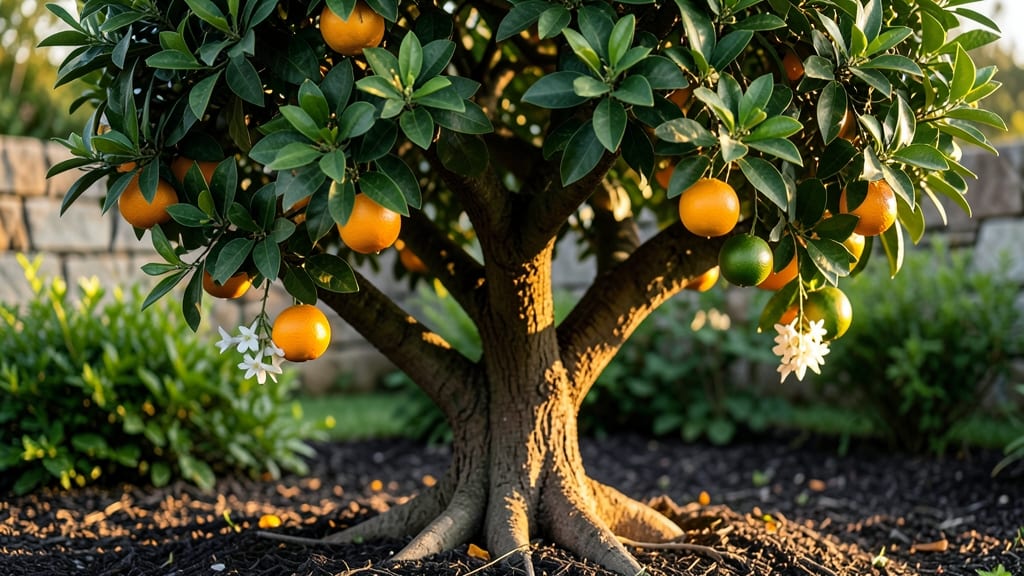
How tall an orange tree grows can range dramatically—from a compact 8 feet to towering 40 feet, depending on the variety and care you provide.
Dreaming of fresh oranges straight from your backyard but worried about space? The height of an orange tree can make or break your gardening plans—some tower like skyscrapers while others stay compact enough for containers.
Standard varieties like Valencia or Navel can reach 20-40 feet tall, needing plenty of room to spread their branches and roots. But if you’re working with limited space, dwarf varieties like Improved Meyer or Calamondin stay between 6-12 feet, perfect for patios or even large pots.
In this guide, I’ll break down the differences between standard and dwarf orange trees, how to control their growth, and the best ways to fit them into your garden—no matter how small.


Standard orange tree height: how tall they grow naturally & space requirements
If you're planning to grow an orange tree in your yard, understanding its mature height is essential for proper spacing and long-term care. Standard orange trees can reach impressive heights—often between 15 to 25 feet tall—with some varieties even exceeding 30 feet under ideal conditions.
The variety you choose, along with the rootstock used, plays a huge role in determining how tall your tree will grow naturally.
Popular varieties like Valencia oranges and Navel oranges typically grow to about 20-25 feet when planted in the ground, while Blood oranges may reach similar heights but with a slightly more compact growth habit.
Without proper pruning or space management, these trees can quickly outgrow even the largest backyards, making yard planning a critical first step.
Here’s a quick breakdown of what to expect with standard orange trees, including their mature heights, spread, and the space they’ll need to thrive:
The rootstock you choose for your orange tree is one of the biggest factors influencing its height. Standard rootstocks like Sour Orange or Cleopatra Mandarin allow trees to grow to their full potential, often reaching 20-30 feet tall.
In contrast, dwarfing rootstocks like Trifoliate Orange or Swingle Citrumelo can reduce mature height to 10-15 feet, making them ideal for smaller spaces or container growing.
When planning your yard, remember that orange trees aren’t just tall—they also spread wide. A mature standard orange tree can have a spread of 15-20 feet, meaning you’ll need at least 25 feet of clearance in all directions for proper airflow and sunlight penetration.
Planting too close to fences, buildings, or other trees can lead to stunted growth, poor fruit production, and increased susceptibility to diseases like root rot or fungal infections.
If you're growing oranges in a container, even standard varieties can be managed with the right rootstock and pruning techniques. However, containers limit root growth, so you’ll need a large pot (at least 24 inches in diameter) and regular fertilization to compensate.
Always choose a container with drainage holes to prevent waterlogging, which can be fatal for citrus trees.
Another key consideration is the climate zone you live in. Orange trees thrive in USDA Zones 9-11, where they can grow year-round without frost damage. In colder regions, you’ll need to plant them in containers and bring them indoors during winter or use frost cloth for protection.
Even in warm climates, proper pruning and training can help manage height and encourage a more compact, manageable shape.
For those with limited space, consider planting your orange tree near a south-facing wall
Dwarf orange tree varieties: compact options for small gardens & containers
If you love the idea of growing your own oranges but lack the space for a towering standard citrus tree, dwarf varieties are your perfect solution. These space-saving citrus trees reach just 6-12 feet tall at maturity, making them ideal for patios, balconies, or even large containers.
Whether you're an urban gardener or simply prefer low-maintenance fruit trees, these compact varieties deliver big flavor in small packages.
The key to successful dwarf orange tree cultivation lies in selecting the right variety and providing proper container conditions. Unlike their full-sized counterparts, dwarf trees thrive in 5-gallon pots or larger when grown in containers, requiring regular pruning to maintain their shape.
Let's explore the top dwarf orange tree varieties that will fit seamlessly into your small garden or urban space.
Dwarf Orange Tree Varieties: Height & Care Comparison
Improved Meyer Lemon-Orange
- Sweet-tart fruit (edible year-round)
- Cold-hardy to 20°F (better than true oranges)
- Compact 6-10 ft height in containers
- Needs full sun (6+ hours)
- Requires large containers (15+ gallons)
- Less cold-hardy than Calamondin
Calamondin Orange
- Tiny 3-6 ft height (perfect for containers)
- Cold-hardy to 18°F (best for cool climates)
- Fragrant orange blossoms (great for pollinators)
- Fruit is small and tart (not ideal for eating)
- Slower fruit production than Meyer
- Needs well-draining soil (hates soggy roots)
Swingle Citrumelo
- Disease-resistant rootstock (great for grafting)
- Reaches 8-12 ft height (ideal for small yards)
- Produces large, sweet fruit
- Not self-pollinating (needs another tree)
- Requires pruning to control spread
- Less cold-hardy (25°F tolerance)
For urban gardeners with limited space, the Improved Meyer lemon-orange is my top pick—its sweet-tart fruit and cold-hardiness make it incredibly versatile. Plant it in a 15-gallon container with well-draining citrus mix and place it in a sunny spot.
Remember to rotate the pot occasionally so all sides get equal sunlight, preventing the tree from leaning.
If you're growing in USDA Zone 8 or cooler, the Calamondin orange is a fantastic choice for its hardiness and compact size. This variety thrives in 5-gallon pots and even tolerates indoor growing near a south-facing window.
Just be prepared for smaller fruit—it's more about the fragrant blossoms than the harvest.
To keep your dwarf orange tree healthy and productive, prioritize well-draining soil and consistent moisture. Water deeply every 5-7 days during warm months, ensuring the top 2 inches of soil dry out between waterings.
In containers, use a citrus-specific potting mix with perlite to prevent root rot—a common issue with citrus trees.
With proper care, your dwarf orange tree can produce fruit in as little as 2-3 years, offering fresh, homegrown citrus year-round.
Whether you choose the sweet Meyer, the hardy Calamondin, or the productive Swingle, these compact varieties prove that you don't need a large yard to enjoy the rewards of growing your own oranges. 🍊