
How To
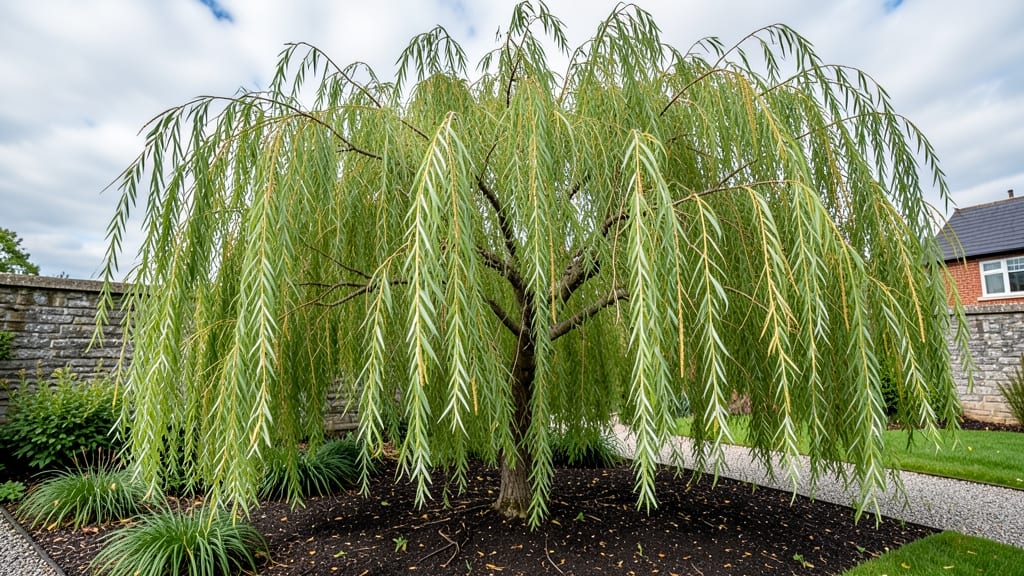
Willow trees grow how tall does a willow tree grow—some varieties shoot up to 80 feet or more, while others stay compact enough for smaller yards.
Picture this: a weeping willow 🌳 bending gracefully over a pond, its branches trailing like a living waterfall. But not all willows are giants—some, like the dwarf varieties, top out at just 10 feet.
The difference? Species, soil, and climate all play a role in how fast and how tall your willow will grow.
If you’re planning to plant one, knowing the height range of your chosen variety is key. A black willow could outgrow your backyard in a decade, while a pussy willow stays manageable.
Below, I’ll break down the fastest-growing types, how to control their size, and when to prune before they become unruly.
Ready to pick the perfect willow for your space? Let’s dive into the numbers—because some of these trees grow faster than you can say "landscape transformation."


Willow tree height ranges: fastest-growing varieties and their maximum heights
Willow trees are famous for their rapid growth and impressive stature, but their heights can vary dramatically depending on the species and growing conditions. Some varieties like the Weeping Willow can reach heights of 50–80 feet, while others remain more compact.
Understanding these differences helps you choose the right willow for your space and climate.
The fastest-growing willow varieties often thrive in wet, fertile soils with full sun exposure. These conditions allow them to shoot up 6–12 feet per year in ideal environments. However, their growth slows in drought-prone or urban areas where competition for water and nutrients is fierce.
Climate plays a huge role in how tall a willow tree grows. In humid, temperate regions like the southeastern U.S., willows can reach their maximum heights faster. Meanwhile, in arid or cold climates, their growth may be stunted, and they might never reach their full potential.
| Variety | Mature Height | Annual Growth Rate | Best Climate |
|---|---|---|---|
| Weeping Willow (Salix babylonica) | 50–80 ft | 6–12 ft/year | Humid, temperate |
| White Willow (Salix alba) | 40–60 ft | 5–8 ft/year | Coastal, moist |
| Black Willow (Salix nigra) | 30–50 ft | 4–7 ft/year | Wetlands, swamps |
| Hybrid Poplar-Willow | 60–100 ft | 8–15 ft/year | Fast-growing regions |
| Pussy Willow (Salix discolor) | 10–20 ft | 2–4 ft/year | Cool, moist climates |
The Weeping Willow is one of the most recognizable tall willow trees, often reaching 50–80 feet with its iconic drooping branches. Its rapid growth makes it a favorite for quick shade, but its aggressive root system can damage nearby structures if not managed properly.
White Willow trees are slightly shorter, typically maxing out at 40–60 feet, but they’re more adaptable to different soil types. Their fast growth rate of 5–8 feet per year makes them ideal for erosion control along riverbanks or ponds.
If you’re looking for the fastest-growing willow, hybrid varieties like Poplar-Willow crosses can outpace even the Weeping Willow, growing 8–15 feet per year under ideal conditions. These hybrids are often used in reforestation projects where quick canopy coverage is needed.
On the smaller side, Pussy Willow trees stay between 10–20 feet tall, making them perfect for smaller yards or container gardening. Their slower growth rate of 2–4 feet per year means they’re easier to manage without constant pruning.
When planting a willow tree, always consider your local climate and available space. In urban areas, even fast-growing varieties may struggle due to limited water access, while rural or wetland properties can support their maximum heights.
For those concerned about root spread, some dwarf varieties like Salix caprea 'Pendula' offer a more compact option without sacrificing the willow’s signature elegance. These can reach 15–25 feet while staying easier to control.
Regardless of variety, willow trees thrive with consistent moisture and full sun. If you’re planting one, be prepared for its potential height and growth speed—these trees don’t stay small for long! 🌳
How fast do Willow trees grow: annual growth rates by species
Willow trees are famous for their rapid growth, but not all species sprout at the same speed.
Some varieties like the Black Willow (Salix nigra) can shoot up 8+ feet per year in ideal conditions, while others like the Crack Willow (Salix fragilis) grow a more modest 3–5 feet annually.
Understanding these growth rates helps you plan for space, pruning needs, and even removal if a tree becomes too aggressive.
The Weeping Willow (Salix babylonica), a popular ornamental choice, typically grows 3–5 feet per year but can reach 50+ feet tall in just 10–15 years.
Meanwhile, the White Willow (Salix alba) grows slightly slower at 4–6 feet per year, making it a better fit for larger landscapes where you want a fast but slightly more controlled growth rate.
If you plant a Black Willow in your yard, expect it to reach 30–40 feet tall in just 5–7 years. This rapid growth makes it ideal for erosion control near ponds or streams, but it also means you’ll need to prune aggressively to manage its size.
In contrast, a Crack Willow might take 10+ years to reach similar heights, giving you more time to adjust your landscape plans.
For urban gardeners, the Weeping Willow is a favorite, but its 3–5 feet per year growth means it can quickly outgrow small yards. I’ve seen neighbors struggle when their 10-year-old Weeping Willow suddenly towers over their house, blocking sunlight to nearby plants.
Always check local regulations before planting, as some cities restrict willow varieties due to their invasive roots.
To slow down aggressive growth, prune in late winter or early spring before new shoots emerge. Remove 1/3 of the tree’s height at a time to avoid shocking it, and always wear gloves—willow branches are sharp and can cause cuts.
For Black Willow or Weeping Willow, consider installing a root barrier to prevent roots from spreading into foundations or sewer lines.
Knowing these growth rates helps you choose the right willow for your space. If you want a fast-growing tree for privacy or erosion control, the Black Willow is unbeatable.
But if you prefer a slower, more manageable option, the White Willow or Crack Willow might be better fits. Plant wisely, and enjoy watching these giants grow!