
How To
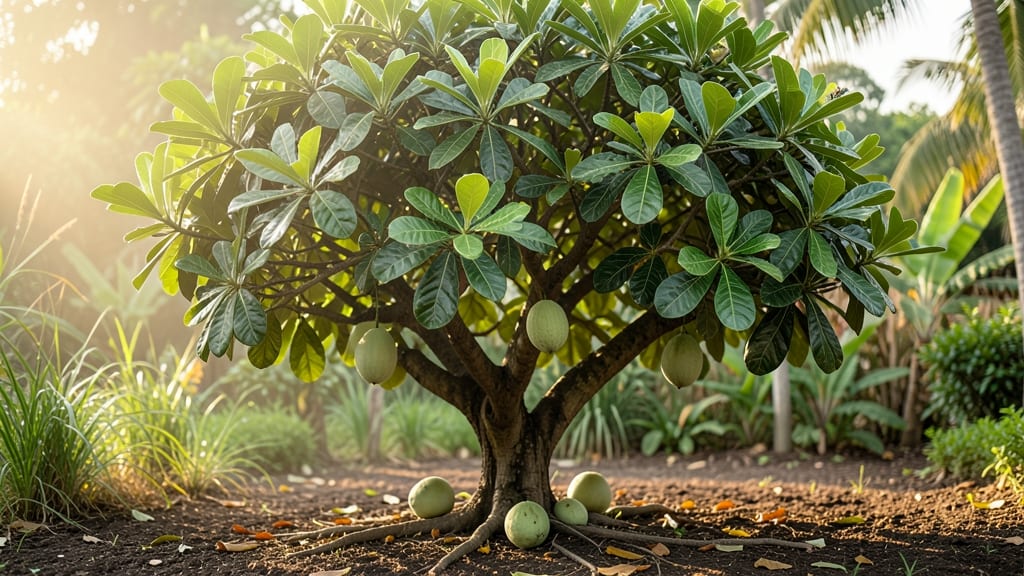
A soursop tree can grow between 15 and 50 feet tall, depending on its variety and growing conditions—some tower like skyscrapers while others stay manageable for smaller spaces.
If you’re picturing a lush tropical backyard, the soursop tree (Annona muricata) might be your star player—but its height depends entirely on where you live and how you care for it.
In the right climate, it can reach 40 feet or more, while in containers or cooler subtropical zones, it often stays between 10 and 20 feet. That flexibility makes it a favorite for both orchards and patio gardens.
This tropical giant thrives in USDA Zones 10-11, where it grows year-round, but even in subtropical regions, it can still hit 20 feet with proper care.
The key to controlling its size lies in pruning, soil quality, and spacing—without these, you might end up with a towering shade tree instead of a fruitful addition to your garden.
Below, I’ll break down how to predict your soursop tree’s height based on its variety, how to keep it at your desired size, and whether container gardening is even possible. Spoiler: with the right approach, you can enjoy its sweet fruit without sacrificing your backyard space.


Soursop tree height by variety: exact growth ranges and mature sizes
The soursop tree (Annona muricata) is a tropical giant with dramatic height variations depending on its variety and growing conditions. In ideal climates—like USDA zones 10-11—it can reach 40-50 feet tall, while in cooler subtropical areas, it often maxes out at 20-30 feet.
The key difference lies in genetics and environmental factors, which we’ll break down by variety below.
Most soursop varieties fall into two broad categories: standard-height and hybrid selections. Unfortunately, there are no true dwarf varieties of soursop, but some hybrid crosses and careful pruning can keep trees more manageable. Let’s explore the exact height ranges for the most common types you might encounter.
Climate and soil play huge roles in soursop height. Trees in humid, frost-free tropical zones grow faster and taller, while those in drier subtropical areas stay shorter. Well-draining, slightly acidic soil (pH 5.5-6.5) also encourages healthy growth—poor soil can stunt a tree’s height or make it grow too quickly and weakly.
If you’re considering container gardening, focus on the Florida Improved or Hawaiian Hybrid varieties—they tolerate pruning better than standard types. Even then, expect your tree to max out at 6–12 feet without aggressive height control. For outdoor planting, leave 15–20 feet of clearance if you choose a standard variety.
Young soursop trees grow 1–2 feet in their first year, then accelerate to 3–6 feet annually until they reach maturity. The Caribbean Selection is the fastest grower, while the Florida Improved stays more manageable. In cooler climates, growth slows significantly—sometimes halting entirely during winter months.
Soil fertility also impacts height. Trees grown in nutrient-rich, slightly acidic soil with regular balanced fertilizer (6-6-6 NPK) will grow taller faster. However, over-fertilizing can lead to weak, leggy growth and fewer fruits.
Aim for 1 cup of fertilizer every 6 weeks during the growing season to balance height and productivity.
Light exposure is another critical factor. Soursop trees need 6+ hours of direct sunlight daily to reach their full height potential. In shadier conditions, they’ll grow taller but produce smaller, fewer fruits.
If you’re in a subtropical zone with partial shade, expect your tree to stay 10–15 feet shorter than its tropical counterparts.
For those in USDA zones 9 or cooler, soursop trees may not reach their full height due to seasonal stress. In these areas, heavy mulching and winter protection can help maintain growth, but expect a 20–30% reduction in mature height.
Always plant in well-draining soil to prevent root rot, which can stunt growth entirely.
If you’re wondering whether a soursop tree is right for your space, consider this: standard varieties need room, while pruned container trees are perfect for patios or small yards. With the right variety and care, you can enjoy this tropical fruit without sacrificing your garden’s layout.
How to control soursop tree height: pruning, spacing, and container tips
Managing the height of your soursop tree (Annona muricata) starts with understanding its natural growth habits. Without intervention, these tropical beauties can reach 15–50 feet tall, towering over most backyard spaces. The good news?
With strategic pruning, proper spacing, and container techniques, you can keep your tree at a manageable height while maximizing fruit production. Whether you're working with a young sapling or an established tree, these methods will help you maintain control over its vertical growth.
For outdoor planting, spacing requirements play a critical role in height control. Soursop trees need ample room to establish strong root systems, but overcrowding encourages upward growth. Plant your tree at least 15–20 feet away from structures or other plants to prevent competition that forces it to stretch.
In smaller yards, consider dwarf rootstock (though true dwarf varieties aren’t common) or implement regular pruning to redirect energy toward fruit-bearing branches instead of height.
Here’s how to manage your soursop tree’s height through pruning, spacing, and container gardening, with step-by-step guidance for each method:
Timing matters! Prune late winter or early spring (just before new growth begins) to remove upward-growing branches. Use clean, sharp pruning shears to cut just above a leaf node or outward-facing bud. For fruit production, focus on maintaining a balanced canopy—remove no more than 25% of foliage per pruning session.
Plant your soursop tree in a location with full sun (6+ hours daily) and 15–20 feet of clearance from other plants or structures. In small yards, use container growing (see Step 4) or prune aggressively to prevent height spikes. Ensure the soil is well-draining and slightly acidic (pH 5.5–6.5) to support healthy root development.
To boost fruit production, prune during the dormant season (winter) to remove dead or diseased branches and thin out overcrowded growth. Aim to create an open canopy that allows sunlight to reach the inner branches, where most fruit develops. Avoid heavy pruning in summer, as it can stress the tree.
For small spaces or patios, grow your soursop in a large container (3+ feet deep) with drainage holes. Use a lightweight, well-draining potting mix and repot every 2–3 years to refresh nutrients. Prune regularly to control height and keep the tree under 6–8 feet tall. Move containers indoors during winter if temperatures drop below 50°F (10°C).
Check your tree’s growth monthly and adjust pruning as needed. If you notice rapid vertical growth, it may indicate nutrient deficiency or overwatering. Reduce watering slightly and fertilize with a balanced NPK (6-6-6) to encourage horizontal growth instead of height.
When pruning, always prioritize health over aesthetics. Remove suckers (shoots at the base) and water sprouts (thin, upward branches) to redirect energy toward fruit-bearing limbs. For container-grown trees, topping (cutting the main stem) can be a last resort to control height, but it may reduce fruit production temporarily.
Pair these techniques with proper spacing and container care to keep your soursop tree thriving at your desired height.
Remember, soursop trees are slow to mature—it can take 3–5 years for a young tree to bear fruit. Patience and consistent care will pay off with a manageable-sized tree that produces abundant, tropical-flavored fruit year-round in the right climate.
Start with these methods today, and you’ll enjoy a well-proportioned soursop tree that fits your space perfectly! 🌴