
How To
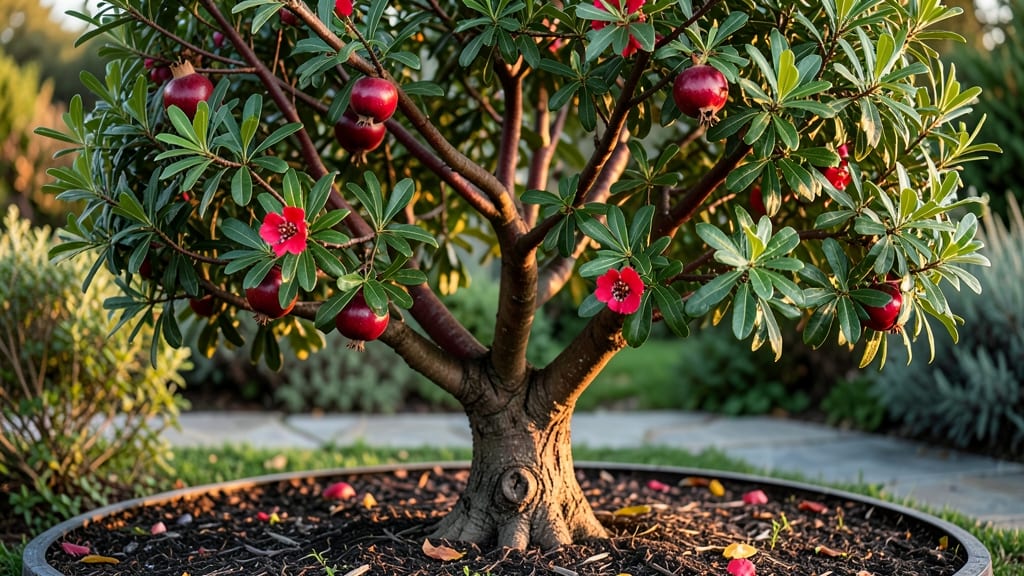
A pomegranate tree grows how tall does a pomegranate tree grow between 15 to 30 feet at maturity, but the good news is that dwarf varieties stay under 8 feet—perfect for small yards or containers.
If you’re dreaming of vibrant red pomegranates but worried about space, you’ll love this: compact varieties like ‘Nana’ or ‘Wonderful’ thrive in tight spots while still producing plenty of fruit. Meanwhile, standard types need room to stretch their branches wide.
Growth speed varies by variety and climate, but most reach half their mature height in just a few years. Pruning in late winter keeps them manageable, while well-draining soil and full sun accelerate growth—critical for faster harvests.
Below, I’ll break down how to pick the right size for your garden, plus pruning tips to control height without sacrificing those juicy 🍇 fruits.


Pomegranate tree height by variety: dwarf vs standard sizes explained
Choosing the right pomegranate tree for your space starts with understanding height differences. Standard varieties can soar to 20–30 feet, while dwarf types stay compact at 3–8 feet. Your garden's layout, sunlight, and even container size will determine which variety thrives best.
Let's break down the options so you can pick the perfect fit for your outdoor area or patio.
Standard pomegranate trees like 'Wonderful' or 'Eversweet' grow tall and dramatic, perfect for large yards or landscape focal points. Dwarf varieties, such as 'Nana' or 'Dwarf Pomegranate', are ideal for small gardens, containers, or urban patios.
Even in tight spaces, you can enjoy vibrant fruit and stunning orange-red blooms with the right choice.
🌱
If you're growing pomegranate trees in containers, dwarf varieties like 'Nana' or 'Sweetheart' are your best bet. These compact types thrive in 15–30 gallon pots with well-draining soil, making them perfect for patios or balconies.
Just remember to repot every 2–3 years to accommodate root growth and ensure your tree stays healthy.
For in-ground planting, standard varieties like 'Wonderful' or 'Eversweet' will reward you with larger fruit yields and dramatic height. These trees need 6–8 feet of space around them to prevent root competition and ensure proper airflow.
If your yard is small, consider pruning techniques to manage height while still enjoying abundant harvests.
🌿
One of the biggest misconceptions about pomegranate trees is that all varieties grow tall. In reality, dwarf types can produce just as much fruit per square foot as larger trees, just on a smaller scale.
For example, 'Nana' produces 50–100 fruits per tree, while 'Wonderful' can yield 200+ fruits—but requires far more space. Choose based on your harvest goals and available room.
Climate also plays a role in tree height control. In warmer zones (USDA 8–11), pomegranates grow faster and taller, while in cooler climates (USDA 6–7), growth slows, often resulting in shorter, bushier trees.
If you're in a cooler region, a dwarf variety may naturally stay even smaller than listed, making it a great low-maintenance option.
🪴
Pruning
How to choose the right pomegranate tree height for your garden space
Choosing the right pomegranate tree height depends on your garden’s layout and your long-term care goals. If you’re working with limited space—like a balcony garden or urban patio—dwarf varieties are your best bet.
For larger yards, standard trees offer higher fruit yields but require more room. Let’s break down how to match your space with the perfect tree size.
First, consider your available growing space. A dwarf pomegranate tree (3–8 feet tall) thrives in containers or small gardens, while standard varieties (15–25 feet) need ample yard space. Urban gardeners often opt for patio-friendly dwarf types, whereas rural homesteaders may prefer larger trees for abundant harvests.
🌱 Pomegranate Tree Height Guide by Garden Type
- 🏡 Small Urban Gardens: Choose dwarf varieties (3–6 ft) like 'Eversweet' or 'Wonderful' in containers (15–20 gallon pots).
- 🏡 Medium-Sized Yards: Semi-dwarf trees (8–12 ft) like 'Mollar of Elche' fit well with pruning for shape control.
- 🌳 Large Rural Landscapes: Standard trees (15–25 ft) like 'Granada Sweet' thrive with full sun exposure and minimal pruning.
- 🏙️ Balcony/Container Gardens: 'Nana' or 'Dwarf Pomegranate' (under 5 ft) are ideal for 5-gallon pots.
- 🌡️ Hot Climate Zones (8–11): Dwarf or semi-dwarf varieties handle heat better with less water needs.
Next, think about your climate zone. Pomegranates love full sun (6+ hours daily) and warm temperatures (USDA Zones 7–11). In cooler zones (Zone 6), dwarf varieties are hardier and easier to protect during winter.
If you’re in Zone 8 or higher, standard trees can flourish with proper watering and mulching.
Pruning plays a huge role in managing height. For dwarf trees, minimal pruning keeps them compact, while standard trees benefit from annual pruning in late winter to remove dead wood and shape growth.
Always use sterilized pruning shears to prevent disease. In small spaces, espalier training can turn a standard tree into a wall-mounted feature!
Don’t overlook fruit production goals. Dwarf trees yield fewer pomegranates but are perfect for small-scale harvesting. Standard trees produce more fruit but require regular pruning and space.
If you’re growing for juice or seeds, a larger tree may be worth the investment. For fresh fruit, dwarf varieties offer convenience without sacrificing quality.
For urban gardeners, consider container growing. Use large pots with drainage holes and a well-draining potting mix. Move containers indoors during winter in colder zones. With the right variety and care, you can enjoy homegrown pomegranates even in a tiny space! 🌿