
Pruning
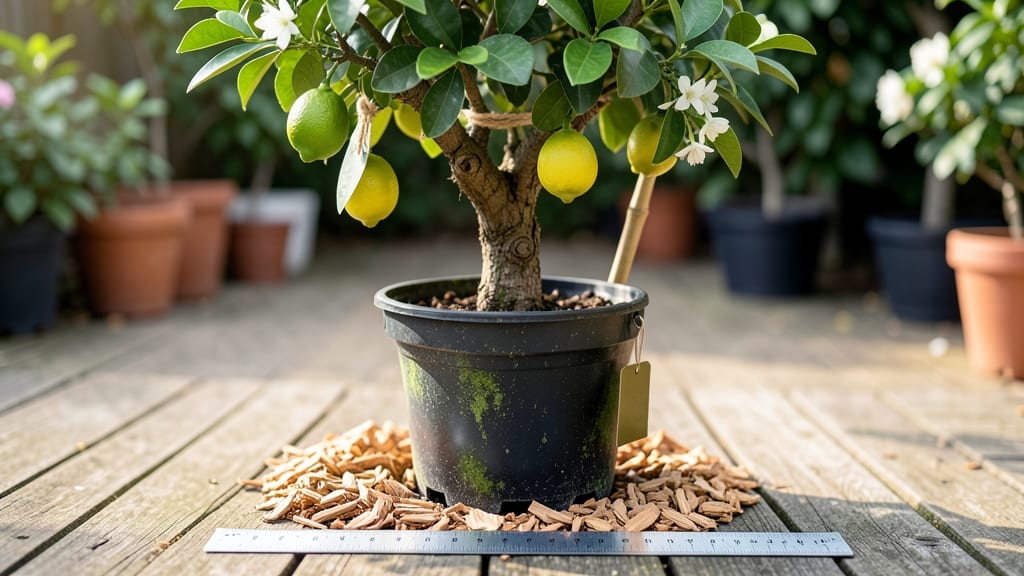
A 25-gallon tree size might sound small, but it can make or break your garden design—especially when some varieties stretch to 30 feet tall while others stay neatly contained.
If you're planning to plant a 25-gallon tree, knowing its mature size isn’t just about aesthetics—it determines whether your yard can accommodate it without future regrets. But here’s the catch: some varieties grow 30 feet tall while others stay compact, even from the same container size.
Choosing the right 🌳 for a 25-gallon pot means balancing height, spread, and long-term growth habits. A dwarf citrus might fit perfectly in your patio, while a standard fruit tree could outgrow its space in just a few years.
Below, I break down the best 25-gallon tree options by variety, how to predict their future size, and the three biggest mistakes that turn compact trees into space invaders.


25 Gallon tree size breakdown: height and spread ratios by popular varieties
A 25-gallon tree offers flexibility for small yards, patios, or containers—but its mature size varies wildly. Some citrus trees stay under 10 feet tall, while fruit trees like peaches can reach 20 feet.
Understanding these ratios helps you avoid overcrowding and future pruning nightmares. Let’s break down height vs. spread for 10 popular varieties and how to space them properly.
Most nurseries sell 25-gallon trees as 3-5 year olds, meaning they’ve already outgrown their first container. However, their growth rate and final dimensions depend on the species.
For example, a dwarf Meyer lemon might top out at 8 feet tall with a 6-foot spread, while a standard fig tree can hit 15 feet tall and 12 feet wide. Always check the nursery label for "mature size" estimates—but remember, these are guidelines, not guarantees.
Here’s the critical rule: Plant spacing should equal the tree’s mature spread (or slightly more). For example, a 10-foot spread tree needs at least 10 feet of clearance from structures, walkways, or other plants.
Ignore this, and you’ll face root competition, branch breakage, or even property line disputes. Below, we compare height-to-spread ratios for container-friendly trees, including citrus, fruit trees, and ornamental varieties.
| Variety | Mature Height (ft) | Mature Spread (ft) | Height:Spread Ratio | Spacing Needs | Notes |
|---|---|---|---|---|---|
| Dwarf Meyer Lemon | 8–10 | 6–8 | 1:0.8 | 10–12 ft from structures | Needs winter protection in zones <6a |
| Calamondin Orange | 6–8 | 5–6 | 1:0.75 | 8–10 ft spacing | Dwarf variety; great for containers |
| Semi-Dwarf Peach | 12–15 | 10–12 | 1:0.8 | 15–18 ft spacing | Needs cross-pollination for fruit |
| Dwarf Fig (e.g., 'Little Miss Figgy') | 10–12 | 8–10 | 1:0.8 | 10–12 ft spacing | Fast-growing; prune annually |
| Japanese Maple (Acer palmatum) | 10–15 | 8–12 | 1:0.7 | 12–15 ft spacing | Slow-growing; loves shade |
| Dwarf Olive Tree | 10–12 | 6–8 | 1:0.6 | 8–10 ft spacing |
How to estimate a 25-Gallon tree’s future size before plantingEstimating a 25-gallon tree’s mature size before planting saves you from costly mistakes. While container size gives clues, a tree’s genetic potential and root structure play bigger roles. I’ll show you how to read nursery tags, assess root flares, and interpret branch patterns to predict growth accurately—so you can plant with confidence. Start by checking the nursery label for mature height and spread estimates. For example, a 25-gallon Meyer lemon tree might list 10–15 feet tall but 8–10 feet wide—critical details for tight spaces. If labels are vague, use the root flare method to gauge growth potential by measuring the trunk’s width at soil level.
For evergreen trees like arborvitae or pine, multiply the container height by 2–3 to estimate mature height. Deciduous trees (e.g., maple or oak) often grow 3–5x their container height, but pruning can control this. Always plant 3–5 feet deeper than the container to encourage root expansion downward, not outward. Pro tip: Take a photo of the tree’s branch structure and root flare at purchase. Compare it to online growth charts for your specific variety—this visual record helps track progress and adjust care as it matures. Overestimating space is easier to fix with pruning; underestimating can mean relocating or removing a tree later. Remember, soil quality and watering habits also influence size. Amend planting holes with compost or organic matter to support healthy root growth, and water deeply 2–3 times weekly for the first year. With these methods, you’ll avoid the heartbreak of a 25-gallon tree outgrowing its welcome. |