
How To
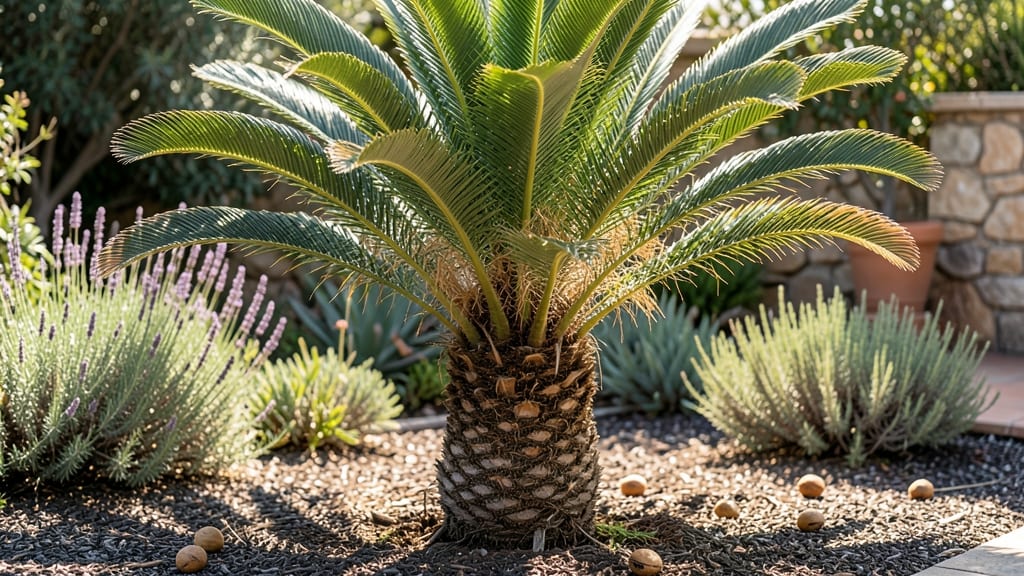
How tall does a palm tree grow? The answer ranges from waist-high dwarfs to towering skyscraper rivals 🌴 — and the difference between them comes down to species, climate, and care.
Picture this: a 6-foot-tall pygmy date palm in your front yard, or a 100-foot coconut palm casting shade over your entire property. The same plant can end up looking wildly different depending on where you live and how you nurture it.
In this guide, I’ll break down the exact height ranges for 15+ common palm species, how USDA zones shape their growth, and the 5 hidden factors that determine whether your palm stays small or shoots for the sky.
You’ll leave here knowing which varieties fit your space, how fast they grow, and—most importantly—how to control their size so you’re not left with a 20-foot tree where a 6-foot one would’ve been perfect.


Palm tree height ranges by species: from dwarf to skyscraper-tall
If you’ve ever wondered whether that 3-foot-tall palm seedling will become a 100-foot skyscraper, you’re not alone. Palm trees come in staggering height ranges, from waist-high dwarfs to towering giants that dominate landscapes.
The species you choose determines whether your palm will stay cozy in a container garden or require a 10-acre estate. Let’s break down the exact height ranges of 15+ popular palms, so you can plan your tropical oasis with precision.
Most home gardeners focus on mature height when selecting palms, but growth rates and climate adaptability also play critical roles.
For example, a coconut palm (Cocos nucifera) might grow 6 feet per year in tropical climates, while a pygmy date palm (Phoenix roebelenii) might only add 2 inches annually.
Understanding these differences helps you avoid planting a monster palm in your small backyard or missing out on fast-growing tropical statements.
Below, you’ll find a side-by-side comparison of palm heights, including dwarf varieties (perfect for patios), medium-height palms (ideal for mid-sized yards), and giant species (best left to coastal estates).
I’ve also highlighted the fastest-growing and slowest-growing palms to help you decide whether you want a quick tropical impact or a low-maintenance slowpoke.