
Diseases
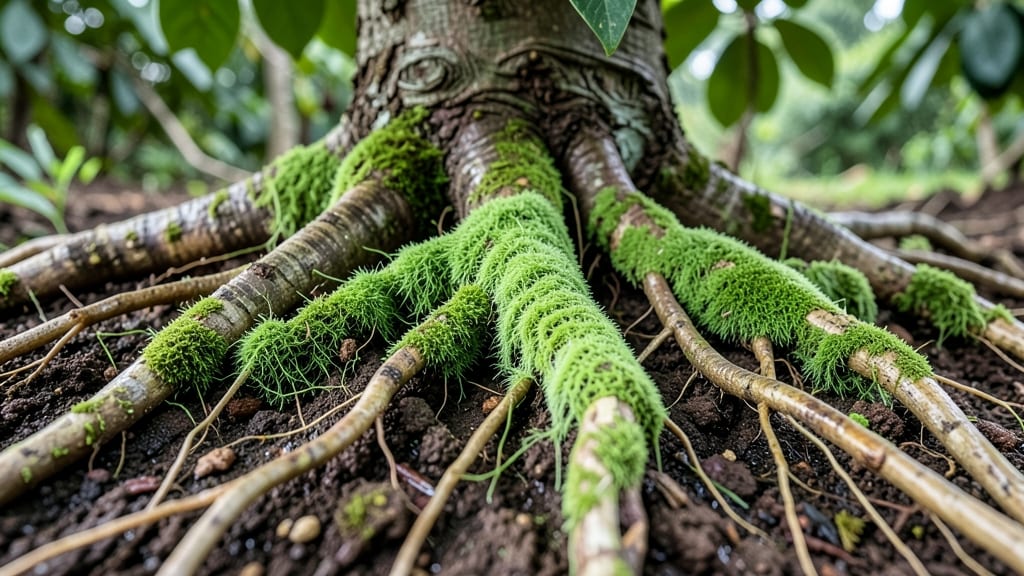
Avocado trees are prized for their fruit, but fungal diseases can devastate yields if left unchecked. This visual guide helps gardeners identify 10 common fungal threats through clear pictures and expert insights, ensuring early intervention and healthier trees.
Root Rot from Phytophthora Fungus
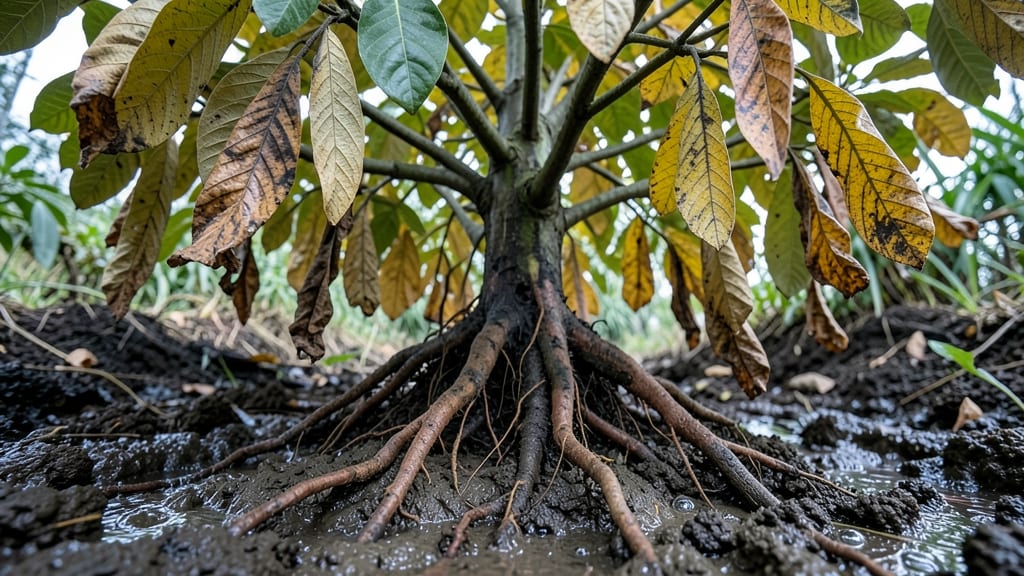
If your avocado tree’s leaves are suddenly yellowing despite regular watering, the culprit might be Phytophthora root rot, the most destructive fungal disease for these tropical trees. This aggressive pathogen thrives in waterlogged soil, turning healthy roots into mushy, brown messes while attacking the lower trunk—often before you notice any above-ground symptoms.
Look for white fungal growth on submerged roots or a foul, rotting smell when checking soil moisture. Unlike drought stress, root rot spreads rapidly in saturated conditions, especially after heavy rains or poor drainage. To prevent it, amend soil with organic matter to improve aeration and avoid overwatering—even in hot climates, avocado roots need oxygen to thrive.
This disease is particularly devastating in tropical climates where heavy rainfall is common, making it a top concern for home growers in Florida, Hawaii, or California’s coastal regions. Early detection through soil checks can save your tree—don’t wait for wilting leaves to act! 🌱
Powdery Mildew on Avocado Leaves
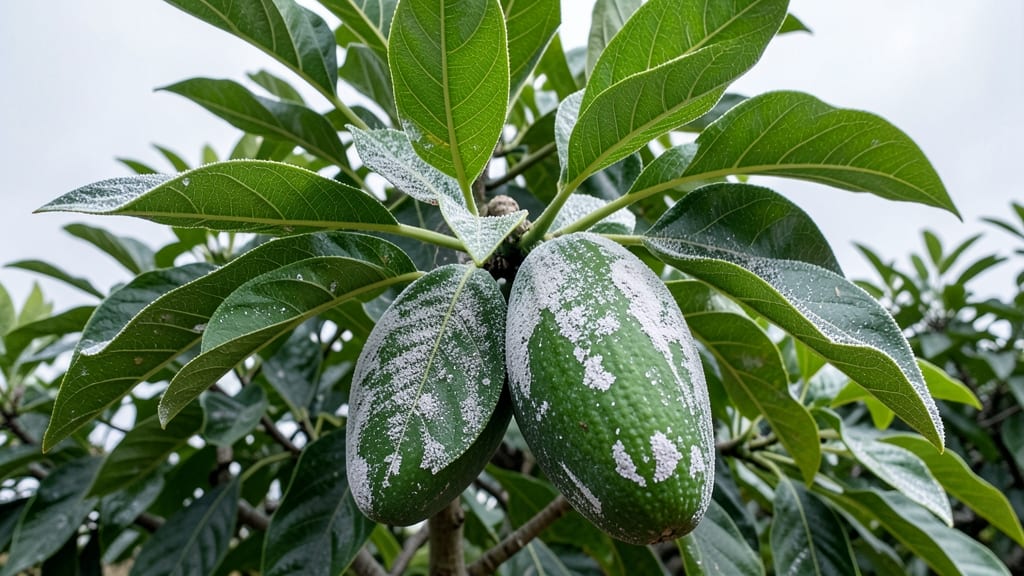
If your avocado tree suddenly develops fuzzy white patches on young leaves or fruit, you’re likely dealing with powdery mildew—a fungal foe that thrives in the damp, coastal climates where avocados love to grow. Unlike root rot, this disease attacks above ground, smothering leaves and reducing their ability to feed your tree.
Look for a white, powdery coating on the undersides of leaves or young fruit, especially in shaded or crowded areas. The fungus spreads quickly in humid conditions, so act fast: prune infected leaves, improve air circulation, and apply neem oil or sulfur-based sprays every 7–10 days. Resistant varieties like ‘Hass’ can tolerate milder outbreaks, but prevention is key for coastal gardeners.
This disease is particularly tricky because it weakens trees over time, making them vulnerable to other stresses. If you live near the coast or in a subtropical zone, proactive spraying during humid months can save your harvest. 🌿
Anthracnose Spots on Fruit
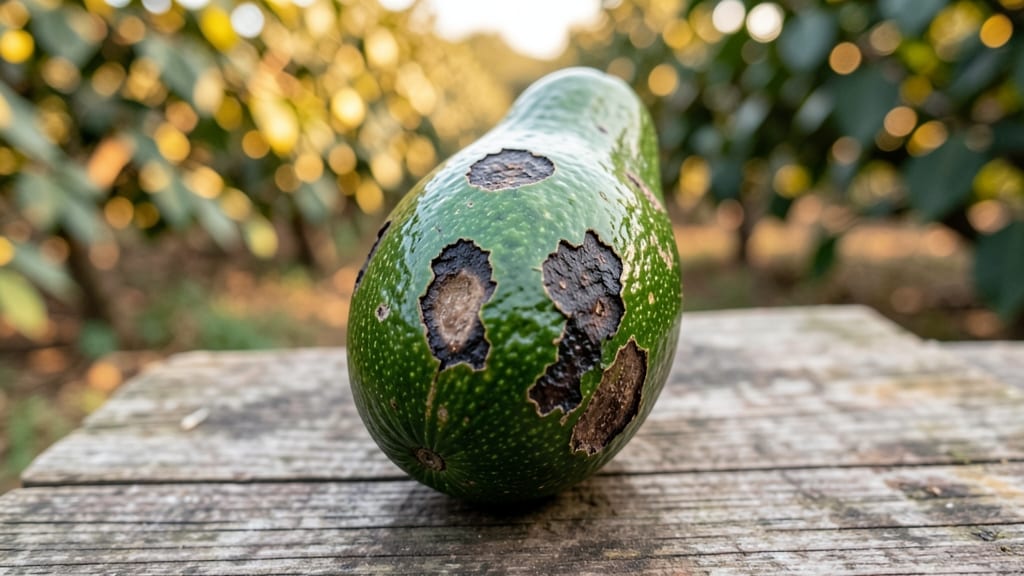
If your avocado fruit looks like it’s been attacked by a tiny, invisible sculptor—with sunken, dark lesions that ruin the skin—you’re likely dealing with anthracnose. This fungal disease thrives during the warm, wet months when fruit is maturing, turning what should be a marketable harvest into an unsellable mess.
The key to stopping anthracnose is early action. Prune infected fruit immediately to prevent spores from spreading, and avoid overhead watering during fruit development. Copper fungicides applied preventatively can also help, especially in regions with high humidity. For organic growers, baking soda sprays (1 tsp per quart of water) may reduce severity when used regularly.
This disease is particularly devastating for home growers selling fruit at markets, as even small lesions make produce unappealing. Stay vigilant during peak fruit-setting seasons to keep your harvest looking perfect. 🌟
Fusarium Wilt in Trunk
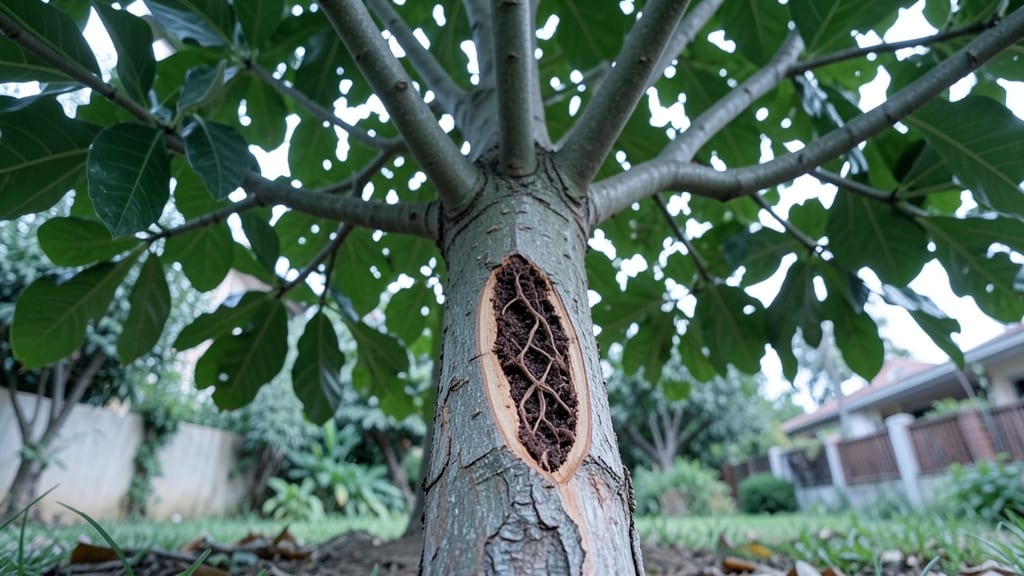
When your avocado tree suddenly wilts despite proper watering, Fusarium wilt might be the culprit—a sneaky vascular disease that blocks water flow inside the trunk. Unlike drought stress, this fungal infection spreads through the tree’s xylem vessels, turning them brown and restricting nutrient transport.
Look for uneven wilting starting in one branch, yellowing leaves that don’t recover after watering, and a cracked or discolored trunk when inspected up close. Since symptoms mimic drought, confirm by cutting a small section of the trunk—brown streaks in the wood are a telltale sign. Unfortunately, infected trees rarely recover, so removal and sterilizing tools between cuts is critical to prevent spread.
This disease thrives in warm, humid climates and contaminated soil, making it a hidden threat for home gardeners in subtropical regions. If you’ve ruled out pests or watering issues, Fusarium wilt could be silently sabotaging your tree’s health. 💡
Botrytis Blight on Flowers
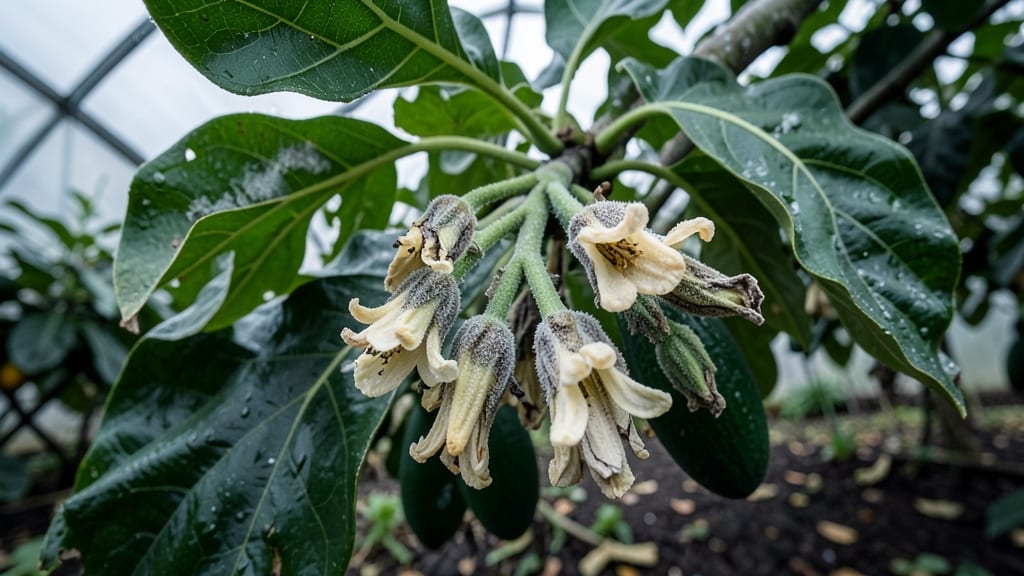
If your avocado tree’s blossoms are wilting or dropping prematurely, Botrytis blight could be the culprit. This sneaky fungus thrives in high-humidity environments like greenhouses or orchards, attacking delicate flowers and young fruit before they even mature.
Look for grayish-brown lesions on petals or soft, mushy spots on developing fruit—often accompanied by a fuzzy mold. Prune infected blossoms immediately and improve airflow by spacing plants properly. Copper fungicides or baking soda sprays (1 tsp per quart of water) can help prevent outbreaks during flowering.
This disease is especially harmful to commercial growers, but home gardeners in humid climates should also watch for it. Early action can save your harvest and keep your tree blooming abundantly next season. 🌻
Phoma Leaf Spot Disease
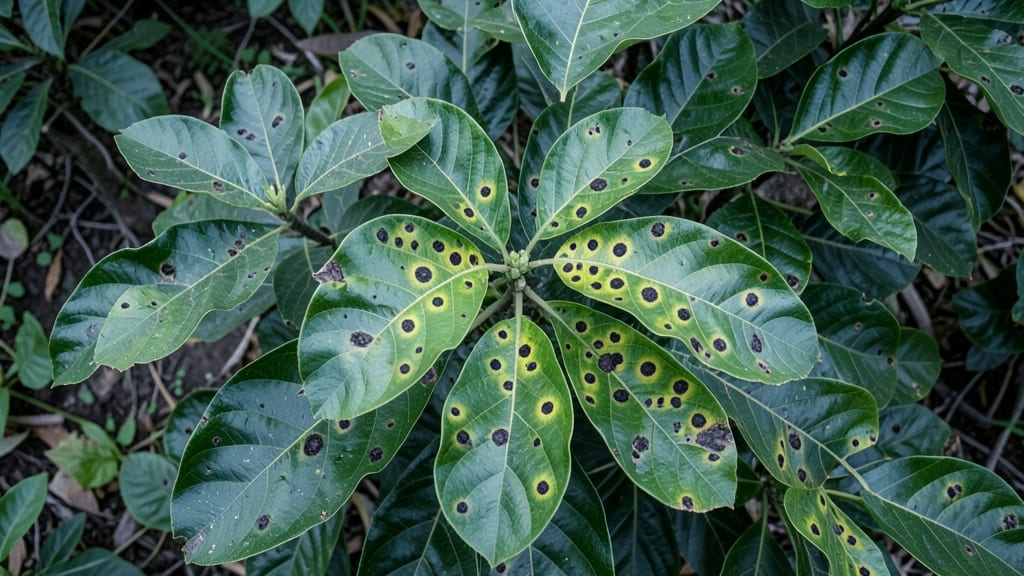
If your avocado tree’s leaves are developing circular black spots with yellow halos, you’re likely dealing with Phoma leaf spot disease—a fungal threat that thrives in subtropical climates with frequent rainfall. Unlike other leaf spots, this one spreads rapidly, defoliating trees if ignored, which can stress the plant and reduce fruit production.
This disease targets mature leaves first, creating 1-3mm black lesions that expand and merge over time. The key to control is early action: remove infected leaves immediately, prune for better airflow, and apply copper-based fungicides during wet seasons. Organic growers can use neem oil or baking soda sprays as preventive measures, but consistency is critical—spray every 7-10 days during rainy periods.
Gardeners in coastal or humid regions should monitor their trees closely after heavy rains, as this fungus spreads via water splashes. Catching it early means saving your tree’s canopy—and your harvest. 🌿
Cercospora Leaf Blight
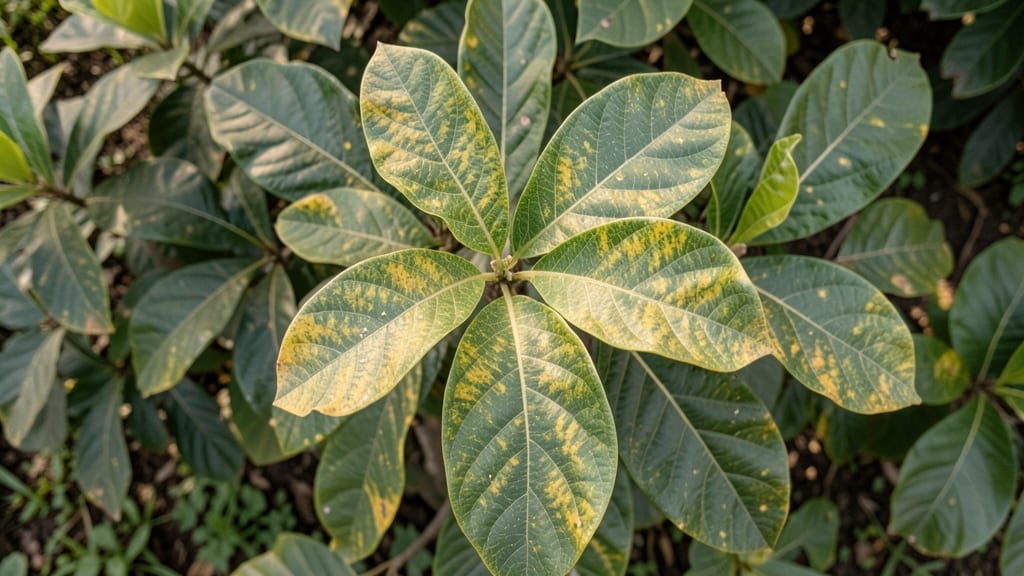
If your avocado tree’s leaves are turning yellow between the veins but tests show no nutrient deficiencies, Cercospora leaf blight might be the culprit. Unlike other fungal diseases, this one targets the leaf tissue between veins, causing interveinal chlorosis and premature leaf drop—often mimicking nitrogen or magnesium deficiencies.
This disease thrives in warm, humid conditions (ideal for coastal avocado growers) and spreads quickly when leaves stay wet for prolonged periods. Look for small, brownish spots that enlarge and merge, creating large, irregular patches. Prune infected leaves immediately and avoid overhead irrigation to reduce moisture on foliage.
Avocado growers in subtropical climates should monitor trees during spring and summer, when humidity peaks. Early detection is key—once leaves drop, the tree’s energy reserves deplete, weakening its ability to produce fruit. 🌱
Armillaria Root Disease
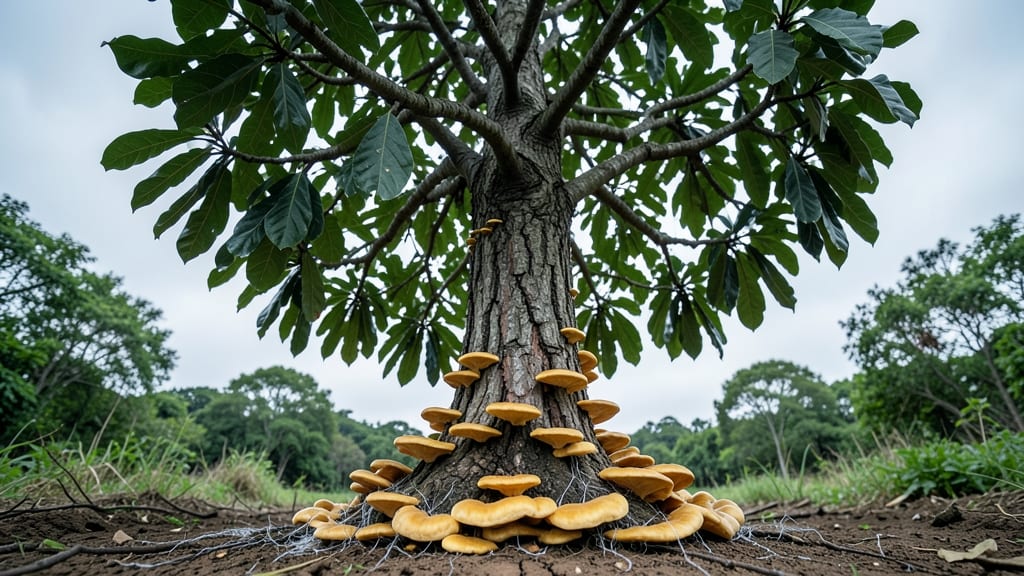
If your mature avocado tree suddenly wilts despite regular watering, check the base for honey-colored shelf fungi—a telltale sign of Armillaria root disease. This relentless pathogen spreads through underground root networks, starving trees by disrupting nutrient uptake and creating a "fairy ring" of decay at the soil line.
Unlike other fungal threats, Armillaria thrives in disturbed soils (like newly planted groves) and can persist for decades as dormant mycelium. Early symptoms include yellowing leaves, stunted growth, and bark lesions that ooze sap. The best defense? Remove infected trees immediately (including roots) and solarize the soil for 4-6 weeks to kill lingering spores.
This disease is especially devastating for commercial groves but can also threaten backyard trees. If you suspect infection, act fast—once established, Armillaria is nearly impossible to eradicate. 🌿
Alternaria Leaf Spot
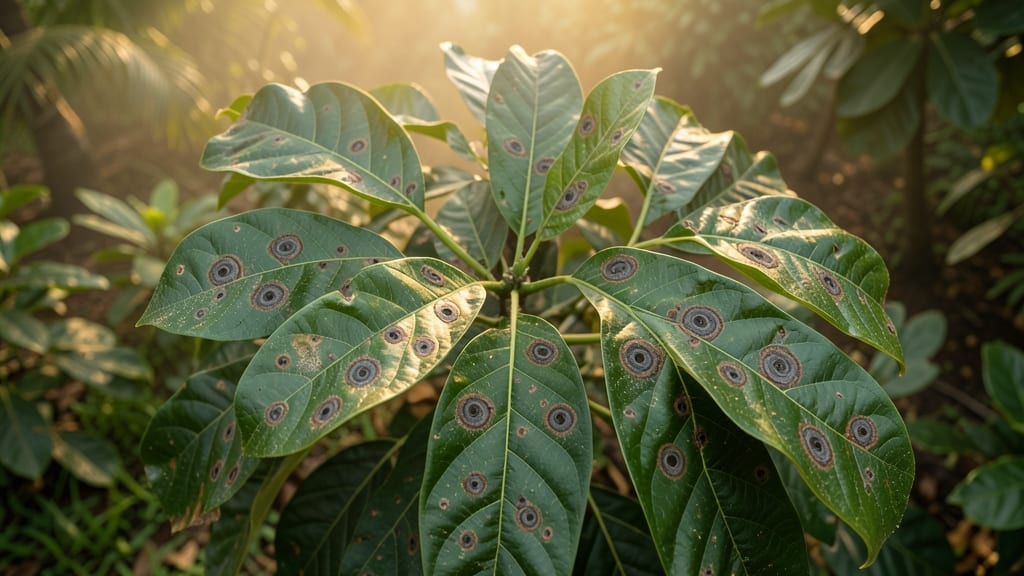
If your avocado tree’s leaves are developing dark, ringed spots that look like tiny bullseyes, you’re likely dealing with Alternaria leaf spot—a fungal foe that thrives in the warm, humid conditions of the growing season. Unlike other leaf spots, this disease specifically targets the leaf surface, creating concentric rings that disrupt photosynthesis and weaken your tree’s ability to produce energy.
To confirm the diagnosis, look for small, dark brown or black spots (about 1/8 inch wide) with lighter centers and defined rings. This fungus spreads rapidly in high humidity (above 75%) and temperatures between 75–85°F, making it especially problematic in coastal or tropical climates. Prune and remove infected leaves immediately, and avoid overhead watering to reduce moisture on foliage.
Home gardeners in subtropical zones should monitor their trees during peak growing months (spring to fall) and apply copper fungicides preventatively if conditions favor outbreaks. Early action can save your tree’s vigor—and your harvest. 💚
Trichoderma Green Mold

That bright green mold creeping across your avocado tree’s roots or soil isn’t a cause for panic—it might actually be a helpful ally. Trichoderma is a naturally occurring beneficial fungus that suppresses harmful pathogens, yet its striking green appearance often scares gardeners into overreacting.
This mold thrives in healthy, balanced soil and helps prevent root rot and other fungal infections by outcompeting harmful microbes. However, seeing it pop up could signal you’ve been overusing chemical fungicides or that your soil lacks organic matter. Instead of treating it, focus on improving soil health with compost and reducing synthetic inputs. 💚