
Planting
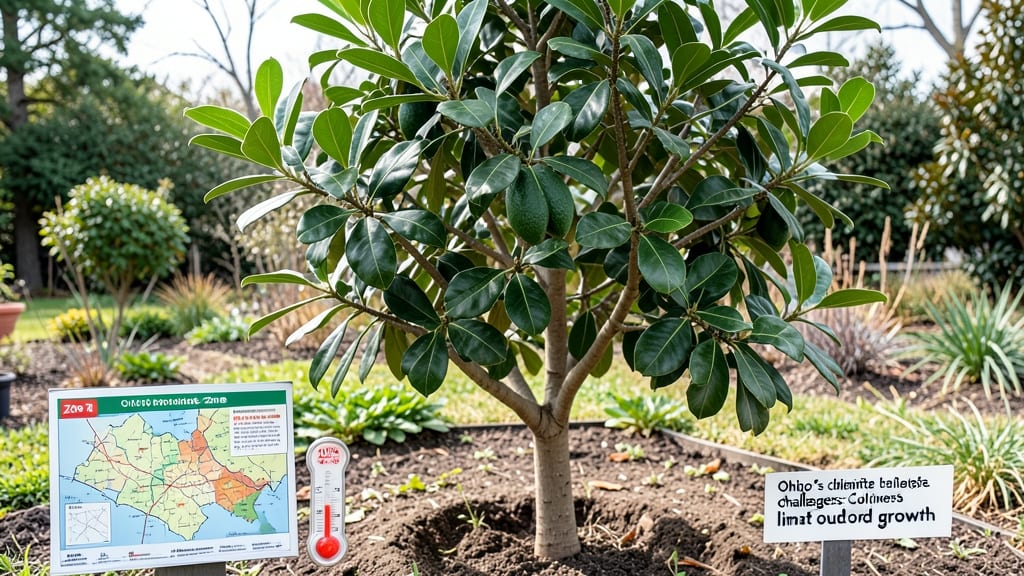
Avocado trees can grow in Ohio, but they require container cultivation or heated greenhouses because Ohio’s USDA zones (5-6) are colder than their ideal zones (9-11). Varieties like ‘Mexicola’ or ‘Wurtz’ tolerate brief 20°F exposure, yet outdoor planting remains high-risk without winter protection.
Ohio’s chilly winters make outdoor avocado growth nearly impossible, but container gardening offers a viable workaround. 🌱 The key is replicating tropical conditions—keeping soil temperatures above 55°F and providing 6+ hours of sunlight daily.
I’ve seen gardeners in Columbus successfully grow dwarf varieties indoors, though fruit production often requires artificial pollination. For outdoor attempts, winterizing with thick mulch or moving pots to unheated garages can extend the growing season.
Cold-hardy varieties like ‘Mexicola’ aren’t foolproof—they’ll still suffer leaf damage below 28°F, and fruit production plummets with prolonged exposure to freezing temps. That said, Ohio’s microclimates (like urban heat islands) can create pockets where container-grown trees might survive light frosts with proper insulation.
The trade-off? Slower growth and smaller yields compared to their tropical counterparts.
💡 In This Article
- USDA Zones and Avocado Tree Cold Tolerance Limits
- Growing Avocados in Ohio: Container Care and Indoor Alternatives
USDA zones and avocado tree cold tolerance limits
Avocado trees thrive in USDA zones 9-11, where winter temperatures rarely dip below 30°F. This range aligns with their native tropical climates, where consistent warmth prevents chilling injury—the cellular damage that occurs when temperatures drop below 50°F for extended periods.
Ohio’s zones 5-6, with winter lows often reaching 10°F or lower, create a stark contrast. The critical threshold for avocado trees is 28°F: below this, leaves blacken and die back, while fruit production halts entirely.
Cold stress manifests in two ways: acute frost damage and chronic chilling. Acute damage happens when temperatures plummet suddenly, causing ice crystals to form in leaf tissues and disrupting water transport. Chronic chilling occurs during prolonged exposure to 32-40°F temps, where the tree’s metabolic processes slow dramatically.
In Ohio, even brief 20°F nights can kill young trees outright, while mature specimens may survive with protective measures. The ‘Mexicola’ variety’s tolerance to 20°F is relative—it might survive a single frost but will suffer long-term decline without consistent warmth.
Ohio’s climate presents another hurdle: short frost-free seasons. Most avocado varieties need 210-270 frost-free days annually to mature fruit, but Ohio’s range from 150-200 days (depending on location) means fruit production is nearly impossible outdoors.
Even in containers, trees struggle to develop fruit unless moved to a heated environment during winter. The trade-off? Trees can grow leaves and branches, but without proper dormancy conditions, they’ll enter a state of stress that weakens their structure over time.
What most gardeners don’t realize is how cold affects root systems. Avocado roots are particularly sensitive to temperatures below 55°F, which is why container-grown trees in Ohio need insulated pots and heated mats during winter.
Roots exposed to cold soil can’t absorb water efficiently, leading to wilting even if the air temperature is mild. This is why indoor cultivation—where soil temps stay above 60°F—is the only reliable option for Ohio growers.
Consider these key factors when evaluating cold tolerance:
- Leaf damage threshold: 28°F (irreversible injury)
- Fruit production halt: Below 50°F for 2+ weeks
- Root stress zone: Below 55°F (water uptake failure)
- Ohio’s winter lows: Often 10-20°F (lethal for most varieties)
The science behind this involves avocado trees’ inability to produce protective antifreeze proteins, unlike temperate fruit trees.
Their native adaptation to warm climates means they lack the genetic tools to survive freezing conditions. 🌡️ Without human intervention—like containers, greenhouses, or grow lights—Ohio’s climate will inevitably stress or kill avocado trees over time.