
Container Gardens
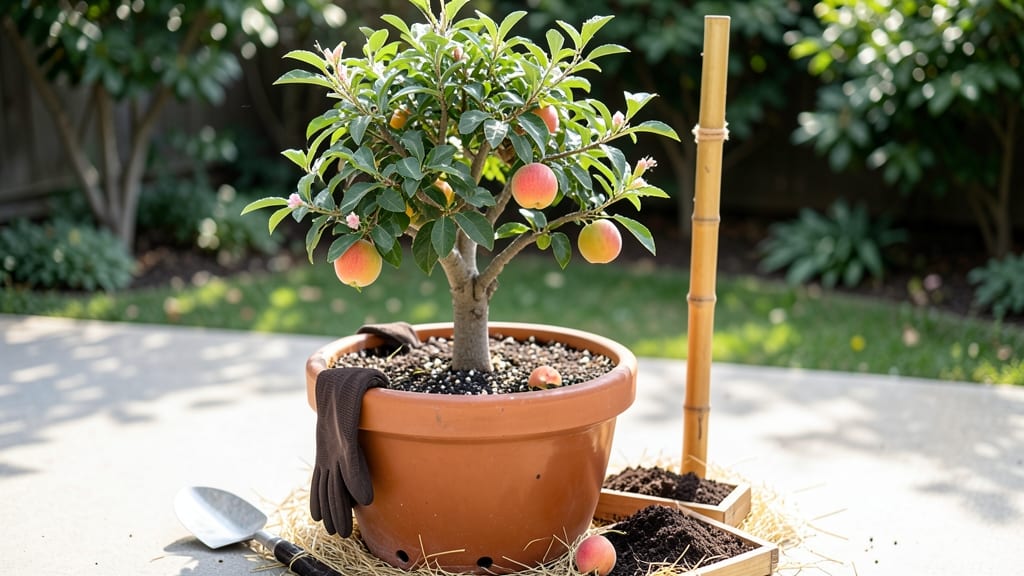
Growing fruit tree container gardening turns your balcony into a mini orchard. 🌱 I've grown dwarf apple, peach, and fig trees in pots for years—now I'm sharing the exact setup that produces real fruit in small spaces.
The key is choosing dwarf varieties (like 'Columnar' apples or 'Bonanza' peaches) that stay small but still bear heavy crops. You'll need 5-gallon minimum containers for most trees, with drainage holes and a sturdy trellis for support.
Soil must drain well but hold moisture—think 60% organic mix with perlite or sand.
By summer's end, you'll be harvesting pint-sized peaches or tart little apples that taste better than anything from the store. The trees stay compact, the roots stay happy, and you avoid the mess of in-ground planting.
Works for urban balconies, patios, or even sunny windowsills with grow lights. Let's get those trees fruiting!
📚 In This Guide
- What you need
- Instructions
- Tips and common mistakes
- Wrapping up and next steps
What you need
- ● Containers: 5-gallon or larger pots (1 per tree; minimum 18" diameter for dwarf varieties). Pro tip: 💡 Drill drainage holes if they’re not pre-made!
- ● High-quality potting mix: 1 bag (look for "well-draining" or "container mix"; avoid garden soil).
- ● Dwarf fruit tree: 1 sapling (citrus, apple, peach, or fig—choose a self-pollinating or compatible pair for best results).
- ● Slow-release fertilizer: 1 packet (or organic options like composted manure).
- ● Mulch: 1 bag (wood chips or straw to retain moisture).
- ● Trowel or small shovel (for planting).
- ● Watering can with a long spout (or a hose with a gentle nozzle).
- ● Pruning shears (sterilized; for shaping and harvesting).
- ○ Support stake or trellis (optional, for heavier trees like apples).
- ○ Container saucers or trays (optional, to catch runoff and prevent messes).
- ○ Sunlight tracker or grow lights (optional, for low-light balconies).
- ● Sunlight: At least 6–8 hours of direct sun daily (south- or west-facing balconies are ideal).
- ● Space: Ensure containers are 12–24" apart for airflow (prevents disease).
- ● Climate check: Verify your tree’s hardiness zone compatibility (e.g., citrus thrives in zones 9–11).
- ● Patience: Dwarf trees take 2–5 years to bear fruit—plan ahead! ✨
Step-by-step instructions for growing fruit trees in containers
Here's how to transform your balcony into a productive mini-orchard with dwarf varieties.
🪴 Step 1: Select the Right Containers and Drainage System
Choose containers that are at least 18-24 inches deep—shallower pots stunt root growth and limit fruit production. I prefer fabric grow bags because they allow excess water to evaporate through the walls while still providing excellent drainage. Each container must have at least four drainage holes spaced evenly around the bottom.
For the 4 trees we're growing, use containers with a diameter of 12-15 inches at the top. Line the bottom with 2-3 inches of gravel or expanded clay pebbles to create a reservoir for water while preventing root rot. This layer ensures roots stay aerated and never sit in stagnant water.
🌱 Step 2: Prepare the Soil Mix for Optimal Growth
Fill each container with a custom mix of 60% high-quality potting soil, 20% compost, and 20% perlite or coarse sand. This blend prevents compaction while providing excellent drainage and nutrient retention. I like to add a handful of slow-release fertilizer (10-10-10 ratio) to each container to give the trees a nutrient boost as they establish.
Moisten the mix thoroughly before planting—it should feel like a damp sponge, not dripping wet. Press the soil down gently to remove air pockets, but don't compact it. The goal is a loose, crumbly texture that encourages root penetration. Leave about 2 inches of space at the top of the container for watering.
☀️ Step 3: Plant Dwarf Varieties at the Correct Depth
Dig a hole in the center of each container that's just wide enough to accommodate the tree's root ball. Position the tree so the graft union (the bump where the scion was attached) sits 1-2 inches above the soil line. This prevents the graft from being buried, which can cause the tree to revert to its rootstock and produce unwanted fruit.
Backfill the hole with soil, pressing gently to eliminate air pockets. Water deeply until moisture runs out the drainage holes. For the first 7-10 days, keep the soil consistently moist—don't let it dry out completely. You'll see new growth within a few weeks, signaling the tree has successfully established itself.
💧 Step 4: Establish a Watering and Fertilizing Routine
Water each tree when the top 2 inches of soil feel dry to the touch. In summer, this may mean watering every 2-3 days, while winter care might only require weekly watering. I use a drip irrigation system or watering can with a narrow spout to deliver moisture directly to the root zone without wetting the leaves, which helps prevent fungal diseases.
Fertilize every 4-6 weeks during the growing season with a balanced, water-soluble fertilizer. Reduce feeding in late summer to allow the tree to prepare for dormancy. Prune in late winter or early spring to remove dead or crossing branches, and thin out some of the fruit to ensure the remaining ones grow larger and healthier.
✂️ Step 5: Protect and Maintain Through the Seasons
Move containers to a sheltered location during winter if temperatures drop below 20°F. Wrap the container in burlap or frost cloth to protect the roots from freezing. In spring, uncover the tree gradually to avoid shocking it with sudden warmth. You'll know it's ready for full sun exposure when new leaves begin to emerge.
Monitor for pests like aphids or spider mites, which thrive in container environments. Spray leaves with a neem oil solution at the first sign of infestation. With proper care, your container-grown fruit trees can produce harvests for 10-15 years, making them a rewarding investment for small spaces.
Tips & tricks for perfect fruit tree container gardening
Here's what nobody tells you about thriving container-grown fruit trees that actually bear fruit.
Container Selection: Fabric grow bags might be my go-to, but plastic containers with drainage holes work too—just avoid terracotta, which dries out too quickly. For the 18-24 inch depth requirement, I've found that deeper containers (24 inches) produce slightly larger fruit, but only if you're growing varieties that tolerate root restriction like dwarf apple or peach trees. The key is balancing depth with your balcony space—some varieties like citrus need shallower containers but require more frequent watering.
Soil Mix Secrets: That 60-20-20 soil blend is non-negotiable, but here's the pro move: sterilize your potting soil first by baking it in the oven at 200°F for 30 minutes to kill any pathogens. I also add a handful of worm castings to the compost portion—it boosts microbial activity that helps roots absorb nutrients more efficiently. And don't skip the perlite; it's what prevents that dreaded compacted soil that chokes roots.
Graft Union Protection: Keeping that graft union 1-2 inches above soil line is critical, but what's even more important is checking it after every watering. Over time, soil can settle and bury it. If you notice the graft getting buried, gently scrape away soil to expose it again. This simple check prevents your tree from reverting to its rootstock, which would ruin all your fruiting efforts. Think of it as the single most important maintenance task for container-grown fruit trees.
Winter Survival Strategy: When temperatures drop below 20°F, don't just move your containers to shelter—wrap them like a burrito. I use thick burlap wrapped tightly around the container and secure it with twine, then place it against a south-facing wall where it gets reflected sunlight. This double protection (location + wrapping) has saved my trees through winters that would otherwise have been lethal. And remember, uncover gradually in spring—sudden warmth shocks trees just as much as cold does.
Pro Tips for Fruit Tree Container Gardening
- Here's what nobody tells you about thriving container-grown fruit trees that actually bear fruit.
- Container Selection: Fabric grow bags might be my go-to, but plastic containers with drainage holes work too—just avoid terracotta, which dries out too quickly.
- Soil Mix Secrets: That 60-20-20 soil blend is non-negotiable, but here's the pro move: sterilize your potting soil first by baking it in the oven at 200°F for 30 minutes to kill any pathogens.
Frequently asked questions
Got questions about growing fruit trees in containers? You’re not alone—let’s tackle the most common ones to help you grow a thriving balcony orchard with confidence!
What’s the best type of fruit tree for beginners in containers?
Start with dwarf varieties like apple, peach, lemon, or fig trees—they’re compact, low-maintenance, and perfect for small spaces. Citrus trees (like Meyer lemons) thrive indoors near sunny windows, while stone fruits (peaches/nectarines) need a bit more outdoor warmth. Avoid large trees like full-size apples or avocados—they’ll outgrow containers quickly!
When is the best time to plant a fruit tree in a container?
Spring is ideal—plant after the last frost when soil warms up (around 60°F/15°C). For citrus or tropical trees, late spring/early summer works too. If repotting, do it in early spring or after harvest. Pro tip: Avoid transplanting during extreme heat or cold—roots need time to settle!
How often should I water my container-grown fruit tree?
Containers dry out faster! Water deeply when the top 1–2 inches of soil feel dry (usually every 2–3 days in summer, less in winter). Citrus trees love consistent moisture, while stone fruits prefer slightly drier soil. Watch for: Wilting leaves (underwatering) or yellowing (overwatering). Drainage holes are a must—no soggy roots!
Can I grow multiple fruit trees in one container?
Not recommended! Each tree needs its own space to avoid competition for nutrients/water. If you’re set on variety, choose dwarf citrus trees (like a lemon + lime combo) in a large, wide container (20+ gallons). For pollination, plant two compatible trees (e.g., two apple varieties) in separate containers nearby. Space them 3–4 feet apart for airflow.
What should I do if my container fruit tree gets pests?
Start with prevention: Inspect leaves regularly for aphids, spider mites, or scale. Spray with neem oil or insecticidal soap for mild infestations. For soil pests (like fungus gnats), add a thin layer of sand or diatomaceous earth. Isolate affected plants and avoid overwatering—pests love damp conditions!
How do I protect my container fruit tree in winter?
Move tender trees (citrus, peaches) indoors near a sunny window or wrap containers in bubble wrap for insulation. Hardy trees (dwarf apples) can stay outside if wrapped in frost cloth. Reduce watering in winter—containers dry out slower when temps drop. Pro tip: Mulch the soil surface with straw to retain warmth!
Wrapping up and next steps
Container gardening turns even the smallest balcony into a thriving fruit tree orchard—no yard required! 🌱 With the right variety, soil, and care, you can enjoy fresh, homegrown fruit while maximizing limited space.
Whether you’re a beginner or a seasoned green thumb, the key is patience, consistency, and a dash of creativity.
Ready to take the next step? Start with one dwarf fruit tree this season, experiment with companion plants, and watch your balcony bloom into a bountiful harvest. Your future self—and your taste buds—will thank you!