
Pruning
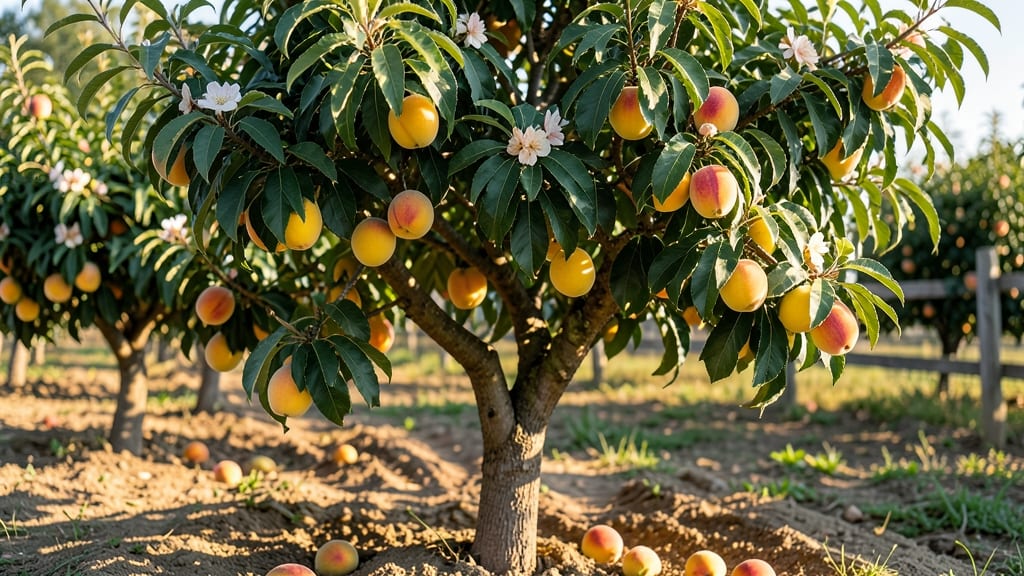
The Elberta peach tree delivers 50+ pounds of fruit per mature tree when cared for right—but its pros and cons make it a high-maintenance reward. 🌱 I planted mine five years ago after reading rave reviews about its juicy, freestone fruit, only to learn the hard way that its susceptibility to brown rot and peach leaf curl requires vigilance.
The pros are hard to ignore: Elberta’s sweet, golden flesh and rich flavor make it a backyard favorite, especially in zones 5-9 where it thrives. But those same qualities come with trade-offs—its dense canopy needs annual pruning to prevent overcrowding, and its thin skin bruises easily during harvest.
The tree also demands well-drained soil and full sun, or it’ll struggle with fungal issues.
What you’ll get is a reliable harvest if you stay on top of spraying (copper fungicide helps), watering (deep but infrequent), and winter protection (burlap wraps in cold zones).
The fruit ripens in late July to August, giving you a head start on summer snacks—but only if you’re ready to put in the work.
For gardeners willing to trade effort for flavor, Elberta’s worth it. If you’re new to fruit trees or short on time, consider a lower-maintenance variety like Reliance, which offers similar taste with better disease resistance. Here’s how to keep yours thriving!
The first product explained
Meet the Elberta peach tree—a classic, crowd-pleasing choice for home gardeners and orchard enthusiasts alike! 🍑🌳 Known for its sweet, juicy fruit and reliable productivity, this cultivar has earned its spot as a favorite in backyards across the U.S. But before you plant, let’s break down what makes the Elberta stand out (and where it might fall short).
🌱 Key Specifications & Features
The Elberta peach tree is a climacteric variety (meaning its fruit ripens after harvest) with these standout traits:
- Maturity: Reaches full fruit production in 3–5 years from planting.
- Size: Typically grows 15–20 feet tall with a spread of 15–25 feet—ideal for spacious yards or orchards.
- Hardiness: Thrives in USDA Zones 5–9, handling cold winters but needing protection in extreme heat.
- Fruit Profile:
- Medium to large peaches (2.5–3.5 inches in diameter).
- Sweet, slightly tart flavor with yellow-orange skin and a freestone pit (easy to remove).
- Harvest season: Late July–early August (varies by region).
- Pollination: Self-pollinating but benefits from cross-pollination for better yields.
- Disease Resistance:
- Moderate resistance to bacterial spot and brown rot (common peach pests).
- Susceptible to peach leaf curl and aphids—regular monitoring is key!
👨🌾 Who’s It For?
The Elberta is a versatile pick for:
- 🍽️ Home gardeners who love fresh, flavorful peaches for eating, canning, or baking.
- 🏡 Suburban homesteaders with space for a mature tree (or willing to prune aggressively).
- 🌿 Small-scale farmers targeting late-summer markets or U-pick operations.
- 🌡️ Warmer climates (Zones 7–9) where it thrives with minimal winter care.
💰 Price Point & Availability
Pricing varies by supplier, but here’s a general range for bare-root or container-grown saplings (as of 2024):
| Type | Price Range | Where to Buy |
|---|---|---|
| Bare-root (dormant season) | $30–$60 | Local nurseries, Arbor Day Foundation, Fast-Growing-Trees.com |
| Container-grown (year-round) | $50–$100+ | Home Depot, Lowe’s, specialty orchards |
| Grafted trees (for disease resistance) | $70–$120 | Online orchards (e.g., Richardson’s Orchard) |
Pro tip: 💡 Buy from reputable sellers to avoid diseased stock—look for healthy foliage and no cracks in the bark!
The second product explained
If you're looking for a low-maintenance yet high-reward peach tree that balances productivity with resilience, the Redhaven Peach Tree is a fantastic alternative to the Elberta. Known for its exceptional disease resistance and sweet, juicy fruit, this variety is a favorite among home gardeners and small-scale orchard owners alike.
Let’s break down what makes it stand out!
🌱 Key Specs & Features
- Maturity: Typically bears fruit in 3–5 years after planting.
- Size: Grows to 12–16 feet tall, making it ideal for medium-sized yards or container growing with proper support.
- Fruit Characteristics:
- Large, deep red-orange peaches with yellow flesh.
- Sweet, freestone variety (easy to pit!).
- Harvest season: Late July to early August.
- Disease Resistance: Moderately resistant to brown rot and peach leaf curl, though consistent pruning and care are still essential.
- Pollination: Self-pollinating but benefits from cross-pollination for higher yields.
🎯 Target Users
The Redhaven is perfect for:
- 🌿 Home gardeners seeking a reliable, productive tree with minimal fuss.
- 🏡 Urban or suburban growers with space constraints (dwarf varieties available!).
- 🍑 Peach enthusiasts who love sweet, flavorful fruit for fresh eating, canning, or selling at farmers' markets.
- 🌡️ Warmer climates (USDA Zones 5–9), though it tolerates cooler zones better than some varieties.
💰 Price Point & Value
Pricing varies based on size and source, but you can expect to invest:
- Bare-root saplings: $30–$60 (best for spring planting).
- Container-grown trees: $50–$100 (ready to plant year-round).
- Dwarf varieties: $40–$80 (ideal for small spaces).
While the upfront cost is slightly higher than some other peach varieties, the long-term payoff—in both fruit production and low-maintenance care—makes it a smart investment for serious growers.
💡 Pro Tip
For optimal yields, pair your Redhaven with another peach tree like the Crimson Snow or Elberta to encourage cross-pollination. Plus, thin the fruit in early summer to ensure larger, sweeter peaches! 🍑✨
Head-to-head comparison
🌳 Performance: Productivity & Flavor
The Elberta peach tree is a standout performer when it comes to fruit production, but it’s not without trade-offs. Here’s how it stacks up against other peach varieties like the Redhaven or Sanguine:
| Metric | Elberta Peach Tree | Redhaven | Sanguine |
|---|---|---|---|
| Fruit Yield | 🍑 High (consistent, heavy producer after 3-5 years) | 🍑 Moderate to High (slower to mature, but steady) | 🍑 Moderate (lighter yield, but reliable) |
| Flavor & Texture | 😋 Classic, balanced sweet-tart (juicy, slightly fibrous) | 😋 Sweet with slight tang (firmer, less juicy) | 😋 Very sweet, soft (melts in mouth, less tart) |
| Ripening Time | ⏳ Mid to late summer (July–August, depending on climate) | ⏳ Mid-summer (June–July, earlier than Elberta) | ⏳ Early to mid-summer (June, faster to harvest) |
| Climate Adaptability | ❄️🌞 Moderate cold hardiness (USDA Zones 5–9, but susceptible to late frosts) | ❄️🌞 Cold-hardy (Zones 5–8, better for northern growers) | 🌞 Heat-loving (Zones 6–10, struggles in cold snaps) |
Verdict: If you prioritize volume and classic flavor, Elberta wins—but it demands careful frost protection and may not thrive in extreme heat. For earlier harvests, Redhaven or Sanguine could be better fits.
🌿 Features: Disease Resistance & Growth Habits
The Elberta peach tree’s disease resistance is a double-edged sword. While it handles some common peach pests better than others, its pruning demands and susceptibility to certain diseases require extra attention. Here’s how it compares:
| Feature | Elberta Peach Tree | Redhaven | Sanguine |
|---|---|---|---|
| Disease Resistance | 🛡️ Moderate
|
🛡️ Low
|
🛡️ High
|
| Pruning Needs | ✂️ High
|
✂️ Moderate
|
✂️ Low
|
| Tree Size & Shape | 🌳 Medium (12–15 ft tall, 10–12 ft wide) | 🌳 Large (15–20 ft tall, 12–15 ft wide) | 🌳 Compact (10–12 ft tall, 8–10 ft wide) |
| Pollination Needs | 🐝 Self-pollinating (but benefits from cross-pollination) | 🐝 Self-pollinating | 🐝 Self-pollinating |
Verdict: Elberta’s moderate disease resistance is a pro for some pests but a con for others. If you’re willing to invest in pruning and preventive care, it’s a solid choice. For low-maintenance growers, Sanguine’s disease resistance might be a better match.
💰 Price & Maintenance Costs
Upfront costs and long-term upkeep vary widely. Here’s how Elberta compares to other peach trees in terms of initial investment and ongoing expenses:
| Cost Factor | Elberta Peach Tree | Redhaven | Sanguine |
|---|---|---|---|
| Initial Purchase Price (Bare Root) | $40–$80 | $35–$70 | $50–$90 |
| Container-Grown Price | $80–$150 | $70–$130 | $90–$160 |
Annual Maintenance Costs
Which one should you choose?So, you’ve weighed the sweet rewards of the Elberta peach tree against its pruning demands and disease risks—now what? The answer depends on your goals, patience, and gardening style. Here’s a clear verdict to help you decide if this peach powerhouse is right for you. 🌳 Best for:
⚠️ Skip if:
💡 Pro Tip for Decision-Makers:If you’re on the fence, try a single Elberta tree as a test run! Plant it in a well-drained spot with full sun, and pair it with a companion plant (like basil or marigolds) to deter pests. Monitor its growth and disease resistance for a season before committing to multiple trees. Final Verdict: The Elberta peach tree is a top-tier choice for serious fruit growers who prioritize flavor and yield over ease of care. But if you’re new to peach trees or short on time, explore dwarf varieties or disease-resistant hybrids first. 🌱🍑 |