
Leaf Blower
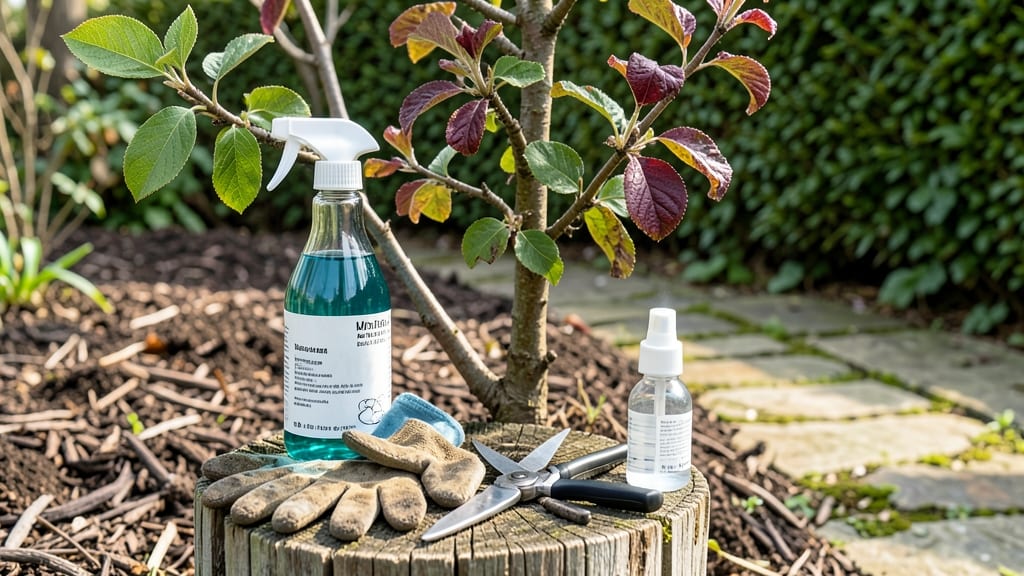
When your apple tree’s leaves pucker into curled, brown messes by spring, you’re staring down apple scab—the fungal villain behind the apple tree leaf curl treatment. 🌿 I’ve seen this ugly transformation ruin entire harvests, but copper spray isn’t just a quick fix—it’s the secret weapon that stops the fungus in its tracks before it spreads.
The problem starts when spores splash onto leaves during wet springs, germinating into the telltale curled, scabby patches. Most gardeners panic and prune too late, but the real fix is preventive copper sprays applied at bud swell and pink bud stage—two critical windows that break the fungus’s cycle.
I’ve saved trees with just three sprays a season, and the key is timing over brute force.
You’ll see fresh, unfurled leaves by summer, with fruit developing clean and disease-free. The copper builds up in the tree’s tissues, creating a natural shield that outlasts the spores.
Prune infected branches after harvest to clean up last year’s mess, but never rely on pruning alone—it’s too little, too late for serious cases.
Works for home orchards, backyard trees, and even container-grown apples. The spray is safe once dry, but wear gloves—copper’s no joke on bare skin. Let’s get those trees fighting back before next spring’s spores arrive.
Root Causes Of Leaf Curl
Leaf curl in apple trees is rarely a single culprit—it’s usually a mix of environmental stress, fungal infections, or pest damage. Understanding the why behind the symptoms is key to stopping it before it spreads. Below, we break down the most common triggers with clear science-backed explanations.
Fungal pathogens like Venturia inaequalis (the apple scab fungus) and Taphrina deformans (the leaf curl fungus) are the #1 cause of leaf curl. Here’s how they hijack your tree:
- Spores Love Moisture 🌧️ Fungal spores thrive in damp conditions, especially during spring rains. When spores land on young leaves, they germinate and penetrate the leaf tissue, causing it to thicken, pucker, and curl. Venturia inaequalis also triggers dark, velvety spots—classic apple scab symptoms.
- Weakened Tree Defense Trees under stress (nutrient-deficient, drought-stressed, or overpruned) can’t fight off fungal attacks as effectively. Fungal hyphae (thread-like structures) grow between leaf cells, disrupting normal growth patterns.
- Overwintering Spores Many fungi survive winter in fallen leaves, buds, or bark. When spring arrives, they release new spores, starting the cycle anew. Pro tip: 💡 Rake and remove infected leaves in fall to starve the fungus!
Not all leaf curl is fungal—sometimes, it’s your tree’s way of screaming for help due to environmental factors:
- Temperature Swings ❄️☀️ Sudden shifts between freezing nights and warm days can confuse a tree’s growth signals. Young leaves may curl as they struggle to adapt, a condition called physiological leaf curl. This is common in late winter/early spring.
- Water Stress 💦🚫 - Overwatering: Soggy soil suffocates roots, leading to poor nutrient uptake.
Curling leaves signal the tree is drowning. - Drought: When roots can’t absorb enough water, leaves curl inward to reduce water loss (a survival tactic). Actionable fix: 🌡️ Check soil moisture—it should feel like a damp sponge, not mud or sand.
- Wind or Hail Damage 🌪️⚡ Physical trauma from storms can cause leaves to curl or distort. Unlike fungal curl, these leaves often have visible tears or bruising.
Insects like mites, aphids, and leafhoppers don’t just nibble—they inject toxins or suck sap, triggering leaf curl as a stress response:
- Spider Mites 🕷️ These microscopic pests pierce leaf cells to feed, causing curling, yellowing, and stippling (tiny white dots). Heavy infestations can stunt growth.
- Aphids 🐜 Clusters of aphids excrete honeydew, which fosters sooty mold—a black fungal growth that further stresses the tree. Curling leaves often have sticky residue.
- Scale Insects 🐌 These armored pests attach to branches and leaves, sucking sap. Their feeding disrupts nutrient flow, leading to curled, brittle leaves.
If your apple tree isn’t getting the right nutrients, its leaves will show it—often through curling:
| Deficiency | Symptoms | Quick Fix |
|---|---|---|
| Nitrogen (N) | Pale yellow leaves, slow growth | Apply balanced fertilizer (10-10-10) |
| Potassium (K) | Scorched leaf edges, weak stems | Use wood ash or potassium sulfate |
| Magnesium (Mg) | Interveinal yellowing (between veins) | Epsom salt spray (1 tbsp/gallon water) |
| Iron (Fe) | Yellowing between veins (chlorosis) | Chelated iron spray or compost tea |
Pro tip: 🔥 Test your soil every 2–3 years! Many curl issues stem from imbalances only a soil test reveals.
Herbicides, pesticides, or even well-meaning copper sprays can cause leaf curl if misapplied:
- Overuse of Fungicides 🍄⚠️ Some fungicides (like sulfur-based ones) can burn leaves if applied in high heat or humidity. Always follow label rates!
- Residual Herbicide Drift 🌾🚫 If nearby lawns or fields were sprayed with glyphosate or 2,4-D, wind can carry residues to your tree, causing curling.
- Copper Toxicity 💧🔄 While copper spray is a great fungal treatment, too much can damage leaves. Stick to 1–2 applications per season (early spring and post-bloom).
Certain apple varieties (like ‘McIntosh’ or ‘Granny Smith’) are more prone to leaf curl due to their genetics.
If your tree has a family history of curl, it may need: - Extra vigilant fungal monitoring - Proactive copper sprays (preventative, not reactive) - Optimal growing conditions (full sun, well-draining soil)
Quick Fixes for Apple Tree Leaf Curl
Leaf curl might feel like a stubborn foe, but with the right approach, you can nurse your apple tree back to health—and prevent future outbreaks. Below are practical, step-by-step solutions tailored to the most common causes, plus prevention tips to keep your tree thriving. Let’s tackle this together!
If leaf curl is caused by Venturia inaequalis (the apple scab fungus), copper-based sprays are your best defense. Here’s how to do it right:
1️⃣ Apply Copper Fungicide at the Right Time 🔥
- Timing is everything! Spray before buds swell (late winter/early spring) and again after petal fall (when flowers drop).
- Reapply every 10–14 days during wet or rainy seasons to maintain protection.
- Best copper products: Copper sulfate, copper hydroxide, or organic options like fixed copper fungicide.
2️⃣ Prune Infected Branches ⏰
- Remove and destroy (don’t compost!) any branches with thick, curled leaves or black spots.
- Sterilize pruners with rubbing alcohol or a 10% bleach solution to prevent spreading spores.
3️⃣ Improve Air Circulation 🌬️
- Thin out dense foliage to let sunlight and air reach the center of the tree.
- Space trees properly (15–20 feet apart) if replanting to reduce humidity buildup.
💡 Pro Tip:
If your tree is heavily infected, consider a baking soda spray (1 tbsp baking soda + 1 tsp oil + 1 tsp soap per gallon of water) as a supplemental organic treatment between copper applications.
If leaf curl is due to extreme temperatures (late frosts or scorching heat), recovery depends on supportive care:
1️⃣ Water Deeply & Consistently 💦
- Drought-stressed trees curl leaves as a survival tactic. Water deeply 1–2 times per week (1–2 inches per week).
- Mulch heavily (3–4 inches of organic mulch) to retain moisture and regulate soil temperature.
2️⃣ Protect from Late Frosts ❄️
- Cover young trees with frost cloth on cold nights (especially before bloom).
- Avoid overhead watering before frost—wet leaves freeze and damage tissue.
3️⃣ Provide Shade in Hot Climates ☀️
- If your tree is in a southern exposure, use shade cloth (30–50%) during peak summer heat.
- Avoid transplant shock—if moving a tree, do it in early spring or fall and water daily for 2 weeks.
💡 Pro Tip:
Avoid fertilizing during stress—too much nitrogen can worsen heat damage. Wait until the tree recovers before feeding.
If spider mites or scale insects are the culprits, pesticides and cultural fixes can help:
1️⃣ Blast Off Pests with Water 🚿
- Hose down the tree (especially undersides of leaves) to dislodge mites and scale.
- Repeat every 3–5 days for severe infestations.
2️⃣ Use Horticultural Oil or Neem Oil 🌿
- Spray neem oil (1–2% solution) every 7–10 days—it smothers pests and disrupts their life cycle.
- Best time to apply: Early morning or late evening (avoid direct sun).
3️⃣ Introduce Beneficial Insects 🐞
- Ladybugs, lacewings, and predatory mites eat spider mites. Buy them from garden centers or attract them with dill or fennel plants.
💡 Pro Tip:
If using chemical pesticides, rotate types (e.g., pyrethrin one week, insecticidal soap the next) to prevent resistance.
An ounce of prevention is worth a pound of cure! Follow these long-term strategies to minimize future outbreaks:
| Prevention Step | How to Do It |
|---|---|
| Sanitation | Rake and remove fallen leaves (burn or bag them—don’t compost if infected). |
| Dormant Season Spray | Apply copper fungicide in late winter before buds swell. |
| Resistant Varieties | Plant disease-resistant apple trees (e.g., ‘Liberty,’ ‘Enterprise,’ or ‘GoldRush’). |
| Soil Health | Test soil pH (ideal: 6.0–7.0) and amend with compost for strong roots. |
| Proper Pruning | Prune in late winter/early spring to improve airflow and sunlight. |
🎯 Golden Rule:
Monitor your tree weekly during growing season. Catch leaf curl early, and you’ll save time, money, and stress!
Final Thought: Leaf curl doesn’t have to be a death sentence—with consistent care and smart treatments, your apple tree can bounce back stronger than ever. 🍏💪 Start today, and next season, you’ll be reaping healthy, disease-free fruit!
Frequently asked questions about apple tree leaf curl treatment
What’s the best time of year to apply copper fungicide for leaf curl?
Apply copper spray before buds swell in late winter and again after petal fall (when flowers drop). These are the critical windows to break the fungal cycle. Reapply every 10–14 days during wet springs for maximum protection.
Can I use baking soda spray instead of copper for leaf curl?
Yes! Mix 1 tablespoon baking soda + 1 teaspoon oil + 1 teaspoon soap per gallon of water as a supplemental organic treatment. It’s safe, effective for mild cases, and can be used between copper applications. Just apply in the evening to avoid leaf burn.
How do I tell if my apple tree’s leaf curl is fungal or caused by pests?
Fungal curl (like apple scab) shows dark spots or velvety patches on curled leaves. Pest-related curl often has sticky residue (honeydew from aphids) or tiny white dots (mite feeding). Check leaf undersides—pests leave visible signs while fungi don’t.
Is it safe to eat apples from a tree with leaf curl?
If the curl is fungal (like apple scab), the fruit may develop surface scabs but remains safe to eat—just wash thoroughly. However, severely infected trees produce smaller, lower-quality fruit. For organic growers, focus on prevention to avoid chemical residues.
Why does my apple tree keep getting leaf curl even after treatment?
Common reasons include missed spray timings, overwintering spores in fallen leaves, or poor air circulation in dense foliage. Always prune infected branches, sterilize tools, and remove debris to break the disease cycle. Consistency is key!