
Blooming
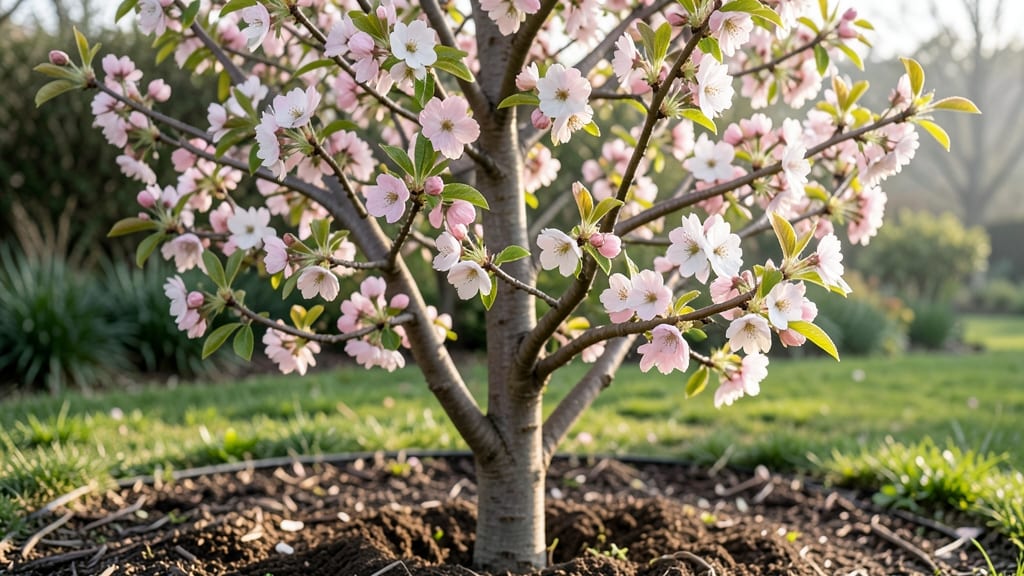
Peach tree bloom time in late spring marks a critical window that determines your harvest’s success 🍑 — and getting it wrong can mean no fruit at all.
Picture this: you’ve waited all year for juicy peaches, only to watch your tree’s blossoms freeze overnight. Or worse, they fade before pollinators even arrive. Timing isn’t just about patience—it’s about strategy, especially in USDA Zone 6a where frost lingers longer.
Bloom time varies by variety, but most peaches need 100-150 frost-free days to set fruit. In cooler zones, late bloomers might escape frost, while early varieties risk losing flowers to late cold snaps. The right care can shift that window by weeks.
Here’s how to predict your tree’s bloom schedule, adjust for your climate, and protect those delicate flowers—so you’re picking peaches by July or August instead of staring at empty branches.
Peach tree bloom time by USDA climate zones: exact months to expect flowers
Peach trees are one of the first signs of spring in many gardens, but their bloom time varies dramatically depending on your USDA hardiness zone.
In cooler zones like 4-6, blooms may arrive as early as late March, while warmer zones like 8-10 can see flowers as late as May. Understanding these timelines helps you prepare for frost protection and optimal pollination.
Timing isn't just about aesthetics—it directly impacts fruit set. Early bloomers in Zone 5 risk frost damage, while late bloomers in Zone 9 may miss peak pollinator activity. Let's break down the exact bloom windows by zone, including frost-sensitive periods that could threaten your harvest.
| USDA Zone | Early Varieties | Mid-Season Varieties | Late Varieties | Frost Risk Window |
|---|---|---|---|---|
| Zone 4 | Late May | Early June | Mid-June | April 15-May 15 |
| Zone 5 | Mid-April | Late April | Early May | March 20-April 10 |
| Zone 6 | Late March | Early April | Mid-April | March 1-March 25 |
| Zone 7 | Early March | Mid-March | Late March | February 15-March 10 |
| Zone 8 | Late February | Early March | Mid-March | January 20-February 10 |
| Zone 9 | January | February | Early March | December 15-January 15 |
| Zone 10 | December | January | February | November 15-December 10 |
In Zone 4, peach trees often bloom in late May or early June to avoid spring frosts. Varieties like Redhaven or Elberta are well-suited for these conditions, as they tolerate cooler temperatures better than southern varieties.
However, even late bloomers in Zone 4 face risks if unseasonable cold snaps occur.
For Zones 5-7, bloom time shifts to March and April, aligning with the last expected frost dates. Early bloomers like Suncrest or Flavor Grenade often emerge first, followed by mid-season varieties such as Relenta.
These zones require vigilance for late frosts, which can devastate blossoms before pollination occurs.
Warmer zones like 8-10 experience blooms as early as January or February, with some varieties like Redtop or Springcrest flowering even in December. The primary concern here isn't frost but rather heat stress during bloom, which can reduce pollinator activity and fruit set.
Choosing the right peach tree variety for your zone is critical. Early bloomers thrive in Zones 8-10, while mid-to-late varieties perform better in Zones 4-7.
For example, Halehaven is ideal for Zone 5, while O'Henry excels in Zone 9. Always check variety tags for specific bloom windows.
Frost protection is non-negotiable in cooler zones. Use row covers or tree wraps during high-risk periods, especially for early bloomers. In Zones 4-6, consider planting near a south-facing wall to absorb heat and delay frost formation.
Even a 5°F difference can mean the difference between a successful harvest and total crop loss.
Pollinators play a crucial role in fruit set. Bees are most active during warm, sunny days with temperatures above 55°F. If your tree blooms during cool or rainy periods, hand-pollination with a small brush may be necessary.
Planting companion flowers like dandelions or clover near your peach tree can attract additional pollinators.
Adjust your watering schedule based on bloom time. Trees in Zones 4-6 need deep watering
How to adjust care for early vs. late blooming peach trees
Peach trees can bloom anywhere from late winter to early spring, but their timing dramatically impacts your care routine. Early bloomers—like Elberta or Redhaven—often appear in March, while late varieties such as Flavorgrand may wait until April or May.
Understanding these differences helps you protect blossoms from frost and optimize growth.
Your watering schedule should shift based on bloom timing. Early bloomers need consistent moisture leading up to frost, while late bloomers benefit from reduced watering in late winter to prevent premature swelling. Both require deep root hydration during fruit set, but timing varies by variety.
Here’s how to adjust your care routine for each type:
Early Bloomers
✅ Pros:
- Longer growing season for fruit maturation
- Earlier harvests in warm climates
- Better pollination in mild winters
⚠️ Cons:
- Higher frost risk to blossoms
- More vigilant care needed pre-bloom
- Limited time to recover from late frosts
Late Bloomers
✅ Pros:
- Lower frost damage risk
- More time for root establishment
- Better suited for cooler climates
⚠️ Cons:
- Shorter harvest window
- Potential heat stress during bloom
- Less time for fruit to ripen fully
For early bloomers, prioritize frost protection like covering trees with frost cloth or setting up smoke generators to raise temperatures. Prune in late winter to remove weak branches before buds swell. Late bloomers, however, can handle delayed pruning until after the last frost, as their buds are less vulnerable.
Your pruning strategy should also adapt. Early bloomers need open-center shapes to improve airflow and reduce frost pockets, while late bloomers benefit from light pruning to avoid stressing the tree before bloom. Always use sterilized tools to prevent disease spread during both seasons.
In cooler climates, extend bloom periods by choosing late-season varieties or using row covers to trap heat. For early bloomers, mulch heavily in fall to insulate roots and water deeply before winter to prevent drought stress. Both approaches help synchronize bloom timing with your local climate for optimal fruit production.
Monitor your tree’s progress closely—adjusting care based on bloom timing can mean the difference between a failed harvest and a bountiful crop. With the right adjustments, you’ll enjoy peaches that ripen perfectly every season! 🌱