
Light Requirements
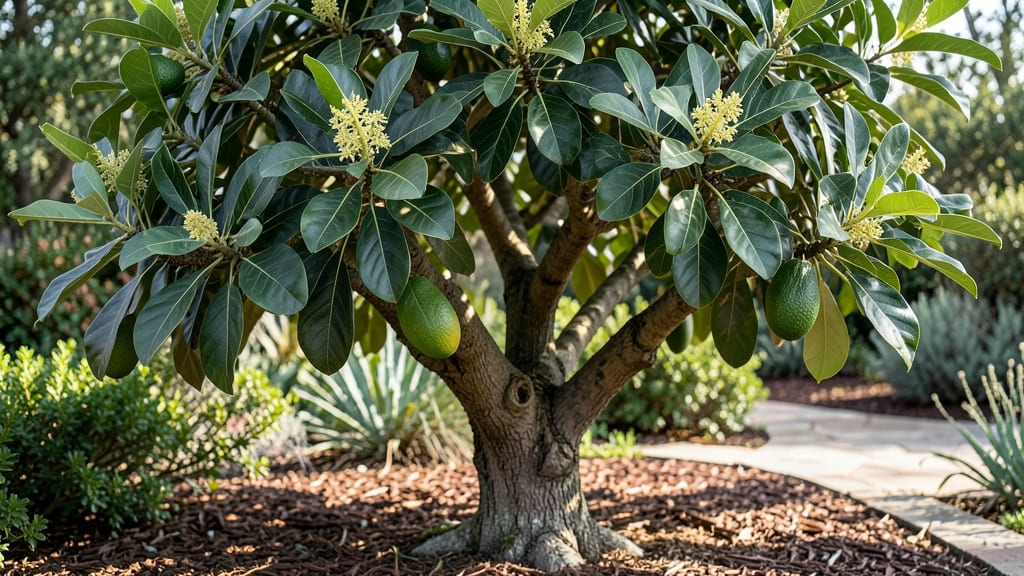
Your avocado tree’s sun requirements are the foundation of its health—6+ hours of direct sunlight daily keeps it thriving, while too little or too much can spell disaster for your 🥑.
Struggling to keep your avocado tree alive? Sunlight exposure is the #1 factor determining whether your tree thrives or withers—getting it wrong can mean the difference between lush leaves and leaf drop.
Avocado trees in Zone 9b or warmer crave full sun, but even in cooler climates, they need bright light to produce fruit. Without enough, growth stalls; too much can scorch tender leaves. I’ll show you how to balance it perfectly for your setup.
From positioning in containers to adjusting shade in summer, you’ll learn how to give your tree the ideal light—whether it’s basking outdoors or perched by a sunny window.


Optimal sunlight hours for avocado trees by growth stage
Avocado trees are sun-loving powerhouses that need intense light to thrive at every growth stage. Unlike shade-tolerant plants, they demand 6+ hours of direct sunlight daily, with mature trees requiring up to 8-10 hours for optimal fruit production.
Getting this wrong can stunt growth, cause leaf drop, or even kill your tree—so let’s break down exactly what each stage needs.
Sunlight isn’t just about hours—it’s about light intensity. Avocados thrive under bright, unfiltered sunlight, especially in their native tropical climates. In cooler regions, they still need full sun but may benefit from afternoon shade to prevent heat stress. The key is balancing photosynthesis efficiency with temperature regulation.
Growth stages dramatically change sunlight needs. A seedling in a nursery tray requires 4-6 hours of indirect light, while a mature 10-year-old tree in your backyard needs full sun exposure from dawn to dusk. Skipping this adjustment is a common mistake that leads to weak, leggy trees.
Seedlings are the most delicate stage, where light quality matters more than quantity. Place them near a south-facing window or under grow lights (12-16 hours/day) to mimic tropical conditions.
Direct midday sun can scorch young leaves, so use sheer curtains to diffuse harsh rays if needed. Think of this stage as sunlight boot camp—gradual exposure builds resilience.
Young trees (6 months to 3 years) need a balanced approach. They can handle 6-8 hours of direct sun, but afternoon shade helps prevent heat stress in hot climates like USDA Zone 9b or higher.
This is also when you should prune lower branches to improve light penetration to the canopy. Skipping this step can lead to a lopsided, weak tree with poor fruit production later.
Once your avocado tree hits mature size (3-10 years), it’s all about full sun exposure. Aim for 8-10 hours daily, with sunlight hitting the canopy from all angles. This is non-negotiable for fruit development—avocados need energy from photosynthesis to grow those creamy, nutrient-rich fruits.
If your tree isn’t getting enough light, it’ll focus on leaf growth instead of flowering and fruiting.
For fruiting trees (10+ years), the stakes are highest. These giants need 10+ hours of peak sunlight to sustain heavy fruit loads. In extreme heat (like 100°F+ days), provide afternoon shade to prevent leaf scorch, but never reduce morning sun—this is when photosynthesis is most efficient.
A well-lit mature tree can produce 50-100+ avocados per year if all conditions are met.
One common myth is that avocado trees can thrive in partial shade. While they tolerate 4-6 hours of shade in hot climates, this is a last-resort solution, not ideal care.
Shade reduces photosynthesis efficiency by up to 40%, leading to smaller leaves, fewer flowers, and poor fruit quality. If you’re in a shady yard, consider growing your tree in a container near a sunny patio instead.
Pro tip: Use a light meter (or your phone’s lux app) to measure sunlight intensity. Avocado trees need 10,000-20,000 lux of light for optimal growth. If your reading is below 5,000 lux, supplement with LED grow lights to bridge the gap.
This is especially critical for indoor avocado trees, where natural light is often insufficient.
Remember, sunlight isn’t just about growth—it’s about fruit quality. Trees with insufficient light produce smaller, less flavorful avocados, while those with too much direct sun may develop sunburned leaves
Signs your avocado tree isn’t getting enough (or too much) sun
Your avocado tree 🥑 is silently screaming for help if you’ve overlooked its sunlight needs. Unlike many houseplants, avocados demand 6+ hours of direct sun daily—any less, and you’ll see telltale signs of stress. The key is recognizing these symptoms early before they become irreversible.
I’ve learned the hard way that yellowing leaves or stunted growth often mean your tree is either starving for light or burning under too much heat.
First, check the leaf color. Healthy avocado leaves should be a deep, glossy green. If you notice pale yellow leaves (chlorosis) on newer growth, your tree isn’t getting enough sunlight. This happens because the tree can’t produce enough chlorophyll without adequate light.
On the flip side, brown or crispy leaf edges signal sunburn, especially in hot climates where afternoon sun becomes too intense.
Here’s the critical part: leaf drop is a red flag for both under- and overexposure. If your tree sheds leaves suddenly, inspect the light conditions immediately. Too little sun weakens the tree’s structure, while too much causes cellular damage.
Even worse, fruit drop often follows—your tree might flower but fail to set fruit if sunlight is inconsistent.
⚠️ Sunlight Stress Warning
Avocados thrive in full sun (6+ hours/day), but tolerance varies by climate. In hot zones (USDA 10+), provide morning sun + afternoon shade to prevent scorch. In cooler climates (USDA 9b), extend sunlight to 8+ hours for optimal growth. Indoor trees near windows need grow lights (12-14 hours/day) to compensate.
Don’t overlook the growth pattern either. A sun-deprived avocado tree grows tall and leggy, stretching toward any available light source. This “etoliation” weakens the stem and reduces fruit production. Meanwhile, a tree getting too much sun may develop small, thick leaves as a protective measure—almost like sunglasses for plants!
If you see this, move your tree to a slightly shadier spot or use a sheer curtain to filter harsh rays.
For container-grown avocados, rotate the pot every few weeks to ensure even light exposure. This prevents one side from becoming overly exposed while the other languishes in shade.
If your tree is outdoors, observe its shadow pattern at noon—if the shadow is shorter than the tree itself, it’s likely getting enough light. But if the tree is dwarfed by its own shadow, it’s time to relocate.
Act fast if you spot these signs. Adjusting sunlight exposure can reverse damage within weeks. Start by moving your tree to a sunnier spot (or adding grow lights for indoor trees) and monitor changes.
If sunburn is the issue, provide afternoon shade with a shade cloth (30-50% coverage). Remember, avocados are tropical trees—they crave light but need protection from extreme heat. Balance is everything!