
Featured
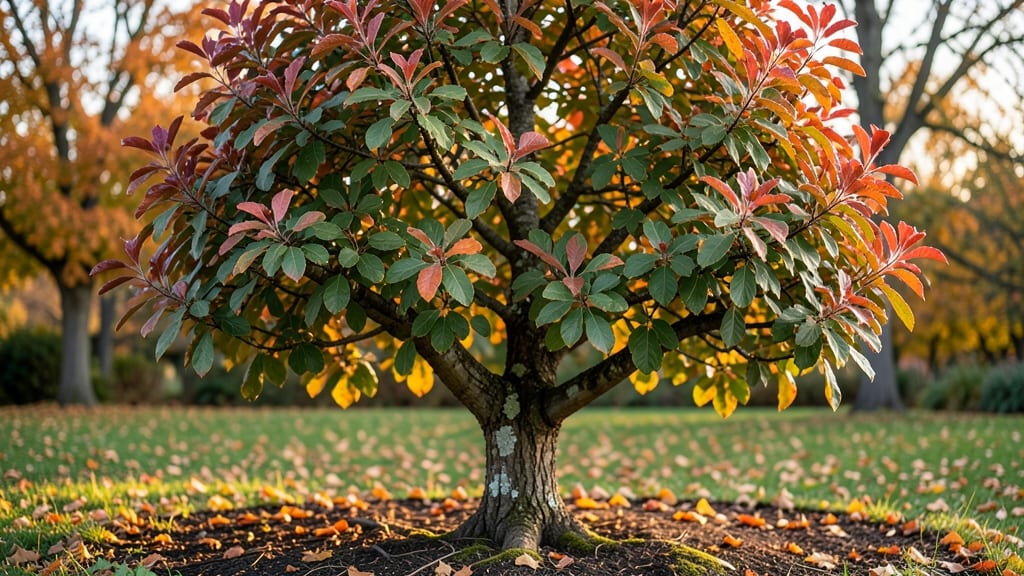
Your apple tree leaves turning red might look stunning, but it’s often a cry for help—not just autumn’s beauty. 🌿 I’ve seen this happen after drought, nutrient starvation, or even fungal infections that mimic seasonal color.
The key is figuring out which stressor is at play before the damage spreads deeper into the tree’s health.
Nitrogen deficiency and magnesium shortages both cause reddening, but they look different: nitrogen-starved leaves turn pale green with red edges, while magnesium shows up as interveinal red patches. Then there’s drought stress—when roots can’t keep up, leaves blanch and turn red from the edges inward.
Fungal diseases like apple scab or cedar rust add spotting and curling to the mix.
Here’s the good news: most of these issues are fixable. A soil test reveals nutrient gaps, a deep watering schedule combats drought, and copper fungicides tackle rust.
Pruning out infected branches early stops the spread. With the right approach, your tree can bounce back to vibrant green—and you’ll catch early signs next time.
Prevention is simpler than you think: regular mulching, balanced fertilization, and monitoring for pests keeps trees resilient. The red leaves you’re seeing now could be a one-time stressor—or a warning. Either way, addressing it now saves future headaches and keeps your harvest thriving.
Natural Triggers Behind Reddening Leaves
When your apple tree’s leaves blush with red hues, it’s rarely a sign of distress—it’s often nature’s way of putting on a stunning show. But why does this happen?
The answer lies in a mix of biology, genetics, and environmental cues. Let’s break down the science behind those fiery foliage transformations.
Most of the red color in apple tree leaves comes from anthocyanins, water-soluble pigments that act like sunscreen for plants. Here’s how it works:
- Sunlight exposure: Bright, direct sunlight triggers anthocyanin production. These pigments absorb harmful UV rays, protecting the leaf’s delicate cells—especially in late summer or early fall when sunlight is intense.
- Nutrient stress (good kind!):strong> When soil nutrients like nitrogen dip, the tree shifts resources to produce anthocyanins instead of chlorophyll (the green pigment). This is common in well-drained, slightly nutrient-poor soils.
- Temperature swings: Cool nights followed by warm days (a classic fall pattern) boost anthocyanin synthesis. Think of it as the tree’s way of preparing for winter dormancy.
💡 Pro Tip: If your tree’s red leaves appear only in certain spots (like sunlit branches), it’s likely anthocyanin at work—not disease. Embrace the natural process!
Temperature and daylight length are the directors of this seasonal performance. Here’s how they influence the reddening:
| Factor | Effect on Leaves | Why It Matters |
|---|---|---|
| Cooler nights (<60°F/15°C) | Slows chlorophyll production | The green pigment breaks down faster, revealing red/yellow hues underneath. |
| Shortened daylight (fall) | Triggers dormancy hormones | The tree conserves energy, redirecting nutrients to anthocyanins for protection. |
| Frost exposure (early winter) | Can accelerate reddening | Cold damages cell walls, releasing sugars that fuel pigment production. |
✨ Fun Fact: Some apple varieties (like ‘Red Delicious’ or ‘Gala’) are bred to produce more anthocyanins year-round, which is why their leaves stay redder longer!
Not all apple trees stage a red leaf show—it depends on their genetics. Here’s what makes some trees more dramatic than others:
- Cultivar selection: Certain varieties (e.g., ‘Jonathan’, ‘Cortland’) are genetically predisposed to high anthocyanin levels. Check your tree’s label or consult a local nursery.
- Hybrid vigor: Crossbreeding wild apples with cultivated ones can amplify red pigmentation, making hybrid trees more likely to blush.
- Rootstock influence: The underground roots (rootstock) can also affect leaf color. Dwarfing rootstocks, for example, may produce trees with more intense fall foliage.
🎯 Actionable Tip: If you love red leaves, plant Malus × robusta (ornamental crabapples) or varieties like ‘Royalty’—they’re bred for vibrant autumn color and fruit!
While these processes are natural, abrupt or patchy reddening (especially with wilting or spots) could signal stress or disease. Stay tuned for our next section on how to tell healthy red from trouble signs.
Revive Your Apple Tree’s Vibrancy
Watching your apple tree’s leaves blush red can be a stunning sight—but if it’s unexpected or excessive, it might signal stress. The good news? Most causes have simple fixes.
Below, we’ll break down the most common reasons for reddening leaves and how to restore your tree’s health with easy, actionable steps. Prevention tips are included to keep your apple tree thriving for years to come.
If your apple tree’s leaves are turning red due to a lack of essential nutrients, it’s time to feed it properly. The most common culprits are nitrogen, phosphorus, or micronutrient imbalances.
🔥 Step 1: Test Your Soil
Before grabbing any fertilizer, check your soil’s pH and nutrient levels. A simple DIY soil test kit (or a lab test for accuracy) will reveal deficiencies. Apple trees prefer slightly acidic soil (pH 6.0–6.5).
🍳 Step 2: Apply the Right Fertilizer
Use a balanced, slow-release fertilizer (like 10-10-10) in early spring. For nitrogen deficiency (yellowing leaves with red edges), opt for a high-nitrogen formula. For phosphorus deficiency (dark red/purple leaves), choose a phosphorus-rich fertilizer (e.g., bone meal).
Pro Tip: 💡 Organic options like compost, worm castings, or fish emulsion work well too!
👨🍳 Step 3: Micronutrient Boost (If Needed)
For iron or magnesium deficiencies (common in alkaline soils), apply chelated iron or Epsom salt (magnesium sulfate) every 4–6 weeks. Follow package instructions carefully.
🌱 Prevention Tips
- 🌡️ Mulch properly: Spread 2–4 inches of organic mulch (wood chips, straw) around the base to retain moisture and nutrients.
- 🎯 Fertilize in stages: Apply half the recommended dose in early spring and the rest in late summer to avoid overloading.
- ✨ Monitor regularly: Check leaves monthly—early intervention prevents severe stress.
Too much or too little water can cause leaves to turn red, especially in drought-prone areas or after heavy rain. Apple trees need consistent moisture to thrive.
🔥 Step 1: Check the Soil Moisture
Stick your finger 2–3 inches into the soil. If it’s dry, it’s time to water. If it’s soggy, hold off to prevent root rot.
🍳 Step 2: Deep Watering Technique
Water deeply 1–2 times per week (more in extreme heat). Use a soaker hose or drip irrigation to deliver water slowly to the root zone. Avoid overhead sprinklers, which can promote fungal diseases.
👨🍳 Step 3: Improve Drainage (If Needed)
If your soil is clay-heavy and waterlogged, amend it with compost or sand to improve drainage. Raised beds also help in poorly draining areas.
🌱 Prevention Tips
- 💡 Mulch heavily: Mulch retains moisture and regulates soil temperature.
- 🌡️ Water in the morning: Reduces evaporation and fungal risks.
- ✨ Group plants together: Creates a microclimate that retains humidity.
Extreme heat, cold snaps, or strong winds can cause leaves to redden as a protective response. While you can’t control the weather, you can minimize damage.
🔥 Step 1: Protect from Late Frost
If reddening occurs in spring, it may be frost damage. Cover young trees with frost cloth or use string lights to generate heat on chilly nights.
🍳 Step 2: Provide Shade in Summer
For heat stress, temporarily shade young trees with shade cloth (30–50%) during peak afternoon sun. Mature trees benefit from dappled shade from nearby structures or taller trees.
👨🍳 Step 3: Windbreaks for Young Trees
Plant windbreaks (like evergreens or tall shrubs) on the north and west sides of your apple tree to reduce wind damage. A simple burlap barrier can also help.
🌱 Prevention Tips
- 🌡️ Choose the right variety: Some apple trees (e.g., ‘Liberty’ or ‘Enterprise’) are more cold-hardy.
- 💡 Water deeply before heatwaves: Helps roots absorb moisture for longer.
- ✨ Prune for airflow: Remove dense branches to improve air circulation.
Red leaves can also signal an underlying pest or disease issue. Act fast to prevent spread.
🔥 Step 1: Identify the Culprit
Common offenders include:
- Spider mites: Tiny webs on leaves, red speckling.
- Aphids: Curled, sticky (honeydew-covered) leaves.
- Fire blight (bacterial): Red, wilted leaves with blackened edges.
- Apple scab (fungal): Yellow spots turning red/purple.
🍳 Step 2: Treat Accordingly
For pests: Spray with neem oil or insecticidal soap (follow label instructions). Repeat every 7–10 days.
For fire blight: Prune infected branches 6 inches below the damage and sterilize tools with rubbing alcohol. Apply copper fungicide as a preventative.
For apple scab: Use a fungicide (e.g., copper or sulfur-based) before bud break in spring.
👨🍳 Step 3: Promote Tree Health
A healthy tree resists pests better. Ensure proper pruning, watering, and fertilization to build resilience.
🌱 Prevention Tips
- 💡 Monitor regularly: Check leaves weekly during growing season.
- 🌡️ Clean up debris: Remove fallen leaves to reduce fungal spores.
- ✨ Encourage beneficial insects: Ladybugs and lacewings prey on pests naturally.
With these targeted solutions, your apple tree should bounce back—and those red leaves may just be nature’s way of putting on a stunning fall show. 🍁🌿 Keep an eye on it, and your tree will reward you with lush green (or vibrant red!) foliage for seasons to come.
Frequently asked questions
Are red leaves on my apple tree always a bad sign?
Not necessarily! Many apple varieties naturally produce red or purple leaves due to anthocyanins, especially in cool weather or bright sunlight. If the leaves are otherwise healthy (no wilting, spots, or curling), it’s likely just seasonal pigmentation. Check if the red appears evenly or only on sun-exposed branches.
What’s the difference between red leaves from stress and natural fall color?
Natural reddening happens gradually across the whole tree, while stress-related red often appears patchy or uneven. Look for these clues: drought stress causes red edges that spread inward, nutrient deficiency shows as red between veins, and disease adds spots or curling. Fall color starts at the top and moves downward.
Can I prune branches with red leaves to fix the problem?
Only if the red leaves show signs of disease or pest damage. Remove entire branches 6 inches below infected areas and sterilize tools with rubbing alcohol. For natural red leaves, pruning won’t help—focus on soil health or watering instead. Never prune healthy branches just because they’re red!
Will red leaves affect my apple harvest?
Usually not! Red leaves are rarely a sign of severe stress that impacts fruit production. However, if the redness comes from nutrient deficiencies (like nitrogen or magnesium) or disease, the tree’s overall health could weaken—potentially reducing fruit quality or quantity. Address the root cause to keep harvests thriving.
How can I encourage more red leaves for fall color?
Plant cultivars bred for vibrant foliage, like ‘Royalty’ or ‘Jonathan’ apple trees. Ensure your tree gets full sun and slightly acidic soil (pH 6.0–6.5)**—these conditions boost anthocyanin production. Avoid over-fertilizing with nitrogen, which can dull the red hues.