
Pruning
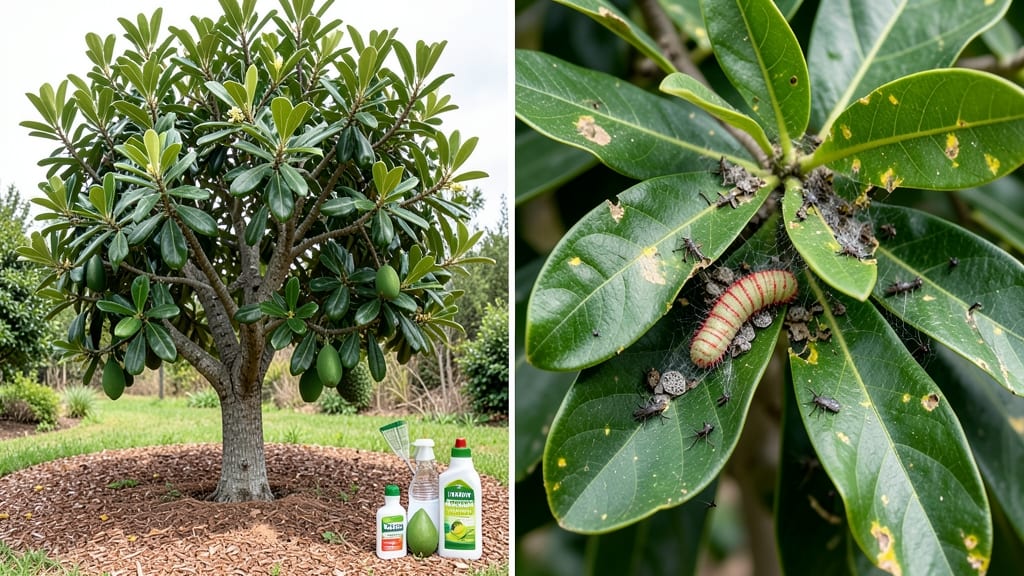
Your avocado tree’s healthy foliage depends on spotting pests early—before they turn glossy leaves into skeletonized messes. 🌿 I’ve battled mites, scale, and lace bugs on my tree, and the key is knowing what to look for (tiny webs, sticky residue, or silvery spots) before damage spreads.
The worst offenders—like avocado lace bugs—suck sap and trigger yellowing leaves, while spider mites create fine webbing between branches. Most damage happens in hot, dry seasons, so I check undersides of leaves weekly during spring and summer when pests are most active.
With the right organic sprays (neem oil, insecticidal soap) and preventive pruning, you can keep your tree thriving. I’ll show you exactly how to identify each pest and which treatments work best—no harsh chemicals needed. This works for both container and in-ground trees, no matter your climate zone.
Let’s get that foliage back to its lush best!
Why it happens
Avocado trees, with their lush foliage and nutrient-rich fruit, are a magnet for pests—but why do these critters target them so aggressively? The answer lies in a mix of ecological factors, tree health, and environmental conditions that create the perfect storm for infestations.
Understanding these triggers can help you take proactive steps to protect your tree before problems escalate. Let’s break down the key reasons pests invade avocado trees and how they exploit weaknesses in your orchard.
Just like humans, avocado trees rely on a strong immune system to fend off invaders. When trees are stressed—whether from nutrient deficiencies, drought, overwatering, or disease—their defenses weaken, making them prime targets for pests. Here’s how it happens:
- Nitrogen Deficiency: Avocados need nitrogen for robust growth, but a lack of it leads to stunted leaves and stems, which attract sap-sucking insects like avocado lace bugs or spider mites. These pests thrive on compromised plant sap, which becomes easier to access when cells are damaged.
- Water Stress: Both underwatering and overwatering disrupt root function. Drought-stressed trees produce resinous sap, a sticky substance that lures scale insects and mealybugs. Meanwhile, waterlogged roots create anaerobic conditions, attracting fungal pathogens that weaken the tree further, inviting borers like the avocado bark borer.
- Fungal or Bacterial Infections: Diseases like root rot or anthracnose create entry points for pests. For example, Phytophthora fungus decays roots, making trees vulnerable to avocado thrips, which feed on weakened foliage.
💡 Pro Tip: Conduct a soil test every 2–3 years to monitor nutrient levels. Use balanced fertilizers (like 6-6-6 NPK) and mulch to retain moisture without suffocating roots.
Pests don’t just appear out of nowhere—they’re drawn to environments that support their lifecycle. Avocado orchards often provide the perfect conditions due to their warm climates, dense foliage, and year-round growth. Here’s how the environment becomes a pest magnet:
Environmental Factor
How It Attracts Pests
Common Culprits
High Humidity
Moisture-laden air speeds up fungal growth and softens plant tissues, making them easier for pests to penetrate.
Avocado lace bugs, whiteflies, root-knot nematodes
Warm Temperatures (75–90°F)
Accelerates pest reproduction cycles. Many insects lay eggs in spring/summer when temps rise.
Avocado bark borer, mealybugs, thrips
Dense Canopy
Provides shelter and breeding grounds. Shady, humid microclimates under thick foliage protect pests from predators and sprays.
Spider mites, scale insects, avocado weevils
Organic Debris (Leaves, Fruit Fall)
Decaying matter harbors fungal spores and pest larvae, creating a reservoir for reinfestation.
Fruit flies, earwigs, slugs
🌡️ Actionable Fix: Improve airflow with pruning to reduce humidity in the canopy. Remove fallen fruit and leaves within 3–5 feet of the trunk to disrupt pest life cycles.
In a healthy ecosystem, pests are kept in check by beneficial insects, birds, and microorganisms. However, human interventions—like overuse of broad-spectrum pesticides, monoculture farming, or urbanization—can disrupt this balance, leading to pest explosions. Here’s how:
- Pesticide Overuse: Chemicals like neonicotinoids or organophosphates kill not only pests but also their natural predators (e.g., ladybugs, lacewings, and parasitic wasps). Without these allies, pest populations surge unchecked.
- Monoculture Planting: Growing only avocado trees removes diversity, which limits the availability of alternative food sources for predators. Pests like avocado mites have no competition for hosts.
- Urban Sprawl: As wild habitats shrink, invasive species (e.g., Asian citrus psyllids) spread into orchards with no natural controls.
✨ Eco-Friendly Solution: Introduce pollinator-friendly plants (like marigolds or basil) around your avocado tree to attract predatory insects. Use targeted sprays (e.g., horticultural oil) during early evening to minimize harm to beneficial species.
Quick Fixes for Common Avocado Tree Pests
Avocado trees are prized for their lush foliage and delicious fruit, but pests can quickly turn your thriving tree into a struggling one. The good news? Most issues have simple, natural solutions that don’t require harsh chemicals.
Below, we’ll break down pest-specific fixes, from immediate action steps to long-term prevention—so you can restore your tree’s health fast.
Signs: Wilted leaves, chewed roots, or adult weevils crawling at night.
How to Fix It: 🔥 Handpick adults at dusk when they’re most active—drop them in soapy water. 🍳 Apply diatomaceous earth (food-grade) around the base—it’s a natural abrasive that kills grubs. 👨🍳 Encourage beneficial nematodes (Steinernema carpocapsae)—they hunt grubs in the soil. ⏰ Replant with nematode-treated soil if roots are severely damaged.
Prevention Tip: 💡 Mulch with crushed eggshells or wood ash—weevils dislike the texture!
Signs: Sticky residue (honeydew), white/brown bumps on leaves or bark.
How to Fix It: 🔪 Scrape off scales with a stiff brush dipped in neem oil or rubbing alcohol. 🥘 Spray with insecticidal soap (1 tbsp per quart of water) every 5–7 days until gone. 🌡️ Introduce ladybugs or parasitic wasps—they’re scale insect predators!
Prevention Tip: ✨ Prune infected branches immediately to stop spread.
Signs: Cottony white clusters, curled leaves, or ants (they farm mealybugs!).
How to Fix It: 🔥 Wipe infested areas with a 70% alcohol-soaked cotton swab. 🍳 Use a homemade spray: 1 tsp dish soap + 1 quart water—spray directly on bugs. 👨🍳 Set up yellow sticky traps to catch flying adults.
Prevention Tip: 🎯 Keep ants away—they protect mealybugs! Sprinkle diatomaceous earth near the trunk.
Signs: Fine webbing, speckled yellow leaves, or tiny red/orange mites.
How to Fix It: 💦 Blast mites off with a strong spray of water (disrupts their webs). 🥘 Spray with neem oil (1 tbsp per gallon of water) every 3–4 days. 🌡️ Increase humidity—mites thrive in dry conditions (mist leaves or use a shade cloth).
Prevention Tip: 💡 Install a mist irrigation system to keep foliage damp naturally.
Signs: Holes in fruit, sawdust-like frass, or wilting branches.
How to Fix It: 🍎 Pick and destroy infested fruit immediately—don’t compost! 🔪 Prune damaged branches 6 inches below the entry hole. 🕯️ Set up pheromone traps (available at garden centers) to catch adults.
Prevention Tip: ✨ Apply kaolin clay (food-grade) to fruit—it repels borers!
Want to keep pests away long-term?
Follow these easy habits: - Inspect weekly for early signs (🔍 flip leaves, check bark). - Encourage natural predators (ladybugs, lacewings, birds). - Avoid over-fertilizing—weak trees attract pests. - Prune for airflow—crowded branches trap moisture and bugs. - Rotate natural sprays (neem, insecticidal soap, horticultural oil) to prevent resistance.
Pro Tip: 🌿 Healthy trees resist pests! Ensure your avocado gets: ✅ Full sun (6+ hours daily) ✅ Well-draining soil (mix in compost) ✅ Regular watering (deep but infrequent)
With these targeted fixes, your avocado tree will bounce back—pest-free and productive** in no time! 🚀
Frequently asked questions
What are the most common signs of avocado tree pests?
Look for sticky residue (honeydew) on leaves, tiny webs between branches, or speckled yellowing on foliage. Avocado lace bugs leave silvery spots, while spider mites create fine webbing. Check undersides of leaves—pests often hide there!
Can I use neem oil on all avocado tree pests?
Neem oil works well against scale insects, mealybugs, and mite infestations, but it’s less effective on avocado weevils or borers. For weevils, combine neem with diatomaceous earth or beneficial nematodes for better results.
How often should I inspect my avocado tree for pests?
Check your tree weekly during spring and summer (peak pest season) and monthly in fall/winter. Focus on new growth, undersides of leaves, and bark crevices—early detection makes treatments much easier!
Will pruning help prevent avocado tree pests?
Prune to improve airflow and remove crowded branches, which reduces humidity and pest hiding spots. Trim 10-15% of the canopy annually, focusing on dead or diseased branches first.
Are there any natural predators that help control avocado pests?
Yes! Ladybugs, lacewings, and parasitic wasps prey on mites, mealybugs, and scale. Plant marigolds or basil nearby to attract these helpful insects—no chemicals needed!