
Pests and Diseases
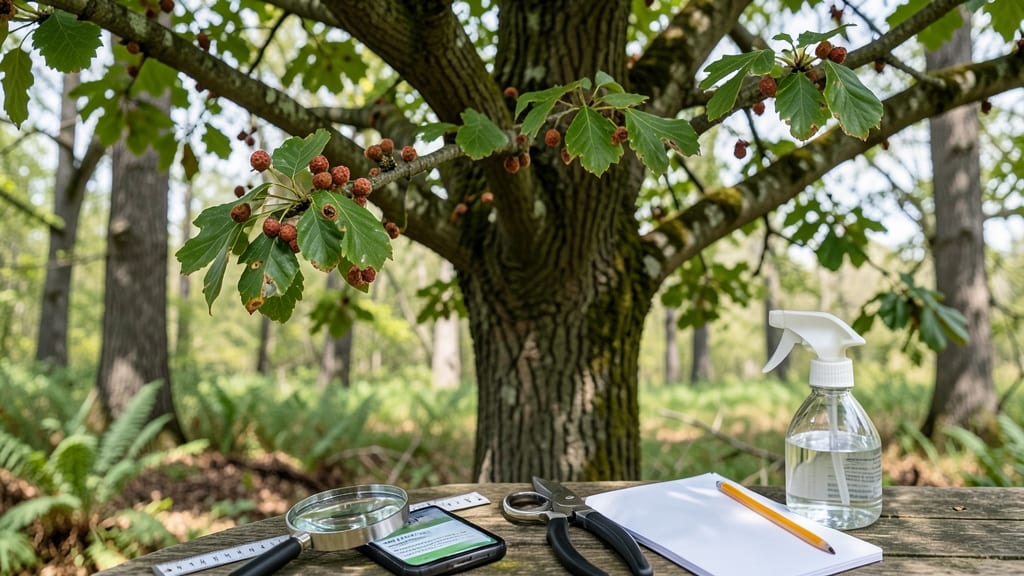
Seeing those tiny red bumps on your tree leaves? 🌿 That’s your first warning sign of a fungal infection or pest infestation that could spread fast if ignored. I’ve dealt with this on my oak tree—what started as a few spots turned into a full-blown problem within weeks.
The good news? Most cases are treatable with the right approach, and early action makes all the difference.
These bumps could be anything from rust fungus (bright orange pustules) to galls (swollen growths from mites or wasps) or even scale insects hiding under crusty red shells. The key is checking the leaf undersides and comparing the bumps to trusted images of spider mite damage or fungal spots.
Rust, for example, often appears on the undersides first, while galls stay on the surface like little bumps.
Once you’ve identified the culprit, you’ll need to act fast—prune infected branches, apply neem oil or copper fungicide, and keep your tree’s environment healthy. I’ve found that consistent monitoring (once a week) prevents small issues from becoming a full-blown crisis.
The goal? Stop the spread before it weakens your tree’s overall health.
This works for most common trees—oaks, maples, and fruit trees—but always double-check which pests or diseases target your specific species. Prevention is easier than cleanup, so let’s get your tree back to thriving before the bumps spread further.
Root Causes Behind Leaf Bumps
When you spot red bumps or discolored spots on tree leaves, it’s often a sign of stress or infection—but not always. These tiny raised patches can appear due to a mix of environmental, biological, or mechanical factors.
Understanding the why behind them is the first step to treating the issue effectively. Below, we break down the most common culprits, from fungal invaders to physical damage, with clear explanations and actionable insights.
Fungi are the most frequent cause of red bumps on leaves, often appearing as rust-colored pustules or powdery growths. These pathogens thrive in damp conditions and can weaken trees over time if left unchecked.
🔍 Common Fungal Culprits
- Rust Fungi (e.g., Puccinia spp.): These fungi create orange-red pustules on the undersides of leaves, often in clusters. They spread via windborne spores and can jump between different plant species (e.g., from junipers to oaks).
- Anthracnose (Colletotrichum spp.): Causes dark, sunken lesions with red or purple margins, often appearing after wet springs. Common in shade trees like maples and dogwoods.
- Leaf Spot Fungi (e.g., Cercospora, Septoria): Produces tiny red or brown spots with raised edges, sometimes with a white or gray center. These fungi thrive in humid, stagnant air.
💡 Why It Happens: The Science Behind the Spread
Fungal spores germinate when leaves stay wet for 12+ hours (e.g., after rain or overhead watering). Once established, they:
- ✔️ Penetrate leaf tissue through natural openings (stomata) or wounds.
- ✔️ Disrupt photosynthesis by clogging pores with mycelium (fungal threads).
- ✔️ Trigger plant defenses, leading to reddening or necrosis (dead tissue) as the tree “walls off” the infection.
🚨 Red Flags for Fungal Issues
Look for:
- ❌ Pustules that release rust-colored spores when crushed.
- ❌ Yellow halos around red spots (a sign of active decay).
- ❌ Premature leaf drop or stunted growth in spring.
Not all red bumps are fungal—some are the result of insect feeding or egg-laying. These pests rarely kill trees outright but can stress them enough to invite secondary infections.
🐜 Common Pests to Watch For
| Insect | Bump Appearance | Leaf Damage |
|---|---|---|
| Spider Mites | Tiny red or yellow stippling (like pepper sprinkles) on upper leaf surfaces. | Fine webbing on undersides; leaves turn bronze or dry out. |
| Leafhoppers | Small red or black specks (frass/droppings) around feeding sites. | Curled or puckered leaves; sticky honeydew residue. |
| Scale Insects | Raised brown or red bumps (like tiny shells) on stems/leaves. | Sticky sap (aphid-like); yellowing leaves if severe. |
| Japanese Beetles | Irregular skeletonized patches with red-brown frass. | Leaves look “chewed” with only veins remaining. |
🔬 Why Insects Cause Red Bumps
Insects create these marks through:
- ✔️ Feeding: Mites and beetles pierce cells, causing oxidative stress (reddening) as the plant’s defenses react.
- ✔️ Egg-laying: Some pests (like spider mites) inject toxins to prevent leaf healing, leading to permanent discoloration.
- ✔️ Saliva enzymes: Break down chlorophyll, exposing red pigments (anthocyanins) beneath green layers.
🕵️♂️ How to Tell Insects Apart from Fungi
Check for:
- ✅ Moving pests (use a magnifying glass to spot mites or beetles).
- ✅ Sticky residue (honeydew) on leaves or car hoods below.
- ✅ Webbing or frass (tiny black dots) on leaf undersides.
Extreme temperatures—whether too hot, too cold, or sudden shifts—can trigger red bumps or necrotic spots as a survival response. Unlike fungal or insect damage, these issues are physical, not infectious.
🔥 Heat Stress & Sun Scald
When leaves absorb too much sunlight (e.g., after pruning or drought), they develop:
- ✔️ Red or brown raised patches on edges or between veins.
- ✔️ Crispy, papery texture (like a sunburn blister).
Why it happens: High temperatures denature proteins in leaf cells, causing them to clump and turn red as the tree sacrifices damaged tissue to protect the rest.
❄️ Cold Damage & Frost Bite
Freezing temps can create:
- ✔️ Red or purple bumps along leaf margins (similar to “scorch”).
- ✔️ Blackened veins with a raised, water-soaked look.
Why it happens: Ice crystals rupture cell walls, triggering oxidative damage. The tree responds by producing anthocyanins (red pigments) to shield remaining cells from light.
💧 Water-Related Stress
Overwatering or poor drainage can lead to:
- ✔️ Red, spongy bumps (a sign of anaerobic stress—roots drowning).
- ✔️ Yellow halos around spots (from root rot toxins moving upward).
🌡️ Quick Stress Test
Suspect environmental damage if:
- ✅ Bumps appear suddenly after a heatwave or freeze.
- ✅ Only young or sun-exposed leaves are affected.
- ✅ No spores, webbing, or pests are visible.
- 🔥 Prune Infected Leaves
- Use sterilized pruners (wipe with rubbing alcohol) to remove and dispose of heavily spotted leaves in the trash (not compost). This stops spores from spreading.
- Focus on lower branches first, where humidity traps moisture.
- 💦 Improve Airflow & Reduce Moisture
- Thin out dense foliage to let sunlight and air circulate.
- Water at the base (not overhead) and early in the day so leaves dry quickly.
- 🧴 Apply Fungicide - Organic option: Mix 1 tbsp baking soda + 1 tsp dish soap + 1 gallon water in a spray bottle.
- 🌡️ Adjust Care for Prevention
- Avoid overhead irrigation (drip systems or soaker hoses work best).
- Mulch properly (2–4 inches of organic mulch) to regulate soil moisture.
- Clean up debris in fall—burn or bag fallen leaves to destroy overwintering spores.
- 👨🍳 Blast Off Pests with Water
- Strong spray: Use a hose nozzle to blast aphids and mites off leaves (do this early morning).
- Soapy water spray: Mix 1 tsp mild dish soap + 1 quart water and spray directly on pests (reapply every 5–7 days).
- 🔪 Introduce Natural Predators
- Ladybugs (eat aphids), lacewings (devour mites), or parasitic wasps (target gall wasps). Buy them online or attract them with native plants like dill or fennel.
- 🍯 Use Horticultural Oils or Insecticidal Soap
- Neem oil (1 tsp/quart water) or horticultural oil (apply when temps are above 50°F).
- Spray undersides of leaves where pests hide.
- 🪲 Remove Severe Infestations
- For scale insects or gall wasps, scrape them off with a plastic scraper (avoid damaging bark).
- Burn or bag heavily infested branches if needed.
- 🌳 Provide Shade Temporarily
- Use shade cloth (30–50% coverage) if your tree is suddenly exposed to harsh sun.
- Mulch heavily (3–4 inches) to insulate roots.
- 💦 Hydrate Deeply & Often
- Water slowly (1–2 inches per week) at the root zone, not the leaves.
- Mulch volcanoes are bad—keep mulch 2–3 inches away from the trunk.
- 🎯 Adjust Plant Placement
- If possible, move potted trees to a slightly shadier spot.
- Young trees benefit from windbreaks (burlap screens or evergreen hedges).
- 🌿 Boost Tree Resilience
- Fertilize lightly with a balanced, slow-release fertilizer (10-10-10) in early spring.
- Avoid pruning during heatwaves—wait until cooler months.
- 🌡️ Monitor humidity: Use a hygrometer—ideal leaf health thrives at 40–60% humidity.
- ✨ Inspect regularly: Check leaves weekly (especially undersides) for early signs.
- 🔄 Rotate treatments: If using chemicals, alternate types (e.g., neem oil one week, copper fungicide the next) to prevent resistance.
- 🌱 Choose resistant varieties: If a tree is prone to bumps, swap it for a disease-resistant cultivar (ask your local nursery).
Quick Fixes for Leaf Bumps & Spots
Once you’ve identified the cause of those pesky red bumps on your tree leaves—whether it’s fungal infections, insect damage, or environmental stress—it’s time to take action. Below, we’ve mapped out practical, step-by-step solutions tailored to each culprit, plus prevention tips to keep your trees healthy long-term.
✅ Fix It:
Test on a small leaf first. - Chemical option: Use a copper-based fungicide (like Bordeaux mixture) or a neem oil solution (1 tsp neem oil + 1 quart water + a drop of soap).
✅ Fix It:
✅ Fix It:
⚠️ When to Call a Pro: If bumps spread rapidly, leaves yellow or drop massively, or the tree shows cankers or oozing sap, consult an arborist—some issues (like bacterial infections) need systemic treatments.
By acting fast and adjusting care habits, you’ll help your trees bounce back healthier—and keep those leaves bump-free for seasons to come! 🌿💚
Frequently asked questions
Are red bumps on tree leaves always a sign of disease?
Not necessarily! While fungal infections like rust or anthracnose often cause red bumps, they can also result from insect activity (like spider mites or scale insects) or environmental stress (heat scorch or frost damage). Always check for other signs—like webbing, honeydew, or yellowing—to narrow down the cause.
Can I use household items to treat red bumps on leaves?
Yes! For mild fungal issues, a mix of 1 tbsp baking soda + 1 tsp dish soap + 1 gallon water works as a natural fungicide. For pests, try a soapy water spray (1 tsp mild soap per quart of water). Always test on a small leaf first and reapply every 5-7 days for best results.
How do I know if the bumps are spreading or just getting worse?
Take photos weekly to track changes. If the bumps increase in size or number within 7-10 days, the issue is likely spreading. Look for new symptoms like leaf drop, sticky residue (honeydew), or spore dust—these indicate active infection or infestation.
Will pruning infected leaves help stop the spread?
Prune and dispose of infected leaves in the trash (not compost) to prevent spores from overwintering. Focus on lower branches first, where humidity is highest. Sterilize your pruners with rubbing alcohol between cuts to avoid cross-contamination.
Are some trees more prone to red bumps than others?
Certain species are more susceptible—oaks, maples, and fruit trees often develop fungal spots, while pine trees may show red bumps from spider mites. If your tree has a history of issues, consider disease-resistant cultivars or proactive treatments like neem oil sprays in early spring.